


Deep Dive
来自我们记者的行业洞察

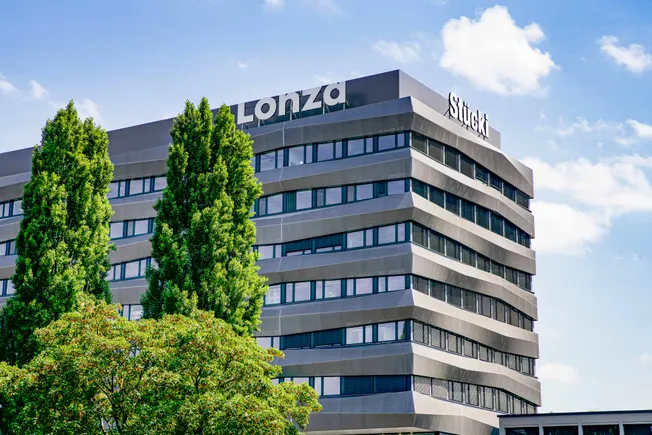
Progress has been made in COVID-19 vaccine development, but global production capacity is concentrated in a few wealthy countries, sparking concerns about 'vaccine nationalism.' Companies like Moderna and Pfizer have pledged to expand supply, the US government insists on putting its own country first, and international organizations call for multilateral coordination. This article analyzes production capacity distribution, political maneuvering, and distribution challenges, pointing out that equitable vaccine access still requires international cooperation.

Over the past 18 months, scientists, pharmaceutical companies, and governments have advanced COVID-19 vaccine development and production at an unprecedented pace. This article reviews the progress, efficacy data, and supply landscape of major global candidate vaccines as of November 24, 2021.

In the past few years, biotech startups have enjoyed the best period for venture capital. However, the outbreak of the COVID-19 pandemic has brought new uncertainties to investors and investment directions. This article explores how the pandemic has affected the venture capital landscape in the biotech sector.
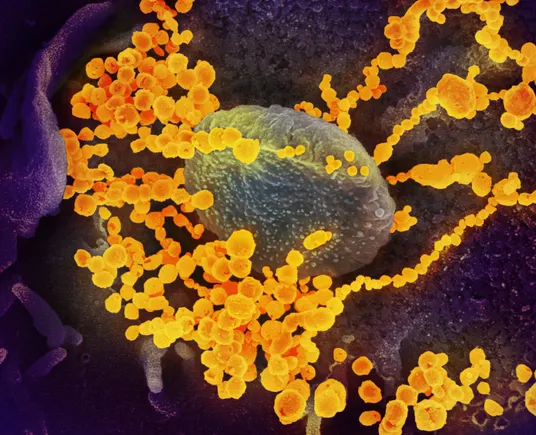
Although vaccines are seen as the ultimate means to end the COVID-19 pandemic, their development and distribution still require time. Multiple biopharmaceutical companies are accelerating the development of monoclonal antibody drugs, aiming to provide short-term protection or treatment options before vaccines are launched. This article reviews the development strategies, potential application scenarios, and challenges faced by companies such as Regeneron, Eli Lilly, Amgen, and Vir.
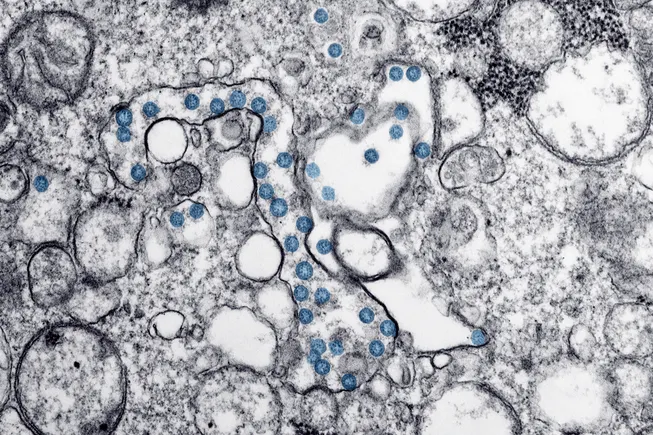
Anthony Fauci, a top U.S. infectious disease expert, said a COVID-19 vaccine could be available within 12 to 18 months. However, experts point out that even with rapid approval, achieving herd immunity will still take years, involving multiple challenges such as production capacity, distribution, and biological uncertainties.
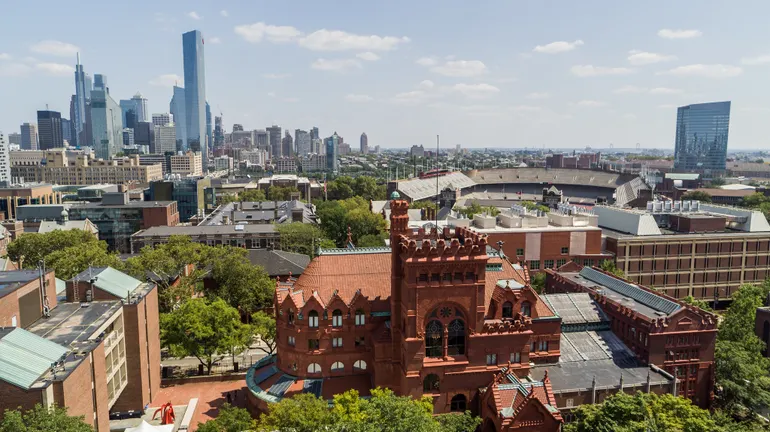
Because big pharma was skeptical of gene therapy a decade ago, academic institutions such as the University of Pennsylvania and Nationwide Children's Hospital had to advance experimental programs to later stages before transferring them to biopharmaceutical companies. This shift led university technology transfer offices to engage deeply in the technical and commercial details of preclinical drug development, spawning startups like AveXis and Spark Therapeutics, which were ultimately acquired at high prices by large pharmaceutical companies. Recent research shows that among 341 active gene therapy trials in 2019, hospitals, universities, and the U.S. National Institutes of Health funded 206.

Over the past decade, large pharmaceutical companies have withdrawn from the neuroscience field, but recent advances such as gene therapy may attract them back. Industry executives and analysts expect that a new golden age of brain drug R&D could emerge within the next five years.
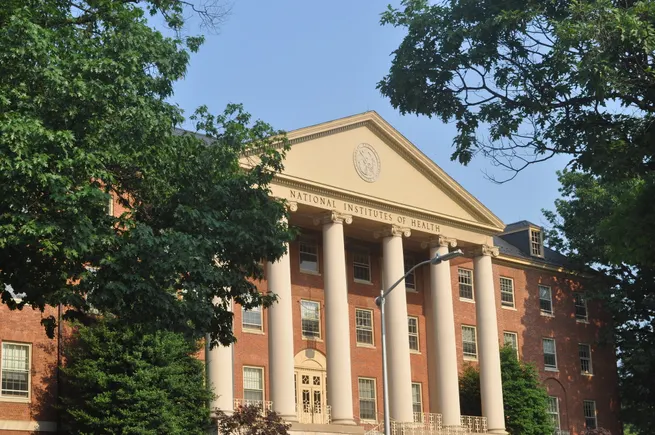
The 2010 Fabry disease drug shortage incident once sparked discussions about the US government's 'march-in rights.' Now, as drug pricing becomes a political hot topic, this rarely used patent power is being re-examined. This article analyzes its legal basis, historical cases, and potential future applications.
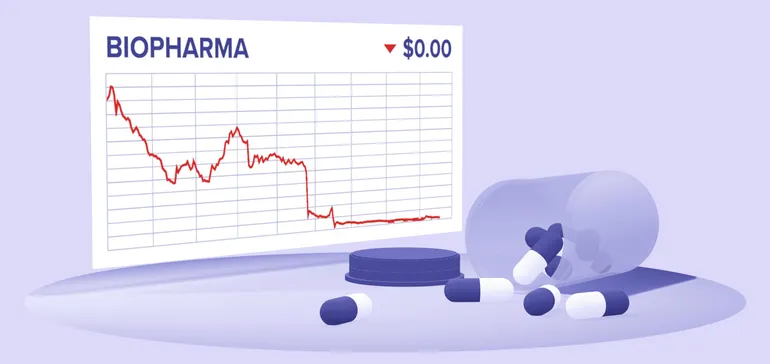
Bankruptcies among biopharmaceutical companies are uncommon in the industry, but the number of firms seeking bankruptcy protection rose in 2019. Industry experts warn that, amid combined financial, legal, and political pressures, more companies may face the risk of going to zero in the future.