


Gene Therapy

The FDA has issued long-awaited draft guidance aimed at accelerating the development of personalized therapies for extremely rare diseases. The guidance details a 'plausible mechanism pathway' that allows approval based on a single well-controlled clinical investigation plus confirmatory evidence, rather than randomized controlled trials, which are often infeasible for ultra-rare conditions. The move follows the case of KJ Muldoon, a baby who received a custom CRISPR-based gene-editing treatment at Children's Hospital of Philadelphia. HHS Secretary Robert F. Kennedy Jr. and FDA leaders highlighted the framework's potential to transform drug development for rare diseases, with expectations of a surge in applications.

Beam Therapeutics announced that its base editing therapy risto-cel met its primary goal in a pivotal trial, helping sickle cell patients achieve freedom from severe vaso-occlusive crises. The data, from 31 patients with 12 months of follow-up, mark the first positive late-stage readout for base editing. Beam plans to file for FDA approval by year-end. If approved, risto-cel would be the third genetic therapy on the market, competing with Casgevy and Lyfgenia, which have seen slow uptake. Beam's shares fell 10% on the news.

Novartis has reported that nine patients with spinal muscular atrophy who received its gene therapy Zolgensma later developed tumors, and two of those cases showed evidence that the adeno-associated virus used to deliver the treatment integrated into patient DNA. The company said it notified health authorities after each case. The FDA announced on Nov. 6 that it is investigating the cases, which involved tumors in the kidney, central and peripheral nervous systems, and areas around the spine. Patient groups SMA Europe and Cure SMA are seeking clearer information. Zolgensma, approved for SMA, has been used in about 6,000 people and remains the most commercially successful gene replacement therapy, though the theoretical risk of cancer from AAV integration has long been a concern in gene therapy research.

Artiva Biotherapeutics will lay off most of its staff and stop developing its experimental natural killer cell therapy, AlloNK, for autoimmune conditions after reporting two patient deaths in a clinical trial. The company stated both deaths appear unrelated to AlloNK: one was linked to the chemotherapy fludarabine used in conditioning, and the other was a sudden death not attributed to the therapy or regimen. The FDA requested a pause in the Phase 2a trial, and Artiva also stopped enrollment and dosing in a Phase 3 trial. AlloNK's effects were not durable enough to support continued development. Artiva plans to lay off 94% of its staff, has hired a financial adviser for a strategic review, and held $319.1 million in cash as of September. The news follows setbacks for other cell therapies for autoimmune diseases from Novartis and Bristol Myers Squibb.
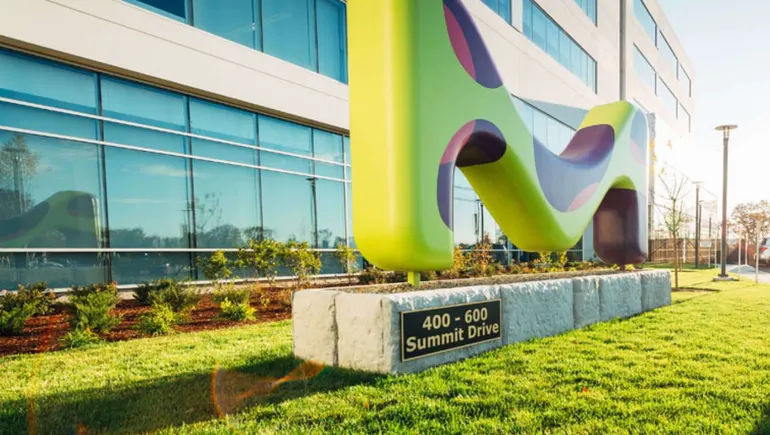
Merck KGaA announced a $1.3 billion buyout of Silence Therapeutics, paying $20 per U.S.-listed share—a 130% premium—to acquire divesiran, an RNAi therapy that delivered positive Phase 2 data in polycythemia vera. Key shareholders holding 14% of voting power have agreed to the deal, expected to close in Q1 2027. Divesiran, which silences TMPRSS6 to raise hepcidin levels, could compete with Takeda and Protagonist Therapeutics' Mimrylo and older treatments like Jakafi. Analysts from Cantor Fitzgerald suggest divesiran may be best-in-class and could require fewer patients in Phase 3 than Mimrylo's trial. Merck KGaA CEO Kai Beckmann framed the deal as part of transforming the pipeline toward high-specialization areas, following last year's Springworks Therapeutics acquisition.
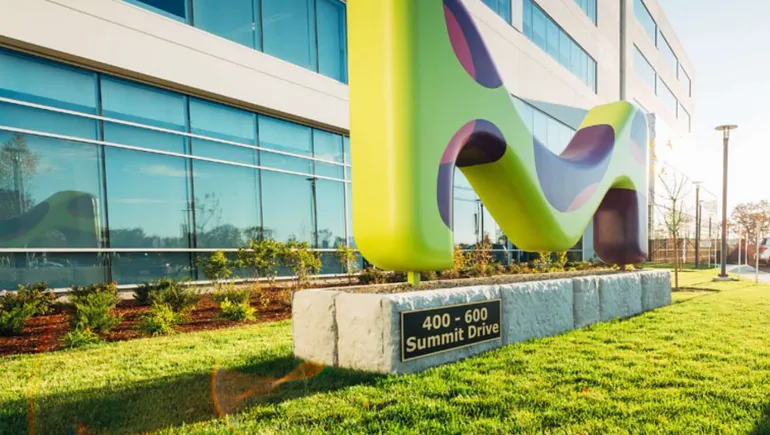
Merck KGaA announced a $1.3 billion buyout of Silence Therapeutics, paying $20 per U.S.-listed share at a 130% premium. The deal gives Merck KGaA access to divesiran, a short-interfering RNA therapy that has shown positive Phase 2 data in polycythemia vera and could be best-in-class, competing with Takeda and Protagonist's Mimrylo and older treatments like Jakafi. Key Silence shareholders representing 14% of voting power have agreed; the deal is expected to close in Q1 2027. CEO Kai Beckmann said the acquisition supports transforming the pipeline toward high-specialization areas, following last year's Springworks buyout. Analysts note divesiran's strong efficacy may reduce Phase 3 enrollment needs and execution risk.

Estuary Biotherapeutics, a California-based genetic medicines developer, has officially launched with $93 million in Series A funding and backing from Biogen and other investors. Founded in 2022, the company is built on research from Yale scientists Stefan Somlo and Michael Caplan, who discovered that reactivating polycystin proteins can shrink kidney cysts and reverse inflammation and scarring in mice. Estuary's lead programs, EST-201 and EST-101, target the two main drivers of autosomal dominant polycystic kidney disease (ADPKD) and are expected to enter human testing in 2027 and 2028. The funding will support efforts to overcome delivery challenges for kidney gene therapy.
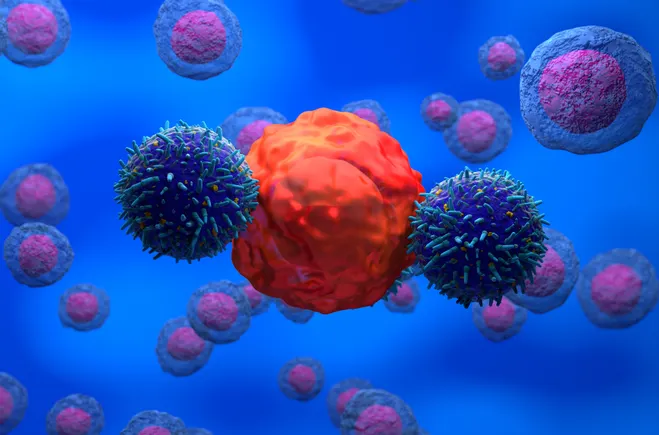
Lakefront Biotherapeutics, formerly Galapagos, has sold its cell therapy assets to Armed Cell Therapeutics, a new Belgian startup chaired by former Galapagos CEO Paul Stoffels. The deal includes two armed CAR-T therapies nearing human testing for non-Hodgkin lymphoma and small cell lung cancer, plus three confidential preclinical projects. Armed Cell is paying €8 million upfront with up to $230 million in future milestones. The sale revives research that Lakefront had decided to wind down after Stoffels announced his retirement. Armed Cell also named Willemijn Kremer, formerly Galapagos' VP of cell therapy corporate development, as CEO, succeeding Stoffels as interim CEO.

Aspen Neuroscience has filed to go public on the Nasdaq under the ticker “ASPE,” potentially becoming the first U.S. company focused on a Parkinson’s-specific cell therapy to list. Founded in 2018, Aspen uses a patient’s own cells, reprogrammed into dopamine-producing neurons, to treat Parkinson’s disease. Its lead therapy, sasineprocel (ANPD001), has completed an early-stage trial and is entering late-stage testing. The company has raised approximately $347 million since inception. In its Oct. 9 registration documents, Aspen reported a net loss of $62 million in 2025 and almost $37 million in the first six months of this year, with R&D accounting for over 70% of operating expenses. Aspen also disclosed substantial doubt about its ability to continue as a going concern without additional capital. The filing comes amid a more open IPO window for biotech, with two dozen biotechs having gone public so far in 2026.
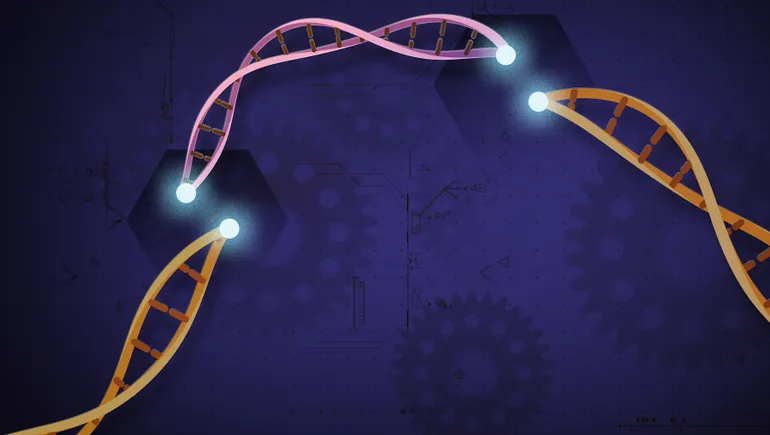
Caribou Biosciences, a CRISPR gene-editing company, is discontinuing research, laying off staff, and seeking strategic alternatives because it cannot raise the money to continue. The decision ends its work on two off-the-shelf CAR-T cancer therapies, one of which was ready for Phase 3 testing. CEO Rachel Haurwitz cited the challenging financing environment for allogeneic CAR-T cell therapies. The company's board will consider mergers, acquisitions, or other transactions, and a substantial workforce reduction will be mostly completed by the end of the year. Caribou, founded in 2011 with Nobel laureate Jennifer Doudna as a co-founder, went public in 2021 but has faced research setbacks and staff cuts. Despite the setback, Haurwitz emphasized the potential of vispa-cel and CB-011 to benefit patients.