


Deep Dive
来自我们记者的行业洞察
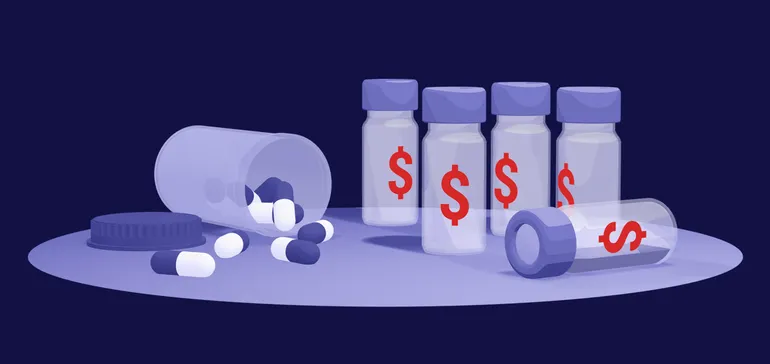
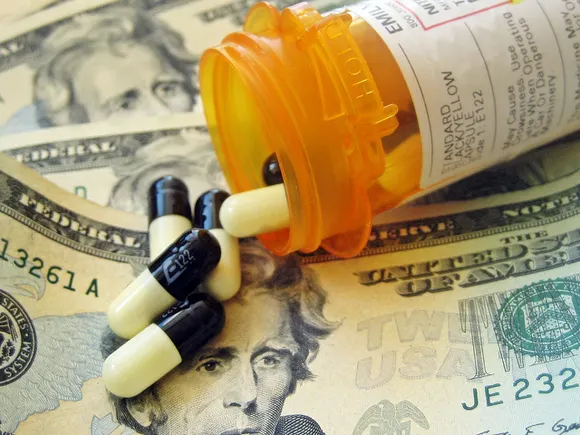
The number of bankruptcy cases in the biopharmaceutical industry in 2019 reached a new high since 2011. As of November 19, 11 companies have filed for Chapter 11 bankruptcy protection, with several burdened by opioid litigation, while other antibiotic developers have struggled due to commercialization setbacks. This article provides a complete list and links to related in-depth analyses.
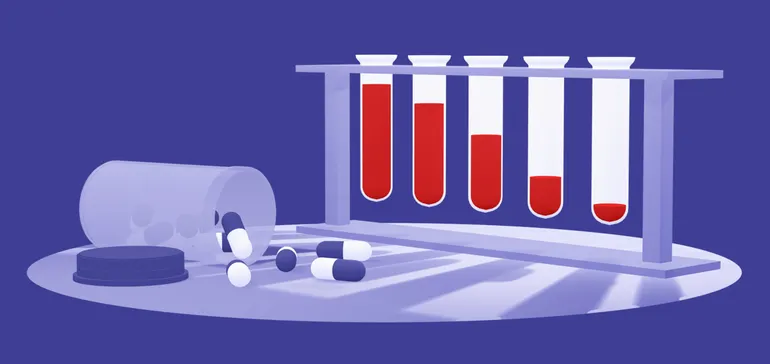
Based on CreditRiskMonitor's FRISK scoring system, BioPharma Dive identified 31 biopharmaceutical companies listed on major U.S. exchanges, with stock prices above $1 and market capitalizations exceeding $50 million, as having the highest bankruptcy risk over the next 12 months. The list includes large pharmaceutical companies such as Teva Pharmaceutical and Bausch Health, as well as smaller biotech firms like Clovis Oncology and Puma Biotechnology.

Pfizer announced that its CEO Albert Bourla will also serve as chairman starting January 1 next year, indicating that the trend of separating the CEO and chairman roles among major U.S. pharmaceutical companies remains rare. This article analyzes the unique governance structure choices in the U.S. biopharmaceutical industry and compares them with peers in Europe and Asia.

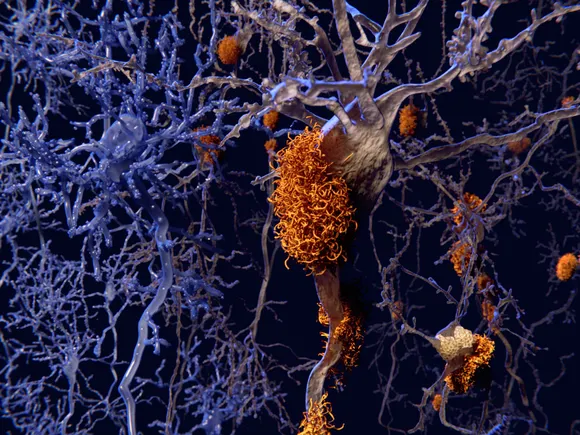
A first-of-its-kind adaptive platform trial in amyotrophic lateral sclerosis (ALS) will simultaneously test five experimental drugs, bringing new hope to patients with this neurodegenerative disease that lacks effective treatments. Led by the Healey Center for ALS at Massachusetts General Hospital, the trial aims to accelerate ALS drug development and may serve as a template for research into other rare diseases.
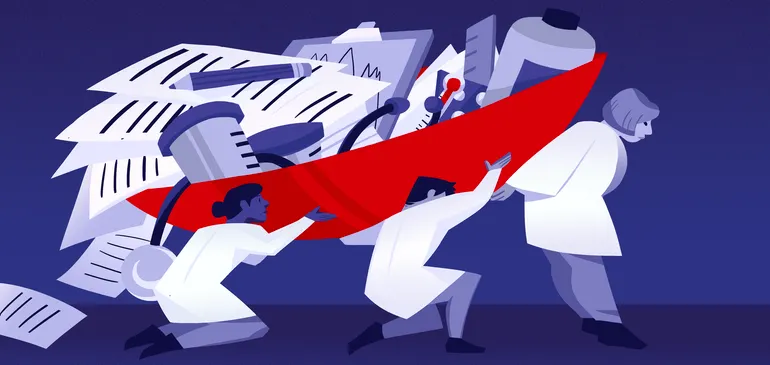
The boom in cancer drug development has left large U.S. research institutions facing an overload of clinical trial applications, with system efficiency under scrutiny. Immuno-oncology is a key driver, yet challenges like trial backlogs and patient recruitment difficulties are increasingly evident.
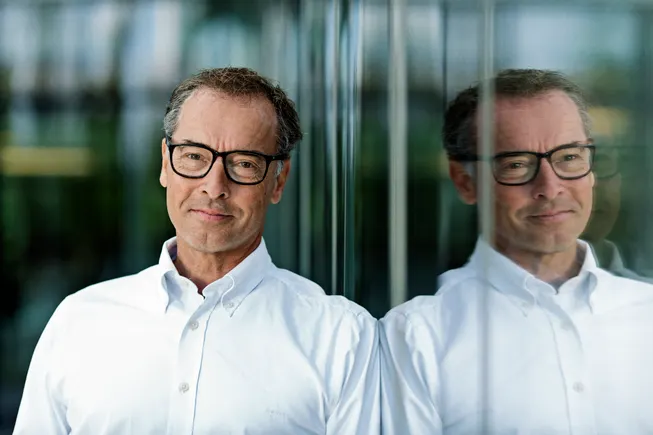
The U.S. FDA's approval of Novo Nordisk's new drug Rybelsus marks a new stage in innovation for type 2 diabetes medications. However, amid high drug prices and requirements for evidence of cardiovascular benefits, pharmaceutical giants and clinical experts are divided on the future direction: should they continue developing more precise glucose-lowering drugs, or should they focus on improving the accessibility and implementation of existing diagnosis and treatment?
Louisiana reached a five-year subscription agreement with Gilead for hepatitis C drugs, securing unlimited supply of Harvoni for approximately $60 million per year. The model was led by state Health Secretary Rebekah Gee, following three years of negotiations and multi-party maneuvering. This article analyzes its policy design, industry resistance, and significance as a model for other states.