


Deep Dive
来自我们记者的行业洞察

Biotech investors have historically bet on M&A, shorting companies that try to market their own drugs. But BridgeBio, Argenx, Insmed, and Madrigal have proven they can sell medicines better than expected, joining the sector's more valuable companies. This shift represents a maturation for biotech, potentially giving younger firms more leverage in deal negotiations and making the sector more appealing to generalist investors.

The biotech industry has long relied on M&A exits, but in recent years, companies such as BridgeBio and Madrigal have achieved better-than-expected sales through independent commercialization, changing investors' entrenched expectations of 'listing to sell.' This article analyzes the strategic considerations, success cases, and industry impact behind this trend.
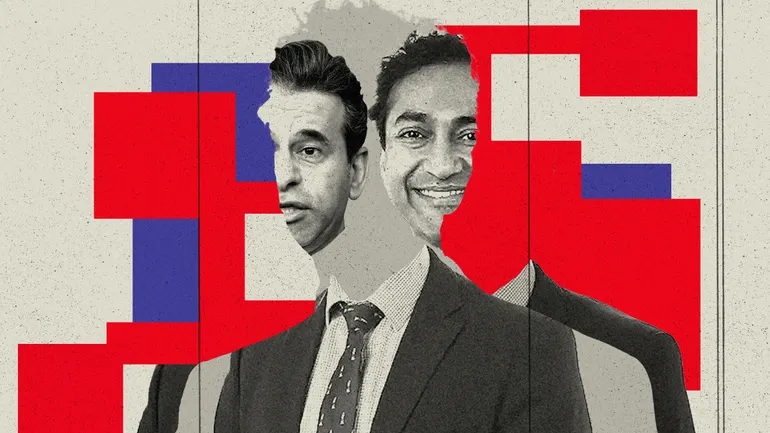
In the year since Marty Makary took over the FDA, the agency has experienced unusual turmoil: five CDER directors, CBER director Vinay Prasad's two departures, and public spats with drugmakers like UniQure. Industry watchers say the volatility and unpredictable communications have added risk to drug development, though HHS defends Makary's record and points to initiatives to streamline reviews.
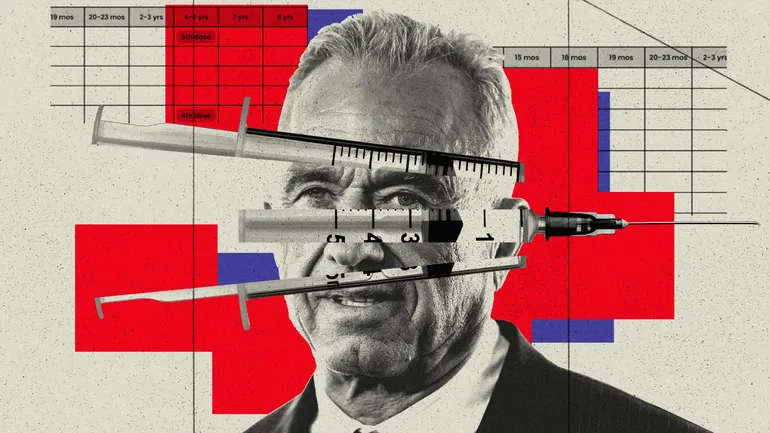
In a five-part series, Healthcare Dive, MedTech Dive and BioPharma Dive examine changes at HHS one year after sweeping layoffs. Former CDC official Demetre Daskalakis says the agency has become a 'hijacked plane' under Robert F. Kennedy Jr., citing the firing of ACIP members, weakened vaccine guidance and the removal of director Susan Monarez. Experts warn of eroded public trust and rising preventable disease outbreaks.
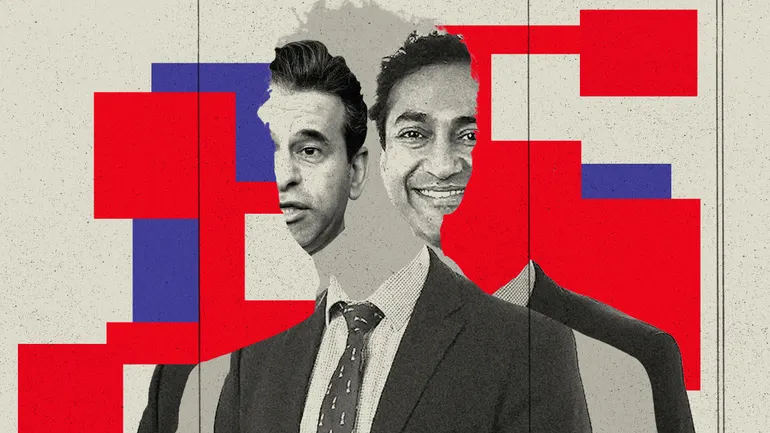
In the year since Marty Makary took the helm of the FDA, frequent personnel changes and unconventional public communications have left the pharmaceutical industry deeply concerned about regulatory predictability. This article, based on a joint investigation by Healthcare Dive, MedTech Dive, and BioPharma Dive, examines the trust crisis facing the agency amid leadership transitions, shifting review policies, and transparency reforms.
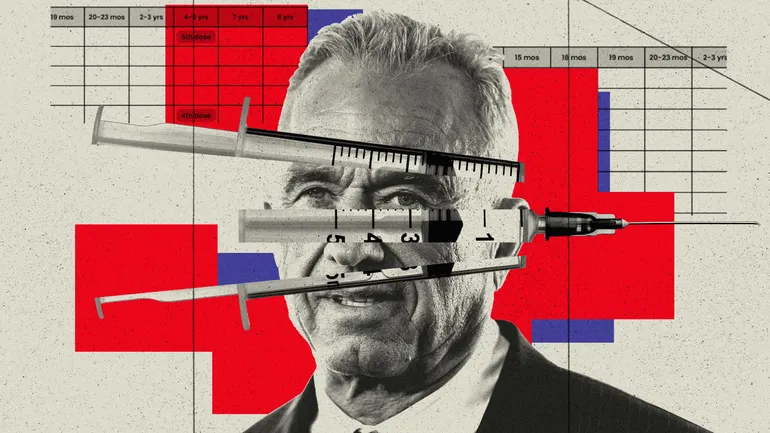

Even in dark times, biopharma investors and executives usually express optimism in January at the J.P. Morgan Healthcare Conference. In 2026, they have reason to feel hopeful: several sector health indicators turned positive in the second half of 2025, generalist investors returned, and investment banks predict the run will continue. However, sentiment could change quickly due to regulatory uncertainty, drug price reform threats, lackluster IPOs, competition from China, and shifting vaccine standards. The article poses five key questions for biopharma in 2026: Will biotech's recovery last? Will the dealmaking upswing continue? How will the U.S. respond to China's biotech ascent? Will the FDA tumult subside? How will vaccine policy change?


North Country HealthCare, a federally qualified health center serving rural Northern Arizona, sees AI scribes as a potential solution to clinician burnout but faces challenges in implementation. Experts note that safety-net providers often lack the financial resources, technical expertise, and IT infrastructure needed to adopt and monitor AI tools safely. With slim margins and workforce shortages, these providers risk falling further behind, exacerbating existing disparities. Some support programs exist, but scaling them remains a challenge.

Artificial intelligence is expected to reduce the burden on clinicians, but resource-poor safety-net medical institutions face multiple challenges in implementing AI, including technology, funding, and manpower, which may widen the digital divide in healthcare.