


Deep Dive
来自我们记者的行业洞察


The U.S. 2017 tax reform enabled large pharmaceutical companies to significantly reduce taxes through overseas patent arrangements, but the global minimum corporate tax rate (Pillar Two) promoted by the Organisation for Economic Co-operation and Development is about to take effect in some countries, potentially weakening the advantages of the current tax system and prompting pharmaceutical companies to reconsider R&D bases and intellectual property locations. The U.S. Congress has yet to reach consensus on relevant rules; if implementation lags, the Treasury could lose $39 billion over five years.


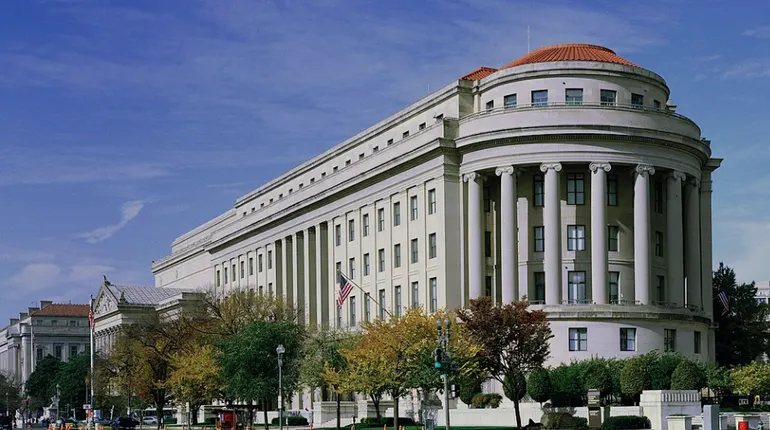
The Federal Trade Commission (FTC) and the Department of Justice (DOJ) jointly released draft revisions to merger guidelines aimed at strengthening oversight of consolidation in the healthcare sector. The new guidelines incorporate review elements targeting vertical mergers, cross-market transactions, and serial private equity acquisitions, which could significantly increase the success rate of merger challenges and exert a chilling effect on overall M&A activity. Experts note that while the guidelines are non-binding, they provide an important roadmap for regulatory decisions and judicial rulings.


The U.S. FDA is expected to decide soon on whether to withdraw Makena, a drug for preventing premature birth. The drug did not show a reduction in preterm birth risk in 2019 confirmatory trials, but its withdrawal would leave some high-risk pregnant women without the only approved preventive option. The FDA advisory committee recommended withdrawal by a vote of 14 to 1, with the final decision to be made by Commissioner Califf and Chief Scientist Bumpus. The controversy also involves deeper issues such as racial disparities, regulation of compounded formulations, and insufficient investment in preterm birth research.

A new generation of biotech entrepreneurs, including Stanford PhD Kevin Parker, discovered a lack of systematic guidance during their entrepreneurial journeys and launched a 'founder-led biotech' movement. Through communities, summits, and mentorship programs, they help academic scientists overcome startup barriers. Despite challenges such as inexperience, this movement has the potential to broaden industry boundaries and foster more diverse drug development.