


Pharma
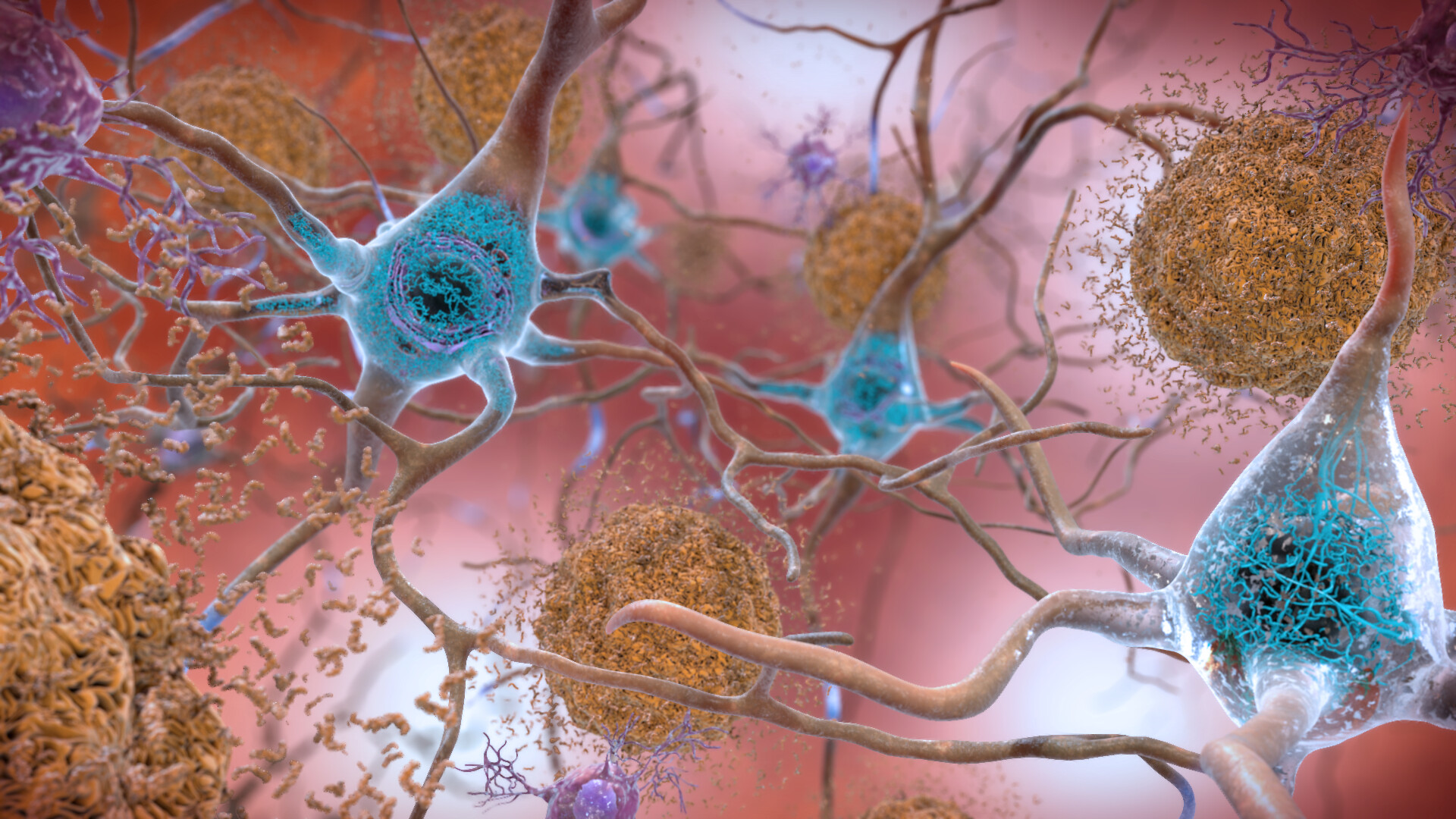
Biogen presented detailed findings from its mid-stage Celia trial of BIIB080, a tau-targeting antisense drug for early Alzheimer's disease. All three doses outperformed placebo on the CDR-SB after 18 months, with the lowest dose showing a 26% slowing of decline—comparable to Leqembi's 27%. However, the trial failed its primary goal of demonstrating a dose-response relationship, and statistical significance for secondary endpoints was nominal. Biogen plans to advance the drug to late-stage testing despite these issues, citing cognitive benefits and tau reduction. Analysts are divided on the investment case, with some questioning the strategic rationale given Biogen's pipeline priorities.

The FDA approved Bayer's Sunharbo (asundexian) for secondary stroke prevention in certain adults. The Factor XIa inhibitor reduced ischemic stroke risk by 26% compared to placebo in a study of over 12,000 patients, with similar major bleeding rates. Sunharbo will be priced at $748.50 for a 30-day supply and will be used alongside antiplatelet therapy. Bayer sees stroke neurologists as key to the early rollout, with primary care physicians becoming more important over time. The drug represents a new class of anticoagulants, with competitors like Bristol Myers Squibb and Johnson & Johnson also developing Factor XIa inhibitors.

As life sciences companies enter the commercial stage, their investments shift toward manufacturing, supply chain, and market expansion. State and local incentives can be a crucial part of investment planning, especially when evaluated before committing to a location. Key incentives include site selection packages, job creation and payroll incentives, manufacturing and capital investment incentives, sales and use tax exemptions, property tax relief, workforce recruitment and training, infrastructure and utility costs, and continued research and product-development activity. The appropriate mix depends on the project type, such as biologics manufacturing, medical devices, distribution, or headquarters. Incentives should be integrated into the investment model and modeled over the project's life, considering factors like upfront cash grants, tax credits, rebates, abatements, training reimbursements, infrastructure support, utility incentives, financing assistance, and permitting support. Manufacturing exemptions, particularly sales and use tax exemptions for qualifying machinery and equipment, are often prioritized due to the capital-intensive nature of commercial-stage projects. Companies should carefully review equipment lists and process flows and establish taxability rules before purchases to ensure exemptions are realized.

Novartis has reported that nine patients with spinal muscular atrophy who received its gene therapy Zolgensma later developed tumors, and two of those cases showed evidence that the adeno-associated virus used to deliver the treatment integrated into patient DNA. The company said it notified health authorities after each case. The FDA announced on Nov. 6 that it is investigating the cases, which involved tumors in the kidney, central and peripheral nervous systems, and areas around the spine. Patient groups SMA Europe and Cure SMA are seeking clearer information. Zolgensma, approved for SMA, has been used in about 6,000 people and remains the most commercially successful gene replacement therapy, though the theoretical risk of cancer from AAV integration has long been a concern in gene therapy research.
Sanofi has discontinued development of SAR448272, an experimental oral immune disease drug designed to degrade STAT6, which it licensed from Nurix. Nurix disclosed the decision on Tuesday but did not specify a reason; Sanofi told Leerink Partners that emerging nonclinical findings did not warrant further development in eczema. Nurix received a $10 million payment from Sanofi in August when a Phase 1 study began and would have been eligible for additional payouts. Nurix shares plummeted more than 40% in early trading Wednesday. The move surprised analysts given progress by Kymera Therapeutics with a similar STAT6 degrader. Sanofi said it still believes STAT6 is an important immunology pathway but this particular molecule will not move forward, and it has another STAT6 program with Recludix Pharma. Analysts said the termination does not negatively read through to the broader STAT6 class or affect Nurix's core value driver, the Roche-partnered bexobrutideg.
Novo Nordisk on Wednesday raised its profit and sales outlook for the year after reporting better-than-expected revenue from its Wegovy obesity pill. Adjusted sales and operating profit will now grow as much as 2% at constant exchange rates, up from prior forecasts of a decline. The Wegovy pill, launched in January, brought in 5.39 billion Danish kroner (about $811 million) in the third quarter, surpassing the average consensus analyst estimate of 4.96 billion kroner. Overall company sales and profit also beat Wall Street forecasts. The pill represents a rare bright spot for Novo, which has lost about two-thirds of its value since June 2024 amid competition from Eli Lilly and pipeline setbacks. Novo also announced that CFO Karsten Munk Knudsen will leave the company, to be succeeded by Luigi La Corte.

Democrats regained majorities in the House and Senate in the midterm elections, a shift that analysts say will escalate the biopharmaceutical sector's broader recovery. Drug pricing may not be a hot-button issue given existing programs under Biden and Trump. Analysts also expect greater scrutiny of FDA and HHS leadership, vaccine policy, and China-related biotech collaborations, but not a blanket ban on data or M&A. Early stock performance suggests investor optimism.
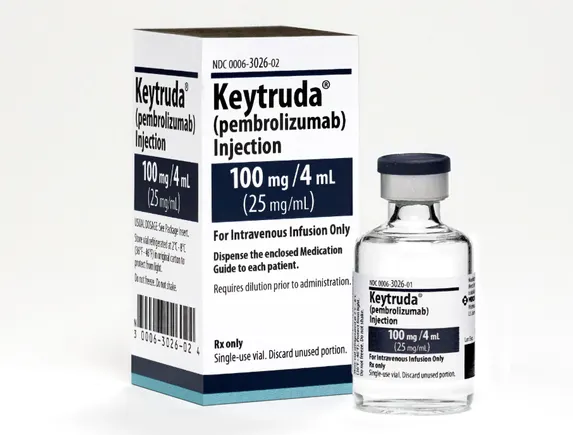
The FDA has accepted the first publicly announced application for a Keytruda biosimilar, FYB206, with potential approval in Q3 2027. About a dozen other candidates are in development as Keytruda's key patents begin to expire in 2028. Despite regulatory support, biosimilars face an uphill battle due to strategic deals between branded manufacturers and PBMs that favor established products, creating anti-competitive incentives. While the FDA's Biosimilars Action Plan and a streamlined development pathway for FYB206 could set a precedent, market hurdles remain. Biosimilars currently hold less than 20% market share despite potential savings, and without unwinding the complex web of deals, competition may not translate into lower costs. Companies may be discouraged from developing biosimilars if the system remains rigged against them.

AstraZeneca reiterated its $80 billion revenue target by 2030 and unveiled a $1.5 billion annual cost-savings program, 'Reshaping for Sustainable Growth,' which includes a $2 billion restructuring charge and reinvestment in R&D and AI. Alnylam Pharmaceuticals reported $1.13 billion in third-quarter Amvuttra revenue, in line with expectations, but shares fell more than 20% on concerns about Medicare reimbursement changes and UnitedHealth's restrictive policy, raising questions about the drug's growth outlook. Regeneron Pharmaceuticals shares rose 13% after reporting record quarterly sales: Dupixent at $6.5 billion (up 35%), high-dose Eylea at $700 million, and Libtayo at $550 million, all beating estimates. Analysts highlighted Regeneron's successful defense against biosimilar competition and noted pipeline prospects, including an RNA-based medicine licensed from Alnylam for MASH.

International reference pricing, accelerated by President Trump's May 2025 executive order, has led to widespread voluntary agreements among drugmakers and an apparent decline in EU new drug launches. Coupled with the EU's Joint Clinical Assessment and stricter HTA evidence standards, these shifts demand integrated scenario modeling. Experts from Cencora argue that sequential, siloed planning is no longer viable; instead, cross-functional teams must use AI to test complex trade-offs across regulatory, market access and pricing decisions from the earliest stages of development.