


FDA

The FDA approved Bayer's Sunharbo (asundexian) for secondary stroke prevention in certain adults. The Factor XIa inhibitor reduced ischemic stroke risk by 26% compared to placebo in a study of over 12,000 patients, with similar major bleeding rates. Sunharbo will be priced at $748.50 for a 30-day supply and will be used alongside antiplatelet therapy. Bayer sees stroke neurologists as key to the early rollout, with primary care physicians becoming more important over time. The drug represents a new class of anticoagulants, with competitors like Bristol Myers Squibb and Johnson & Johnson also developing Factor XIa inhibitors.

Novartis has reported that nine patients with spinal muscular atrophy who received its gene therapy Zolgensma later developed tumors, and two of those cases showed evidence that the adeno-associated virus used to deliver the treatment integrated into patient DNA. The company said it notified health authorities after each case. The FDA announced on Nov. 6 that it is investigating the cases, which involved tumors in the kidney, central and peripheral nervous systems, and areas around the spine. Patient groups SMA Europe and Cure SMA are seeking clearer information. Zolgensma, approved for SMA, has been used in about 6,000 people and remains the most commercially successful gene replacement therapy, though the theoretical risk of cancer from AAV integration has long been a concern in gene therapy research.
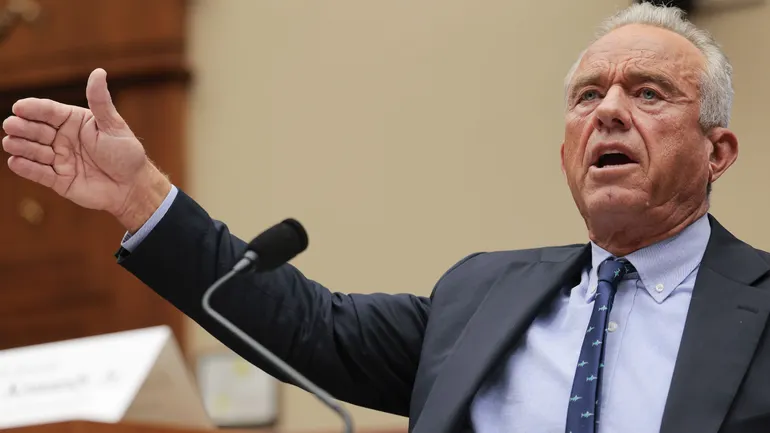
Health and Human Services Secretary Robert F. Kennedy Jr. has adopted a new strategy to widen access to six unapproved peptides by announcing that HHS won't take enforcement action against state-licensed pharmacies, federal facilities, or licensed doctors that compound them. The move follows an FDA advisory panel's narrow recommendation in July to lift restrictions on KPV, TB-500, BPC-157, MOTS-c, Semax, and Epitalon, but FDA officials have concerns about potentially dangerous effects and won't support a regulation calling them safe. Critics, including Public Citizen and Americans for Safe & Effective Medicines, argue the policy undermines the FDA and poses public health risks, while HHS says it advances patient choice and provides a more controlled alternative to black and gray markets. The policy does not include emideltide, which the panel voted against. HHS is accepting comments for two weeks.
The FDA announced a draft guidance for personalized gene therapies that would let drugmakers gain approval for a therapy targeting one mutation, then later secure clearance for other mutations using lab data instead of new clinical trials. The plan, part of the agency's rare disease efforts, could change the economics of developing treatments for ultra-rare diseases. Analysts see a 'plug and play' option for gene editing companies like Prime Medicine and Beam Therapeutics, whose shares rose. CMS is also expanding a program for Medicaid access to cell and gene therapies.

Biohaven announced that the FDA has accepted its resubmitted application for Vyglxia, a drug for spinocerebellar ataxia that was previously rejected. The FDA will convene an expert panel and expects to issue a new verdict in the first quarter of next year. The drug, which could be the first approved treatment for the condition, has faced regulatory hurdles in both the U.S. and Europe. Biohaven resubmitted with new positive supportive analyses, and the news sent shares up about 25%. Analysts see the advisory committee meeting as increasing approval chances, especially amid FDA leadership turnover and a stated desire for more flexibility in rare disease reviews.
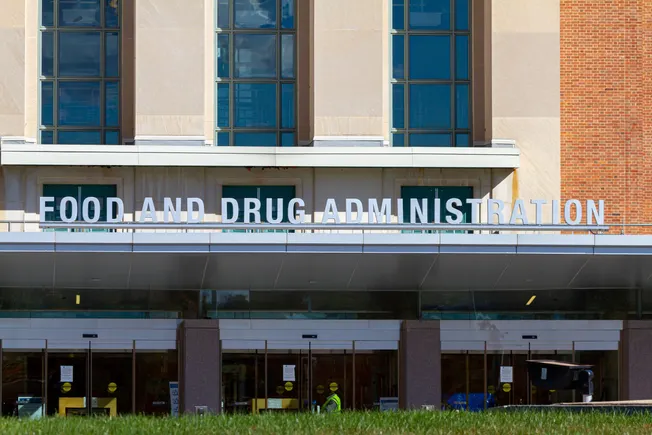
The FDA approved Hibsago, a first-of-its-kind RNA-based medicine from GSK and Ionis for certain adults with chronic hepatitis B. In late-stage trials, about a fifth of patients achieved a functional cure when Hibsago was combined with antivirals, compared to none on placebo. The drug requires periodic injections over six months and carries a safety warning for liver inflammation and low platelet counts. GSK has not disclosed the list price, and the drug is already approved in Japan with reviews ongoing in China and Europe.

The FDA on Wednesday announced the 'Rare Disease Framework Initiative,' which aims to review existing policies and create a 'fit-for-purpose framework' for drug development and regulation of rare disease therapies. The agency will seek input from patients and experts, with a public meeting scheduled for Oct. 28 and initial recommendations targeted for February, according to Bloomberg News. The initiative continues an ongoing 'reset' at the FDA and may reduce uncertainty for drug developers, though the agency still lacks a permanent leader. About 30 million Americans live with a rare disease, but only 5% of recognized rare conditions had an approved treatment as of last year.

Bristol Myers Squibb reported that its experimental IPF drug admilparant met its primary endpoint in a Phase 3 trial, significantly slowing breathing capacity decline at a 60 mg dose compared to placebo. However, the 120 mg dose did not achieve statistical significance, prompting analyst concerns about the lack of dose response. The company said the drug was well tolerated. Bristol Myers shares reversed early gains to close down about 4%. Admilparant is the most advanced LPA1 receptor antagonist, a class with a history of safety and efficacy setbacks. Analysts remain divided on the drug's prospects, with some seeing a blockbuster opportunity and others awaiting detailed data.

Bristol Myers Squibb reported that its experimental IPF drug admilparant met its primary endpoint in a Phase 3 trial at the 60 mg dose, significantly slowing forced vital capacity decline versus placebo over one year. However, the 120 mg dose did not achieve statistical significance, prompting analyst concerns about the lack of dose response. The company said the drug was well tolerated. Admilparant is the most advanced LPA1 receptor antagonist, a class with a history of safety and efficacy setbacks. Bristol Myers shares initially rose 6% pre-market but closed down about 4%. Contineum Therapeutics, which has a competing LPA1 drug, saw its stock fall 30%. Separately, Bristol Myers reported success in a late-stage study of radiopharmaceutical RYZ-101 for neuroendocrine tumors, acquired via the $4.1 billion RayzeBio buyout.

The Department of Health and Human Services has unveiled a broad plan to strengthen surveillance of vaccine-related injuries, including enhanced monitoring systems and a new clinic at the National Institutes of Health to study health problems following immunization. Led by HHS Secretary Robert F. Kennedy Jr., the initiatives aim to improve how the federal government identifies, documents, investigates, and responds to reported health problems after vaccination. The plan includes reimbursing doctors for reporting suspected side effects to VAERS, updating VAERS for accessibility, and requiring electronic health records to capture vaccine-related adverse events. Kennedy stated the goal is to listen to patients and make vaccines safer. However, experts like Paul Offit and Kawsar Talaat expressed skepticism, warning the moves could undermine vaccine confidence rather than improve it. HHS did not provide additional comment.