


FDA

Foghorn Therapeutics is cutting 40% of its staff and discontinuing its FHD-909 program and a second SMARCA2-targeted drug after the cancer drug developed with Eli Lilly failed to meet efficacy benchmarks. Wave Life Sciences received FDA clearance for an accelerated approval pathway for its RNA editing treatment for alpha-1 antitrypsin deficiency. Samsung Bioepis and Teva expanded their partnership to develop six biosimilars. Varda Space Industries raised $251 million in a Series D round. Hatteras Venture Partners appointed Andrew Witty as chairman and Ned Sharpless as managing director of a drug discovery initiative, and announced the first closing of a $100 million fund.
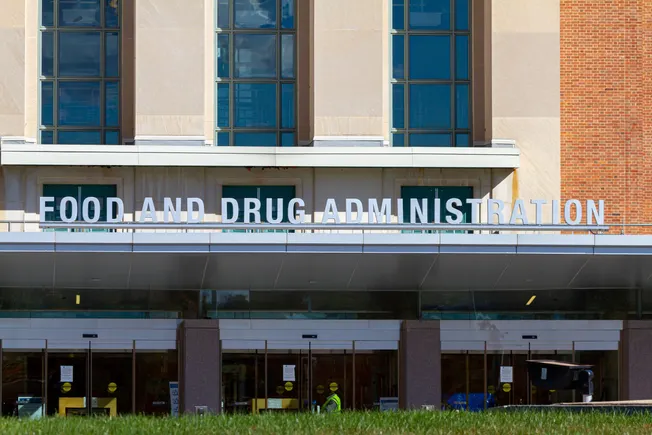
The third quarter of 2026 brought stability to the FDA under acting commissioner Kyle Diamantas, with advisory committees resuming and permanent directors appointed at CDER and CBER. However, the confirmation of White House policy aide Heidi Overton as commissioner remains uncertain due to a tight Senate window before the midterms. In the fourth quarter, critical decisions are expected on a first-of-its-kind cancer immunotherapy, a functional cure for hepatitis B, and other notable products. This article outlines five key FDA decisions to watch.
The FDA has accepted Roche's approval application for fenebrutinib, an experimental BTK inhibitor for relapsing and primary progressive multiple sclerosis, and initiated a priority review with a six-month timeline. The application is based on three late-stage studies that met their main goals, but an imbalance in deaths among treatment recipients and pre-existing liver safety concerns could complicate approval. Fenebrutinib would be the first of its kind approved in both MS settings if cleared.

Kodiak Sciences announced that its two drugs for macular degeneration, Zenkuda and tabirafusp alfa tedromer, succeeded in a Phase 3 trial comparing them to Regeneron's Eylea. Zenkuda matched Eylea's vision improvement while allowing 54% of patients to go six months between injections, versus every eight weeks for Eylea. Both drugs were non-inferior on efficacy and safety. Kodiak plans to seek FDA approval for Zenkuda in the fourth quarter of 2026 and for tabirafusp-ted late next year. The news sent Kodiak's shares up more than 100%, adding over $3 billion in market value.
Merck & Co. and Daiichi Sankyo have withdrawn a U.S. accelerated approval application for ifinatamab deruxtecan (I-DXd) in extensive-stage small-cell lung cancer after the FDA indicated Phase 2 response data were insufficient. The decision erases an expected edge over competing B7-H3 antibody-drug conjugates from GSK and Roche. A late-stage trial of I-DXd continues, though it previously had a temporary recruitment halt due to higher-than-anticipated deaths from a serious lung condition. Analysts note the FDA's increased scrutiny and a raised bar in SCLC following Amgen's Imdelltra approval, with GSK now holding a roughly two-month lead.
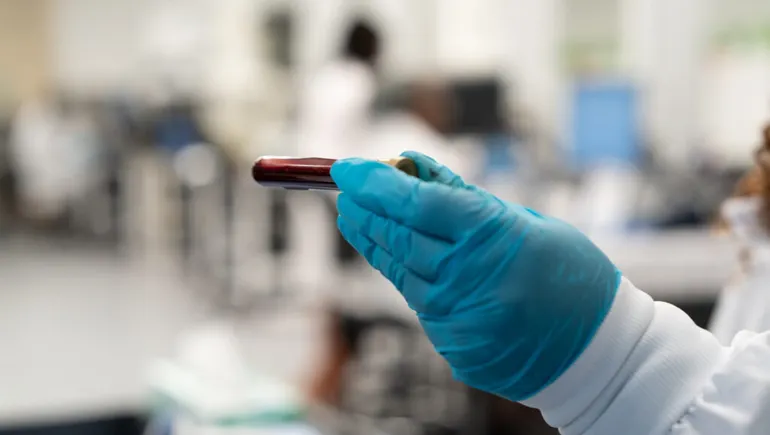
An independent expert panel advising the FDA voted 7-2 that the probable benefits of Grail's Galleri multicancer blood test outweigh its risks, with one abstention. The panel unanimously agreed the test is safe but narrowly backed its effectiveness (6-4). Debate focused on false positives/negatives and the risk that patients might skip guideline-recommended screenings. Grail has submitted a premarket approval application; FDA usually follows panel advice. Galleri analyzes methylation patterns in cell-free DNA to detect cancer signals and identify tissue type. Panel members stressed it should not replace standard screenings. Limited data on some cancer types was noted. The test failed the primary endpoint in the NHS-Galleri trial, but Grail highlighted a shift toward earlier-stage detection. Galleri has been sold as a lab-developed test since 2021.
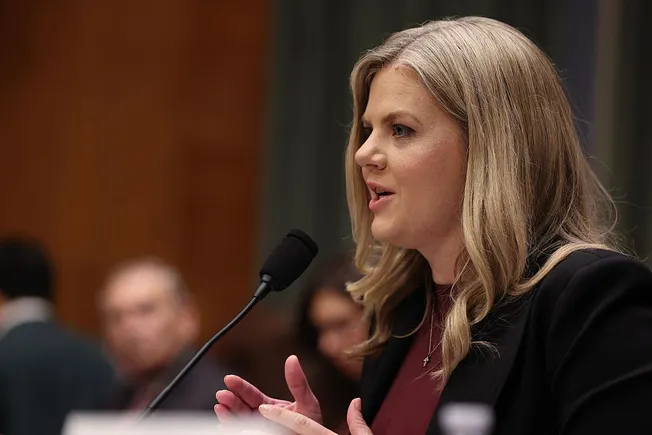
At her Senate confirmation hearing Thursday, FDA commissioner nominee Heidi Overton said she would 'follow the law' on vaccine and mifepristone policy if pressured by the White House. She affirmed the MMR vaccine is 'safe and effective' and acknowledged the FDA's determination that mifepristone meets safety and effectiveness standards, while declining to prejudge an ongoing review. Overton also pledged to advance reforms such as 'Operation Trialblazer' to accelerate early drug research and strengthen U.S. competitiveness against China's biotechnology industry. The hearing comes as the FDA seeks stability after a turbulent 18 months under former commissioner Martin Makary.

Xenon Pharmaceuticals' stock fell up to 30% after the company paused enrollment in Phase 3 trials of azetukalner for depression due to neuropsychiatric adverse events not seen in earlier testing. The trials will continue with enrolled patients and yield data in early 2027. Meanwhile, the FDA has begun reviewing azetukalner for focal seizures. Analysts believe the depression safety findings likely won't affect the epilepsy review, as other epilepsy drugs carry more serious risks, and some consider the sell-off overdone.
The FDA on Tuesday launched the Expedited Investigational New Drug Pilot, part of Operation Trialblazer, to speed up early clinical trials in the US. The program will select up to 10 qualified research institutions to work with drugmakers on applications for human trials, enabling rolling reviews. The initiative responds to challenges from drug sponsors regarding the time and uncertainty in moving from discovery to first-in-human trials. It aims to counter the trend of conducting early-stage studies in countries like China and Australia, where faster regulatory processes have led to a surge in trials. The FDA will select eight to 10 institution-drugmaker pairings, with applications due by Oct. 30. The program is part of broader US efforts to compete with China's biotech sector.
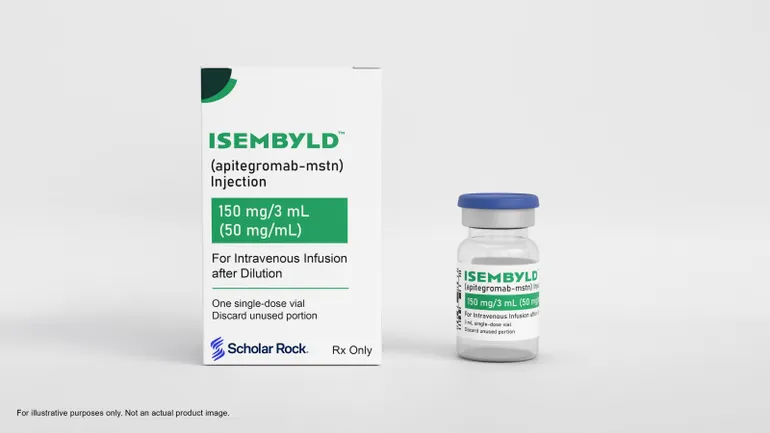
The FDA approved Scholar Rock's Isembyld (apitegromab) for spinal muscular atrophy, to be used alongside existing therapies in adults and children 2 years and older. The drug, priced at about $310,000 annually, blocks myostatin to improve motor function and will compete with Biogen, Novartis, and Roche. Approval followed manufacturing issues that led to a previous rejection, and the label includes a warning for bone fractures.