


Clinical Trials
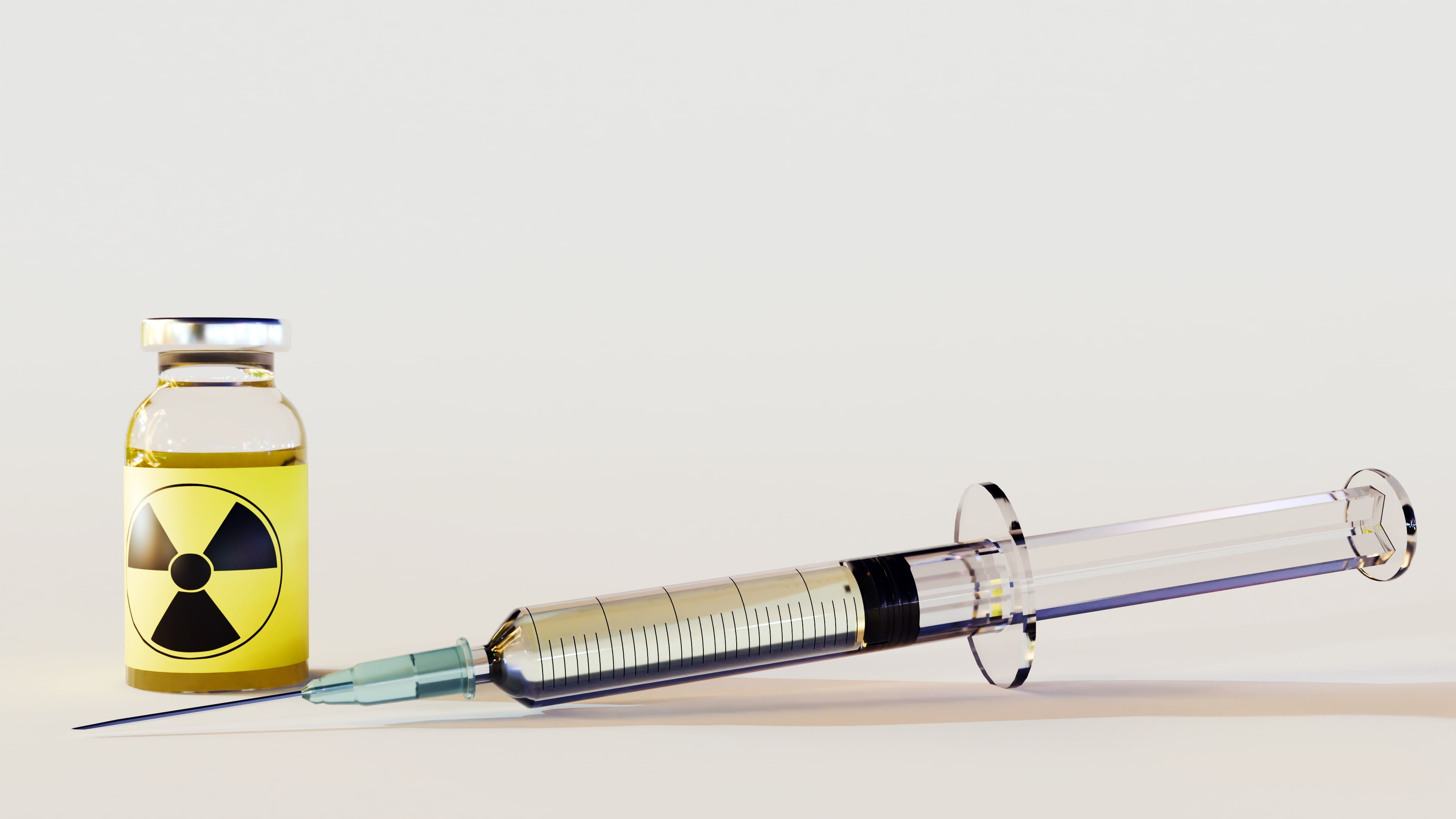
Radiopharmaceuticals are drugs that precisely deliver radioactive material to tumors, offering a targeted punch of radiation. Novartis's Pluvicto, approved in 2022 for prostate cancer, validated the field, but manufacturing and distribution challenges persist. Despite early setbacks, technical advancements and big pharma investments have spurred a wave of startups and renewed interest, with companies like Bayer and Fusion Pharmaceuticals advancing new candidates. This article provides a snapshot of the field's evolution and key players.

PepGen's PGN-EDODM1 demonstrated an average 46.5% splicing correction in six DM1 patients after 13 weeks, with four exceeding 50%, which the company claims is the highest level ever in a multi-dose DM1 study. Improvements in mobility and muscle strength were also observed, and side effects were mild to moderate. The results suggest potential best-in-class status compared to rivals, though a U.S. partial hold remains a risk. Shares surged more than 90% on Tuesday.
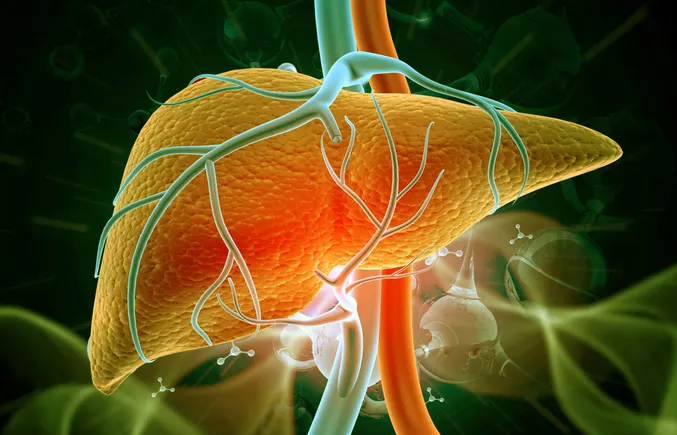
Vir Biotechnology announced that its experimental two-drug combination of elebsiran and tobevibart succeeded in the first of three Phase 3 trials for chronic hepatitis D. After 48 weeks, 44% of treated participants largely eliminated detectable signs of the virus and normalized levels of an important liver enzyme, compared to none in a delayed-treatment cohort. The regimen also met a key secondary endpoint, with 79% of treated patients achieving a treatment response. Two additional Phase 3 trials are ongoing, with data expected early next year, and positive results from all three would support a regulatory submission in 2027. Vir, which initially focused on infectious diseases and brought the COVID-19 antibody drug Xevudy to market in 2021, has since restructured to primarily work on T-cell engagers for cancer but retained its hepatitis D program. Hepatitis D is a liver infection that only occurs in people already infected with hepatitis B and affects about 5% of people with chronic hepatitis B worldwide, according to the WHO. Treatment options are limited but changing, with the FDA approving Gilead's Hepcludex earlier this year and Mirum Pharmaceuticals' acquired drug succeeding in a Phase 3 trial in September. Evercore ISI analyst Cory Kasimov predicted Vir's combination should become the preferred medicine for hepatitis D and a dominant front-line product upon approval, noting the results compare favorably to rival therapies. Vir shares rose about 12% in early Monday trading.
Positive Phase II results clear the way for Phase III development, but a successful transition involves far more than scaling up the clinical program. As studies expand into new countries, decisions about country and site selection, formulation, manufacturing, supply, and regulatory requirements become increasingly interconnected. Phase III readiness requires understanding what needs to change across the development program, which decisions depend on one another, and what can be put in motion before Phase II is complete. Early planning across clinical, regulatory, and manufacturing functions can help teams anticipate dependencies and avoid delays.
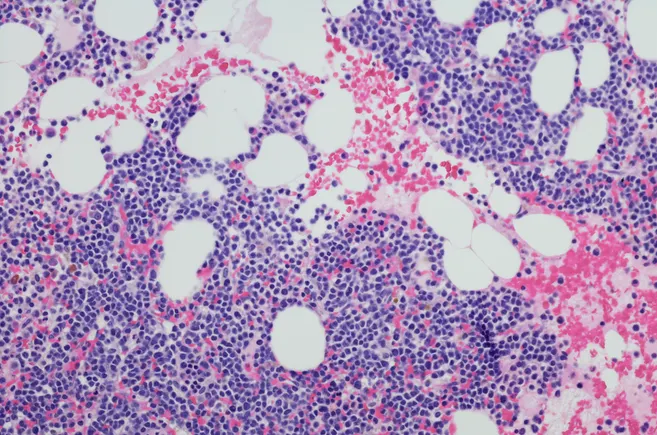
The American Society of Hematology (ASH) meeting will feature multiple presentations on trispecific antibodies that bind to three targets, potentially offering more durable responses by countering tumor resistance. Johnson & Johnson and AbbVie are leading in multiple myeloma, with J&J's ramantamig showing 100% MRD negativity in a mid-stage trial and AbbVie's ABBV-2001 producing responses in 75-85% of patients. Innovent's IBI3003 and Shanghai Xianxiang's SIM0500 also show high response rates, while Kali Therapeutics will present preclinical data.

At the European Society for Medical Oncology (ESMO) meeting, Moderna and Merck's individualized neoantigen therapy intismeran autogene met high expectations in melanoma but Moderna's shares fell double digits on commercial and broader-tumor doubts. Tango Therapeutics' vopimetostat combo showed strong response rates in pancreatic cancer, yet its stock dropped about 20% amid layoff news and competition concerns. Xencor's XmAb819 posted a 46% response rate in kidney cancer, making it a top Wall Street winner.
Genmab's stock soared to a record high after its experimental drug petosemtamab, combined with Keytruda, succeeded in a late-stage trial for PD-L1-positive head and neck squamous cell carcinoma, halving the risk of death compared to Keytruda alone. The regimen met dual main objectives on response rates and survival. This marks the third consecutive positive late-stage readout for Genmab in recent weeks, boosting its growth prospects ahead of Darzalex's patent expiry. The company's market value increased by over $7 billion, surpassing $35 billion. Genmab will share detailed results with regulators and present them at a future medical meeting. Petosemtamab, acquired through the $8 billion buyout of Merus, is a bispecific antibody targeting EGFR and LGR5, and is also being tested in other Phase 3 trials, including in recurrent head and neck cancer and colorectal cancer.
Genmab's stock soared to a record high after its experimental drug petosemtamab, combined with Keytruda, succeeded in a late-stage trial for head and neck squamous cell carcinoma, cutting the risk of death by half compared to Keytruda alone. The regimen met dual main objectives on response rates and survival. This marks the third consecutive positive late-stage readout for Genmab in a few weeks, boosting the company ahead of Darzalex's patent expiry. Genmab's market value increased by more than $7 billion, surpassing $35 billion. Petosemtamab, a bispecific antibody targeting EGFR and LGR5, was acquired through the $8 billion buyout of Merus and is predicted to become a blockbuster by 2029.
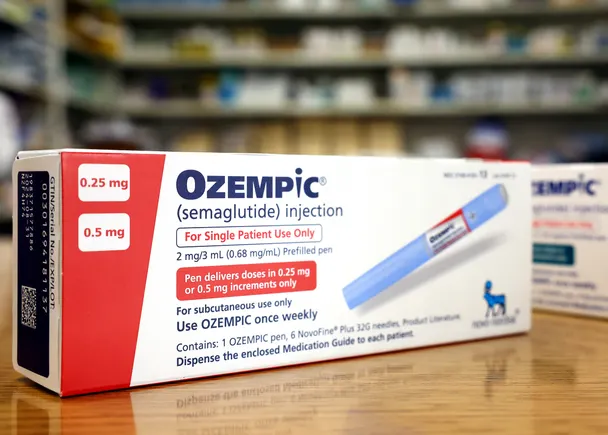
Eli Lilly’s triple-acting metabolic drug retatrutide outperformed Novo’s Ozempic in a head-to-head Phase 3 trial, achieving greater reductions in blood sugar and weight at the highest dose. After 80 weeks, the 12 mg dose lowered blood sugar by 2.2 percentage points versus 1.8 for Ozempic, and reduced weight by 21% compared to 9% for Ozempic. However, more retatrutide users discontinued treatment due to side effects (8% at the highest dose vs. 3% for Ozempic). Analysts see retatrutide as a potential differentiator for Lilly, with projected sales of $15 billion by 2032.
Eli Lilly’s triple-acting metabolic drug retatrutide outperformed Novo’s Ozempic in a Phase 3 diabetes trial, with the 12 mg dose lowering blood sugar by 2.2 percentage points versus 1.8 for Ozempic after 80 weeks. Retatrutide also produced greater weight loss (21% at highest dose vs. 9% for Ozempic), though discontinuation due to side effects was higher (8% vs. 3%). Analysts see retatrutide as a potential differentiated therapy and expect $15 billion in annual sales by 2032.