


Deals

This week's biotech charts highlight RA Capital Management's aggressive financing pace, including Series A rounds for Solstice Oncology and Tectora Therapeutics; Eli Lilly's venture activity; Novartis' double-digit stock decline following failures in cardiovascular and myotonic dystrophy trials; and a record wave of reverse mergers among drug developers, with roughly two dozen announced so far this year.
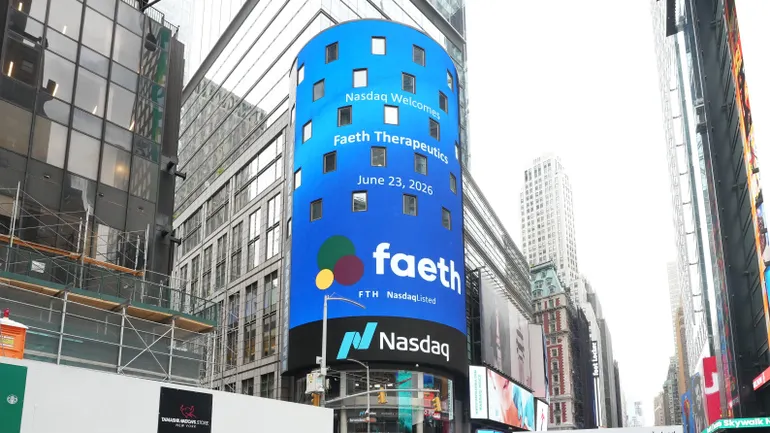
A Wall Street niche is booming as private biotechs increasingly use reverse mergers with public shells to access Nasdaq investors, with roughly two dozen deals announced by August 2026—more than double all of 2025. The strategy, once stigmatized, has gained legitimacy through Fairmount Funds' model of pairing fallen biotechs with well-financed private companies. While IPOs are also rebounding, reverse mergers offer speed and certainty, attracting institutional investors and Chinese-originated assets. However, the supply of high-quality shells may become a bottleneck, potentially affecting which companies get funded and which medicines get developed.
This week's charts show licensing deals between Chinese biotechs and Western drugmakers have surpassed 100 since early 2025, peaking in Q1 2026 with major upfront payments from AstraZeneca, AbbVie, and Roche. Eli Lilly leads 2026 biopharma M&A with a dozen acquisitions, paying at least $31.5 billion, double the next busiest acquirer Gilead. Meanwhile, Alumis and Ultragenyx saw sharp share price drops after mid-stage and rare disease trial failures, respectively.
GSK has agreed to pay Hutchmed $110 million upfront and potentially about $1.19 billion more in milestone payments and royalties for majority rights to HMPL-A830, an antibody-targeted therapeutic conjugate that links an EGFR-targeting antibody to a small-molecule KRAS blocker. Hutchmed reported synergistic anti-tumor activity and durable responses in preclinical testing. The therapy is slated to enter the clinic this year, with Hutchmed overseeing Phase 1 studies and GSK taking over global development outside mainland China, Hong Kong, Macau and Taiwan. The deal adds to GSK's growing oncology portfolio and extends its streak of partnerships with China-based biotechnology companies.
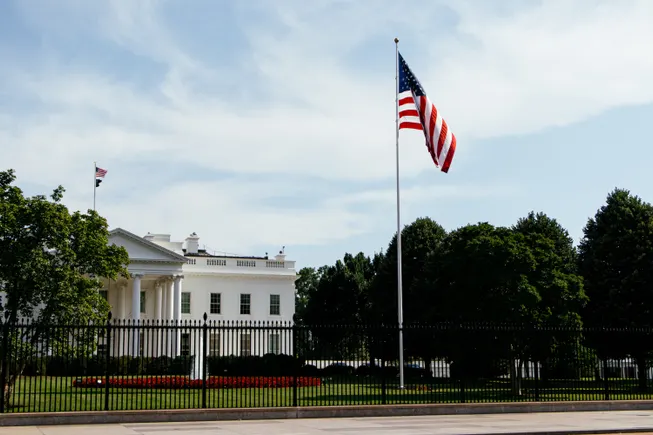
Nine mid-sized drugmakers—Alcon, Astellas Pharma, BeOne Medicines, BridgeBio Pharma, CSL, Kyowa Kirin, Sun Pharma, Teva Pharmaceuticals and UCB—have agreed to participate in the Centers for Medicare and Medicaid Services' GENEROUS program, which links Medicaid prices to the lowest charges paid in other countries, while increasing U.S. manufacturing. In exchange, they are spared from tariffs under Section 232 of the Trade Expansion Act. Some companies also pledged to equalize future drug costs to 'most favored nation' prices and donate active pharmaceutical ingredients to a U.S. reserve. However, the deals don't apply to commercial insurance or Medicare, and Medicaid already pays steeply discounted prices, making the additional impact unclear. Analysts suggest the commercial impact may be minimal, with potential upside for shares as the threat of price controls appears to have abated.
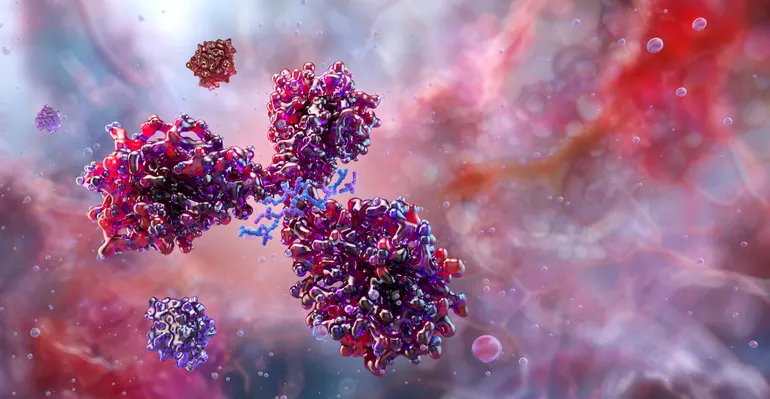
Eli Lilly announced on Monday the acquisition of privately held biotechnology company Merida Biosciences for nearly $2.9 billion in total, including milestone payments. Merida has developed technology that targets and eliminates abnormal antibodies involved in various autoimmune diseases. This acquisition is the 12th corporate deal announced by Eli Lilly since 2026 and its third transaction in the immunology field.
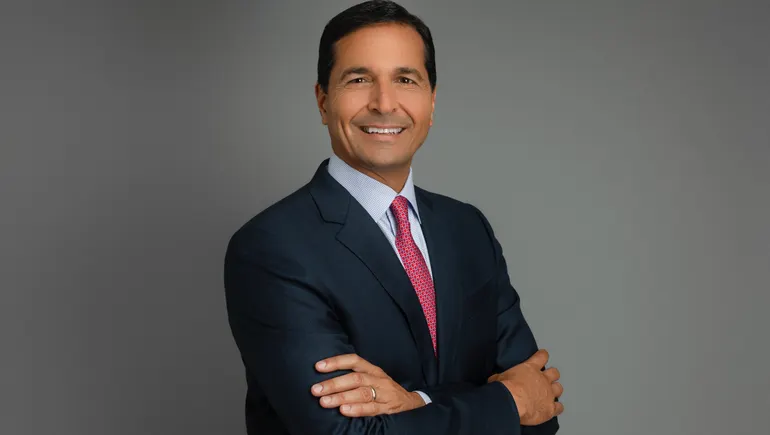
Biohaven has entered into a strategic agreement with SK Biopharmaceuticals to sell the global rights to its Kv7 ion channel technology and lead asset opakalim (for focal epilepsy) for a total transaction value of up to $795 million. The deal includes a $350 million upfront payment, an additional $50 million in 2025, and up to $150 million in development and regulatory milestone payments, while SK will assume potential obligations to Knopp Biosciences. Biohaven retains royalties on future sales and plans to focus on other pipeline programs.
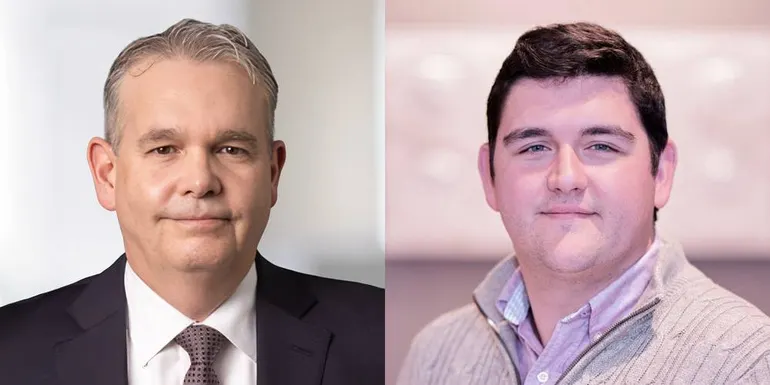
Slate Medicines and Fulcrum Therapeutics have reached a reverse merger agreement. Fulcrum is seeking strategic options after terminating its sickle cell disease drug pociredir, while Slate focuses on developing new migraine treatments. After the merger, Fulcrum shareholders will hold 5% of the shares, and Slate CEO Gregory Oakes will lead the new company. The transaction is expected to close by the end of 2026.
Jazz Pharmaceuticals announced it will acquire Actio Biosciences for an upfront payment of $820 million plus up to $500 million in milestone payments. The latter focuses on treatments for genetic epilepsy. The transaction is expected to close within the year, and Actio will simultaneously spin off an early-stage asset to form a new company.
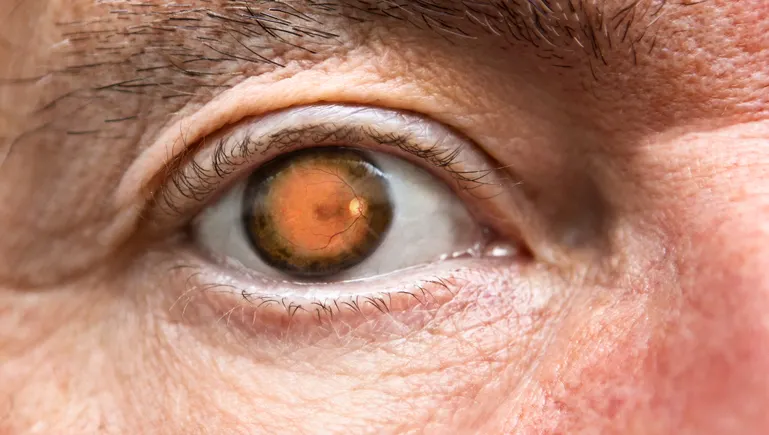
Tarsus Pharmaceuticals announced on Thursday the acquisition of Alkeus Pharmaceuticals, with a total transaction value of up to $800 million, including $270 million in cash and $180 million in stock, plus milestone payments of up to $350 million. Alkeus's core asset is gildeuretinol, an experimental drug for treating Stargardt disease, which has entered Phase III clinical trials. This acquisition marks the end of Alkeus, a startup long operated by an individual.