


Drug Pricing

The Health Resources and Services Administration said Friday that certain 340B drug discounts will be provided as rebates instead of upfront savings beginning in 2027. It is the Trump administration's second attempt to impose rebates in the program after an earlier pilot was abandoned this year due to court losses. Hospitals, including the American Hospital Association and 340B Health, criticized the move, with the AHA saying it is considering all options to block the pilot. The rebate program will apply to 25 medications with a maximum fair price in 2026 and 2027 under the Inflation Reduction Act, including Ozempic and Eliquis, though none are top spending drivers in 340B. Regulators argue rebates are needed to validate discounts as 340B has grown into a multi-billion-dollar system, a stance echoed by drugmakers. Hospitals contend the approach is flawed and will burden providers.

The U.S. Trump administration is again attempting to introduce a rebate mechanism into the 340B drug discount program. HRSA announced on Friday that, starting in 2027, some 340B discounts will be provided as rebates rather than upfront discounts. This is the second attempt after a pilot proposal earlier this year was invalidated following a court loss. Hospital groups have expressed opposition, with the American Hospital Association stating it is considering all available options to prevent the pilot program from taking effect.
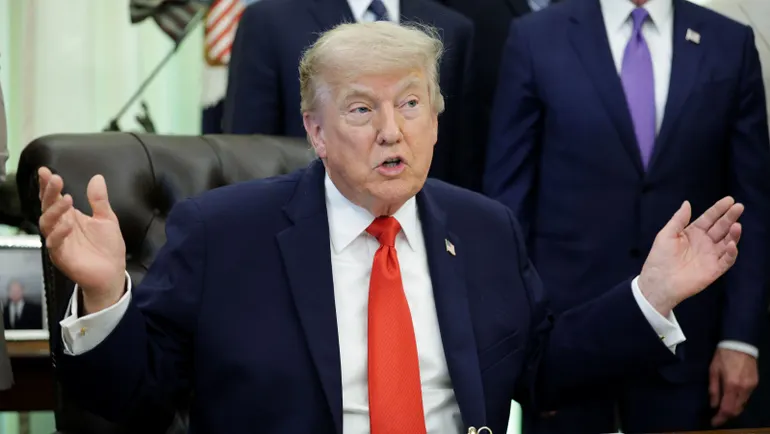
President Trump threatened generic drugmakers with 200% tariffs within three years if they do not shift production to the U.S., according to a Truth Social post. He said 100% tariffs would begin on Aug. 1, 2028, and increase to 200% thereafter. The policy lacks details on legal justification, implementation, or scope, and the Supreme Court ruled in February that Trump cannot unilaterally impose tariffs. Generic drugmakers have thinner margins than brand-name manufacturers, and a Brookings report warns that cost-cutting could lead to shortages or quality risks. The Association for Accessible Medicines said structural problems in purchasing and reimbursement remain inhibitors, while analysts note the impact depends on whether tariffs cover ingredients or only finished products.
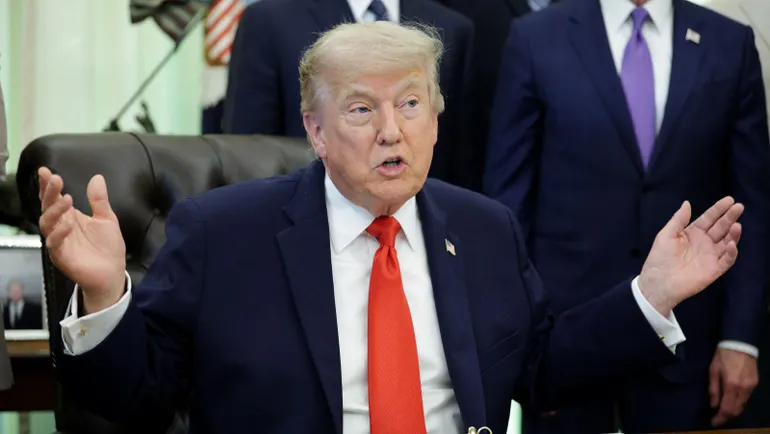
Trump posted on Truth Social, announcing a 100% tariff on imported generic drugs starting August 1, 2028, with the rate rising to 200% thereafter, to force companies to move production back to the US. However, policy details remain unclear, legal basis is questionable, and industry groups and analysts say further observation is needed.
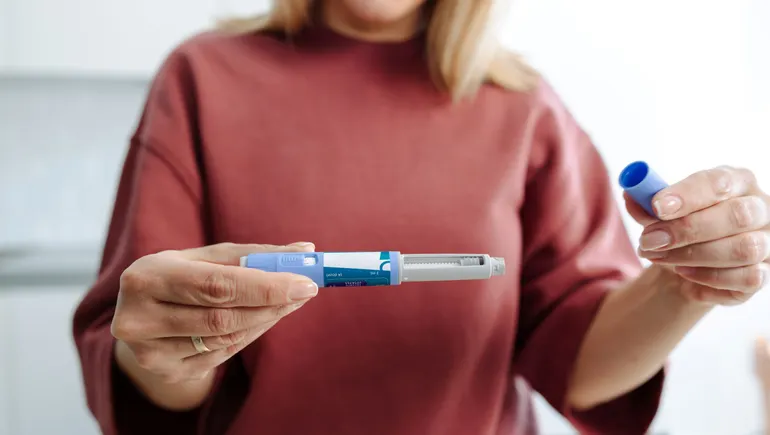
Nearly four times as many Americans are taking GLP-1 weight loss drugs compared to two years ago, but about 20% still use non-FDA-approved compounded medicines, according to a Gallup survey. Compounding pharmacies became a major headache for Novo Nordisk and Eli Lilly starting in 2022 when drug shortages opened the door to cheaper copycats, which peaked at an estimated 30% of the market in 2024. Even after semaglutide and tirzepatide were removed from the FDA's shortage list in late 2024 and early 2025, telehealth companies pivoted to 'personalized' versions. The FDA has issued warning letters, proposed excluding semaglutide, tirzepatide and liraglutide from the 503B Bulks List, and warned about risks of unapproved GLP-1 drugs. A JAMA research letter found many online sellers did not screen patients for risk factors like eating disorder history. Novo filed a patent infringement lawsuit against Hims & Hers, which agreed to stop advertising compounded alternatives and instead offer Wegovy.
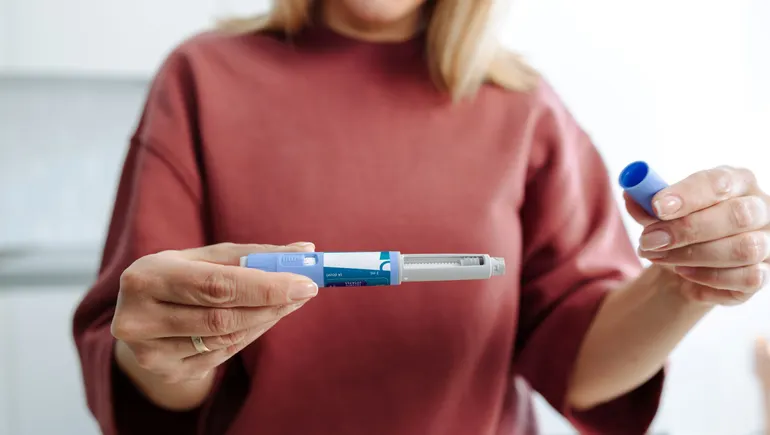
A recent Gallup survey shows that the number of Americans using GLP-1 weight-loss drugs has grown nearly fourfold in two years, but about 20% of users still choose compounded versions not approved by the FDA. Despite pressure from Novo Nordisk and Eli Lilly through patent litigation and FDA regulation, the compounded drug market remains resilient.
CVS Health's Caremark has settled with the Federal Trade Commission over allegations that it favored expensive insulin versions to boost rebates. The settlement requires Caremark to prefer lowest-cost drugs on standard formularies, pass through negotiated savings to clients, offer a rebate-free standard option, and include TrumpRx purchases toward deductibles. It also includes transparency provisions and a monitor to prevent foreclosure of pharmacy hub service providers. The FTC estimates up to $8.5 billion in consumer savings over ten years, plus $4.5 billion from point-of-sale rebate pass-through. Express Scripts settled similarly in February, while Optum Rx is still finalizing its agreement. The deal, which includes no monetary penalties, may accelerate the industry's shift away from rebate models.
Caremark, the pharmacy benefit manager under CVS Health, has reached a settlement with the U.S. Federal Trade Commission (FTC) over an insulin pricing lawsuit, agreeing to reform its business practices, including prioritizing lower-cost drugs on standard formularies, passing drug manufacturer discounts to clients, and adding provisions to prevent excluding independent pharmacies and third-party pharmacy hubs. The FTC estimates the settlement will save consumers approximately $8.5 billion over the next decade, with an additional $4.5 billion from point-of-sale rebate pass-throughs.

Express Scripts and a major pharmacy benefit management lobbying group separately filed lawsuits to block a Tennessee law that prohibits PBM-affiliated pharmacies from operating in the state. The lawsuits claim the law is unconstitutional and would force PBM-owned pharmacies to close, hindering access to prescription drugs for hundreds of thousands of patients. CVS's Caremark had already filed a lawsuit in May.

Express Scripts and the Pharmaceutical Care Management Association have sued to block Tennessee's FAIR Rx Act, which prohibits PBMs from owning pharmacies. The law, set to take effect in 2028, is argued to be unconstitutional and to impede patient access by forcing PBM-owned pharmacies to close. Express Scripts, a Cigna subsidiary, and PCMA filed separate lawsuits in Tennessee federal court, following a similar challenge by CVS Caremark in May. The complaints argue the law discriminates against out-of-state businesses and is preempted by federal statutes like ERISA and TRICARE. The PBM industry has previously succeeded in blocking similar laws in other states.