


Drug Pricing
CMS released a proposed rule on Friday aimed at closing the 'evergreening' loophole where drugmakers extend patent protection through formulation changes. The rule could bring subcutaneous versions of Merck's Keytruda and Bristol Myers Squibb's Opdivo into Medicare price negotiations for 2029 alongside their intravenous versions. However, new formulations may be exempt if intravenous biosimilars enter the market. Halozyme expects minimal impact on its royalty revenue from this rule.
The Centers for Medicare and Medicaid Services proposed a rule that would subject new under-the-skin injections of cancer immunotherapies Keytruda and Opdivo to Medicare price negotiations at the same time as their intravenous counterparts, closing a 'loophole' that allows drugmakers to extend patent-protected life. The rule could immediately affect Merck, Bristol Myers Squibb, and Halozyme, though Halozyme forecasts minimal impact on royalty revenues. The IV formulations of Opdivo and Keytruda, with combined global sales of $41 billion last year, are approaching patent expiration in 2028 and could face biosimilar competition. CMS will release the list of 20 drugs for the 2029 negotiation round by Feb. 1, 2027.
The U.S. Supreme Court ruled 9-0 on Thursday that Hikma Pharmaceuticals did not induce patent infringement in marketing a generic version of Vascepa, supporting the 'skinny label' practice. The ruling may raise the bar for challenging skinny labels, affecting the competitive landscape of the generic drug industry.
The Supreme Court ruled Thursday that Hikma Pharmaceuticals did not violate patent law by marketing a copycat version of Amarin's heart drug Vascepa using a 'skinny label.' The 9-0 decision found that Hikma did not 'induce' use of its generic in an unapproved indication for which Amarin still held patents. The ruling could help protect generic drugmakers from legal threats arising from skinny labeling, a tactic used to speed products to market before broad patent expirations. Amarin had alleged Hikma induced infringement by not doing enough to discourage use of its drug for reducing heart risk. A Delaware court initially dismissed the case, but an appeals court overturned that decision. The Supreme Court's decision raises the bar for challenging skinny labels, according to legal experts.

Evaluate has released the "2026 Rare Disease Drug Report," noting that despite a turbulent regulatory and pricing environment, rare disease drug sales are steadily rising, expected to account for over 21% of global prescription drug sales by 2032, exceeding $400 billion. Policy tailwinds (such as IRA amendments and PRV program reauthorization) support growth, but the FDA has raised evidence standards for cell and gene therapies, and the share of FDA rare disease designations held by Chinese sponsors has risen from less than 5% in 2020 to 15% in 2025, intensifying competition. The pipeline value exceeds $100 billion, but the market share of rare disease drugs is expected to decline from a peak of 30% in 2027 to 22% by 2032.

Evaluate's Orphan Drugs Report forecasts orphan drug sales will exceed $400 billion by 2032, representing over 21% of global prescription drug sales, up from 15% in 2022. Despite a temperamental FDA and competition from blockbusters, policy wins like IRA amendments and the reauthorization of the Rare Pediatric Disease Priority Review Voucher program support growth. Johnson & Johnson is expected to lead with nearly $31 billion in orphan sales, while Argenx is forecast to enter the top ten. The orphan pipeline remains strong, with candidates projected to generate over $100 billion in 2032, though their share of total prescription drug sales is expected to fall from a 2027 peak of 30% to 22% in 2032. China's rising share of FDA orphan designations and complex regulatory standards pose challenges, but fundamentals remain solid with over 95% of rare diseases lacking approved treatments.
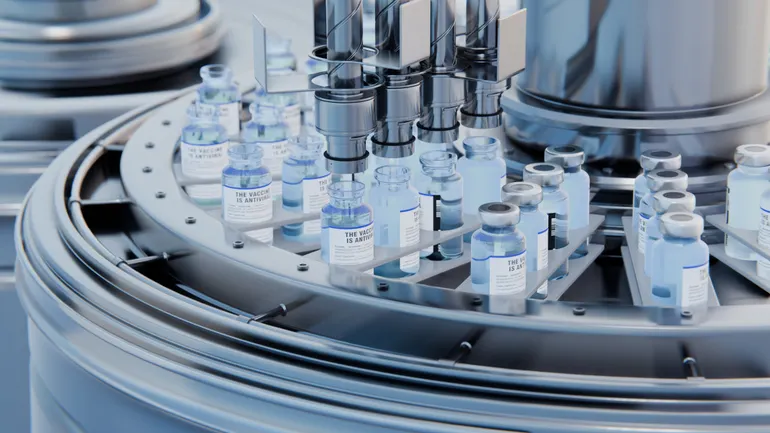
With the largest patent cliff in history approaching, pharmaceutical companies are rethinking mature product management. Strategic outsourcing of regulatory, safety, and quality functions can reduce costs, free internal teams for innovation, and extend product value. Experts from Cencora discuss benefits including lower SG&A expenses, access to specialized expertise, and guidance on reigniting brand value. Case studies show significant workload and cost reductions while maintaining compliance.
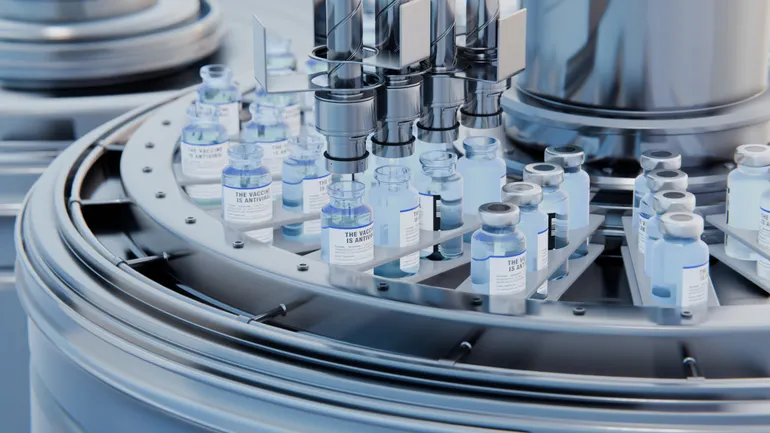
For a long time, pharmaceutical companies have managed mature brands only at a basic maintenance level. However, as the largest patent cliff in history approaches, the revenue share contributed by mature products is expected to continue rising. This article explores how strategic outsourcing of regulatory, safety, and quality functions can help pharmaceutical companies reduce operating costs, access scalable specialized capabilities, and revitalize the value of mature products.

Nektar Therapeutics reported Monday that its experimental autoimmune drug rezpegaldesleukin helped alopecia areata patients who had responded in a Phase 2 trial grow more hair over time. After 52 weeks, 29% of low-dose and 31% of high-dose recipients saw SALT scores drop to 20 or below, versus none of four placebo patients. The data follow a 36-week analysis that missed statistical significance due to four ineligible patients. Nektar's shares rose nearly 25% to just over $105. The drug activates IL-2 to boost regulatory T cells and has also shown promise in eczema. JAK inhibitors are approved for alopecia but linked to blood clots. Nektar said adverse events were mild to moderate, mostly injection site reactions.

Nektar Therapeutics announced on Monday that its experimental autoimmune drug rezpegaldesleukin helped patients who had previously responded to treatment grow more hair during the 52-week extension phase of a Phase II trial for alopecia areata. Although the drug did not achieve statistical significance at 36 weeks, the latest data supports its advancement into later-stage development. Boosted by the news, Nektar's shares rose nearly 25% in early trading, reaching their highest level since 2022.