


Drug Pricing

A new Harvard Medical School study examining Germany finds that President Trump's most-favored-nation drug pricing policy may backfire, pushing U.S. costs higher. The research shows that a 25% increase in German drug prices would add about $6.2 billion to German health insurance spending and raise U.S. Medicaid spending by about $300 million. The study comes as the pharmaceutical industry and the Trump administration pressure Germany to pay higher prices, even as Germany pursues reforms to lower healthcare costs. Germany's National Association of Statutory Health Insurance Funds, which supported the analysis, argues that Germany should retain independence in setting drug prices, as the pharmaceutical industry would be the sole beneficiary of two-way spending increases.
Medicare will cut payment rates for the 340B drug discount program and expand site-neutral policies next year under a final rule released Wednesday by CMS. 340B payments will fall by billions, with Medicare reimbursing participants at average sales price minus 28%, reducing drug spending by about $5.5 billion. Hospital outpatient departments and ASCs will see a 2.3% payment increase, slightly less than proposed. Medicare will also pay the same for more services regardless of setting, including non-contrast imaging, and will remove 637 services from the inpatient-only list. CMS Administrator Dr. Mehmet Oz said the reforms drive affordability, while the American Hospital Association criticized the payment bump and the 340B cuts.
A new KFF analysis finds that average monthly premiums for standalone Medicare Part D plans will jump 50% in 2027, from $34 to $51, if enrollees remain on their current plans. About 25 million seniors rely on standalone Part D coverage, and 10.4 million who don't qualify for financial help will pay more unless they switch. Premiums for available plans range widely, from $6.50 to $204.50, making plan shopping during open enrollment critical. The increase is steeper than the Trump administration's projection of less than $1. KFF also notes that the standard deductible will rise to $700 and that most enrollees will face coinsurance rather than copays. The premium spike could drive more seniors toward Medicare Advantage, which offers lower average premiums but comes with potential downsides like limited networks and prior authorization.
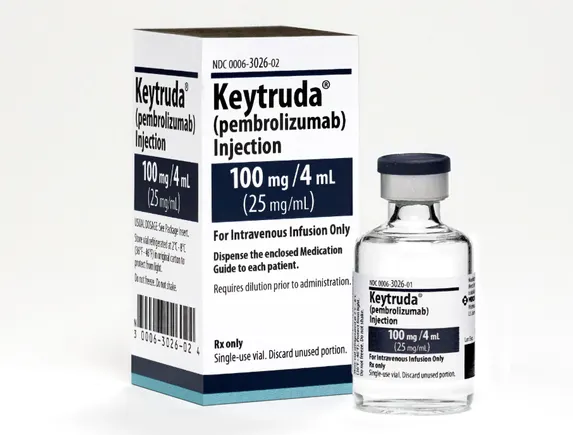
The FDA has accepted the first publicly announced application for a Keytruda biosimilar, FYB206, with potential approval in Q3 2027. About a dozen other candidates are in development as Keytruda's key patents begin to expire in 2028. Despite regulatory support, biosimilars face an uphill battle due to strategic deals between branded manufacturers and PBMs that favor established products, creating anti-competitive incentives. While the FDA's Biosimilars Action Plan and a streamlined development pathway for FYB206 could set a precedent, market hurdles remain. Biosimilars currently hold less than 20% market share despite potential savings, and without unwinding the complex web of deals, competition may not translate into lower costs. Companies may be discouraged from developing biosimilars if the system remains rigged against them.
The Department of Labor finalized a rule on Thursday requiring pharmacy benefit managers (PBMs) to disclose extensive compensation information to self-insured employer clients, including rebates and spread payments. Regulators expect the rule, effective July 2027, to lower drug costs by $22 billion over a decade. PBMs oppose the rule, arguing it is redundant with the Consolidated Appropriations Act of 2026 and burdensome, while employer groups support it as a transparency measure. The rule mandates disclosures during contract negotiations, renewals, and every six months, with annual audits allowed. Noncompliance could lead to financial penalties or contract invalidation. The rule targets the 'Big Three' PBMs that control about 80% of U.S. prescriptions.
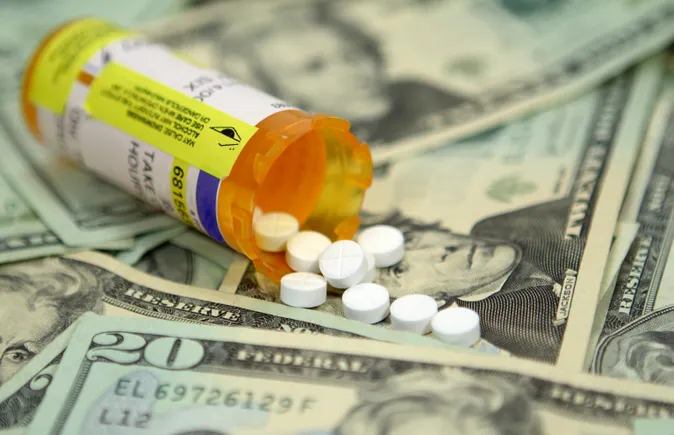
A report from the Institute for Clinical and Economic Review (ICER) finds that two-thirds of new prescription drugs reviewed between 2022 and 2025 launched at prices exceeding its cost-effectiveness threshold. The median net price of new medicines rose from $190,000 in 2022 to $257,000 in 2025, with nearly a quarter of drugs evaluated last year priced above $500,000. ICER calls for fair pricing from drugmakers and streamlined access for patients, noting high rejection rates for prescriptions. The report highlights drugs like Brinsupri and Winrevair as having the largest price-value disconnects, while Journavx and Casgevy are priced within or near ICER's thresholds.

Evaluate forecasting data shows more than $500 billion in worldwide prescription drug sales could face generic competition between 2026 and 2032, with the risk building in waves rather than a single cliff. Merck is most exposed near term as Keytruda nears 2028 expiry, while AbbVie's risk rises sharply in the early 2030s when Rinvoq and Skyrizi lose protection. J&J, Sanofi and AstraZeneca also face significant pressure. The data reveals a multiyear buildup, with $99 billion at risk in 2028 and a peak of $158 billion in 2031. Drugmakers are responding with heavy dealmaking: since 2024, Merck announced $30.9 billion across six deals, Lilly $27.2 billion, AbbVie $22.3 billion, J&J $20.4 billion, Sanofi $16.1 billion and AstraZeneca $6.8 billion.
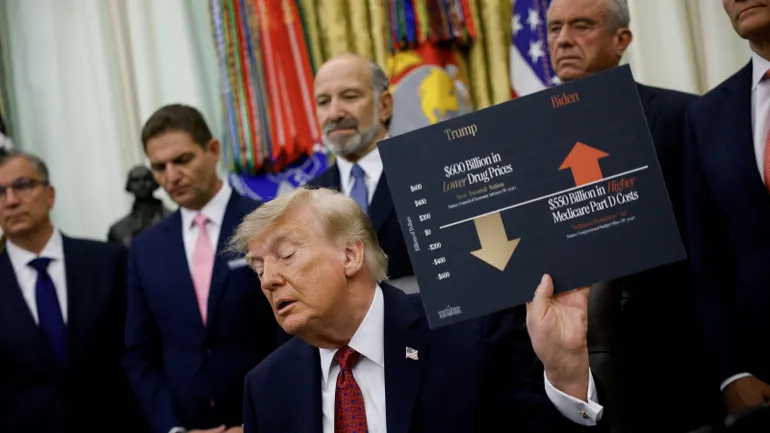
President Trump's most-favored-nation deals with 26 pharmaceutical companies are intended to lower drug prices, but a Mass General Brigham study estimates they could reduce projected Medicare savings by nearly 80%. The agreements may exempt drugmakers from two proposed Medicare payment models, GLOBE and GUARD, which were designed to save $11.6 billion annually. The study's lead author, Dr. Thomas Hwang, notes that exemptions based on companies' disclosures could eliminate a substantial portion of those savings. Additionally, the complexity of the U.S. healthcare system and limited availability of discounted drugs through TrumpRx may hinder patient savings.
The U.S. FDA approved Revolution Medicines' pancreatic cancer drug Rasonque (daraxonrasib) on Wednesday for patients with metastatic pancreatic ductal adenocarcinoma who have received one prior treatment. In clinical trials, the drug nearly doubled median patient survival and has been hailed as a 'game-changing' therapy by oncologists and Wall Street analysts. Rasonque targets RAS mutations through a 'molecular glue' mechanism and is projected to reach peak annual sales of $11.5 billion.
The FDA approved Revolution Medicines' Rasonque for patients with metastatic pancreatic adenocarcinoma who have received one prior treatment and are not eligible for multiagent therapy. The drug, formerly daraxonrasib, nearly doubled median survival compared to chemotherapy in a Phase 3 trial. It targets RAS mutations via a novel molecular glue mechanism. The list price for a 30-day supply is $39,800, and analysts predict peak annual sales of $11.5 billion. The approval was expedited using a special voucher, and European regulators are conducting a phased review.