


Gene Therapy

Gene editing company Scribe Therapeutics has gone public in the first IPO for a gene editing company in more than two years. CEO Benjamin Oakes speaks with BioPharma Dive about convincing investors to back Scribe's scalable CRISPR-based medicines, its first program that switches off a gene involved in high cholesterol rather than permanently altering it, and the human behavior challenges in cardiovascular treatment. Oakes explains the 'MAYA' design principle, why Scribe raised less than other recent IPOs, and how the company aims to make preventive genetic medicine accessible to millions.

The U.S. Food and Drug Administration (FDA) has approved Moderna's world's first mRNA influenza vaccine, mFlusiva (formerly known as mRNA-1010), for the prevention of seasonal influenza in adults aged 50 and older. The approval for individuals aged 65 and above is an "accelerated approval," requiring post-marketing confirmatory studies. Moderna expects the vaccine to be available in the United States before the 2026-2027 influenza season, with reviews currently underway in Europe, Canada, and Australia.

The FDA approved Moderna's mFlusiva, a first-of-its-kind mRNA flu vaccine, for adults 50 and older, with accelerated approval for those 65 and older pending a postmarketing study. The decision follows a tumultuous regulatory path and unanimous support from an FDA advisory committee. Moderna expects the shot to be available in the U.S. for the 2026-2027 flu season.
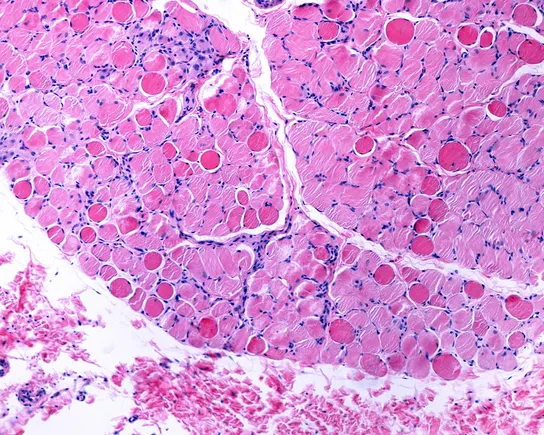
The U.S. FDA advisory committee voted 9 to 3 on Wednesday, determining that Capricor Therapeutics' experimental cell therapy deramiocel failed to provide sufficient evidence of its efficacy for Duchenne muscular dystrophy-associated cardiomyopathy. FDA scientists expressed skepticism about the data submitted by Capricor, despite the therapy meeting its primary goal in a Phase III study. The FDA is expected to make a decision on Capricor's latest submission by August 22.
Sarepta Therapeutics announced that Michael Severino will assume the role of CEO on July 28, succeeding Doug Ingram, who had previously announced his retirement. Severino has held executive positions at AbbVie, Amgen, and Tessera Therapeutics, with over 25 years of experience in the biopharmaceutical industry. Sarepta is currently grappling with declining Elevidys sales, multiple clinical trials failing to meet primary endpoints, and a substantial decline in stock price from its peak. The new CEO's industry background is seen as a key factor in addressing these challenges.

Arrowhead Pharmaceuticals announced that its gene medicine plozasiran met primary endpoints in two Phase III clinical trials for severe hypertriglyceridemia, with median reductions in triglyceride levels of 79% and 81% and a 78% reduction in acute pancreatitis events. The company plans to submit a supplemental application by the end of the year to expand the drug's indication. Analysts call this a 'best-case scenario'.
Vijay Kumar, Acting Director of the Office of Gene and Cell Therapy Review at the FDA's Center for Biologics Evaluation and Research (CBER), will step down, with CBER Acting Director Karim Mikhail temporarily taking over the position to ensure regulatory continuity. Kumar will remain at the FDA. This change occurs during a period of high-level personnel instability at the FDA, following the resignation of Commissioner Marty Makary, the departure of CBER Director Vinay Prasad, and the dismissal of CDER Director Tracy Beth Høeg. Kumar's office reviewed experimental therapies from companies such as Uniqure, Regenxbio, and Atara Biotherapeutics, and his departure may impact the direction of rare disease drug review policies.