


Latest news

Precis Engineering + Architecture, a design firm with offices in Ambler, Pa., and Cary, N.C., has appointed G. Edward Richert, PE, LEED AP, as Director – Engineering Services in Cary. Richert has over 30 years of experience in pharmaceutical and biotechnology facility design and operations on both the owner/client and consulting engineering sides. In his role, he serves as a technical resource across disciplines, supports business development, and oversees project deliverable quality controls. He holds M.S. and B.S. degrees in Engineering Science from the University of Florida, is a registered professional engineer in 11 states, and is a member of ASHRAE and ISPE.

CStone Pharmaceuticals reported a major clinical validation milestone for CS2009, its investigational PD-1/VEGF/CTLA-4 trispecific antibody, at ESMO 2026. Data from more than 300 patients across multiple solid tumors support proof of mechanism, safety, and concept. CS2009 demonstrated an ORR of 87.5% in first-line PD-L1-high NSCLC and 28.0% in heavily pretreated NSCLC, with a median DOR of 10.5 months. In first-line mCRC, combination with XELOX achieved an ORR of 63.6% and DCR of 100%. The safety profile showed low rates of severe CTLA-4-associated and VEGF-related toxicities. CStone plans global Phase III trials by end of 2026 and is seeking partnerships.
Octane Biotech Inc. and Currus Biologics announced the successful automation of the CUR-001 manufacturing process on Octane's Cocoon Platform. CUR-001 is Currus' lead clinical candidate from its BEAT bispecific antibody platform, combining a mesothelin-targeting CAR T-cell therapy with a BEAT bispecific antibody to address solid tumors. The transfer follows FDA clearance of Currus' IND for CUR-001 in September 2026, allowing a first-in-human Phase 1 basket trial in mesothelin-positive advanced refractory solid tumors, with the first patient expected to be dosed in early 2027. The Cocoon Platform is a closed, automated system that reduces hands-on operator time and viral vector usage, lowering manufacturing costs. For the Phase 1 trial, CUR-001 will be manufactured at Cell Therapies Pty Ltd (CTPL) in Melbourne, where technology transfer has been completed. The companies will continue collaborating as CUR-001 advances through clinical development.
CRIO and Eli Lilly and Company won the SCDM Innovation Award in the Clinical Data Science Implementation Excellence category for their collaboration on a global Phase 3 Alzheimer's disease prevention trial. The trial spanned more than 120 sites in five countries and enrolled over 2,000 patients. CRIO deployed its Central eSource platform for the pilot, achieving 70% site adoption, a 59% reduction in on-site monitoring visits, 30% lower cost per monitoring visit, 30-day faster site startup, and a 24% improvement in monitoring effectiveness. Lilly has begun expanding Central eSource to additional studies, and CRIO is incorporating lessons learned to enhance future deployments.
Daiichi Sankyo's antibody-drug conjugates, including Enhertu and Datroway, have made it a leader in oncology and secured major licensing deals with AstraZeneca and Merck. New CEO Hiroyuki Okuzawa plans to leverage these five ADCs to treat over 30 tumor types by 2030 but must also identify the next growth driver beyond ADCs. The company faces execution risks with partnered programs and a declining stock price.
Appian [Nasdaq: APPN] and PSI CRO announced the launch of their first joint AI-powered process orchestration solution that automates clinical trial site identification and selection across therapeutic areas, indications, and geographies. The live solution is the first step in a shared vision to build a scalable platform connecting automation, AI, and process orchestration across the full clinical trial lifecycle. The solution brings previously manual, decentralized steps into a single digital process, integrating with PSI's core systems and data warehouse and Appian's AI and process intelligence capabilities. PSI and Appian plan to evaluate further use cases to extend AI-powered process orchestration across the clinical trial lifecycle.

mzio GmbH announced the launch of mzassist, a vendor-neutral AI and automation control layer for multimodal mass spectrometry data processing on its open-source mzmine platform. mzassist uses the Model Context Protocol (MCP) open standard to connect mzmine to a user's approved MCP-compatible AI assistant, enabling natural-language setup and execution of complete mass spectrometry workflows while keeping raw data on the lab's computer and leaving parameter decisions to deterministic mzmine algorithms. The tool was previewed at the 8th Munich Metabolomics Meeting on October 13, 2026, and will be available with mzmine 4.11 in October 2026, included in mzmine COMMUNITY for academic users and mzmine PRO for commercial customers.
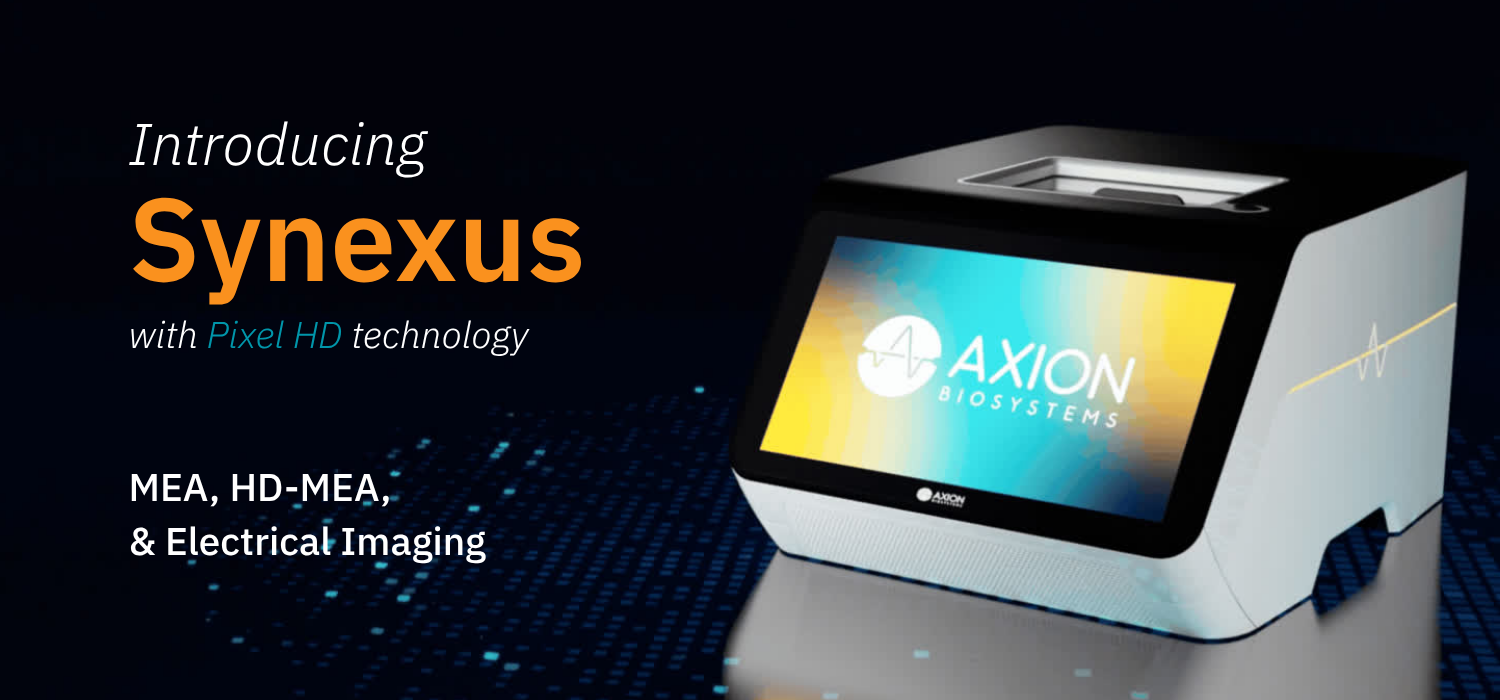
Axion BioSystems announced the launch of Synexus, a first-of-its-kind platform for disease research and therapeutic development. Synexus combines microelectrode array (MEA), high-density MEA (HD-MEA), and electrical imaging to connect function and morphology on the same plate, enabling single-cell resolution in high-throughput, label-free workflows. The platform supports noninvasive assessment of human neural and cardiac cultures, including iPSC-derived cells, and offers Pixel HD technology with more than 138,000 electrodes per well at 12.5 µm spacing across 96 wells. Synexus is designed to help pharmaceutical researchers generate more informative assays for compound prioritization, neurotoxicity and cardiotoxicity assessment, and mechanistic research. It builds on Axion's 15 years of experience and its Maestro MEA technology, with more than 1,500 systems installed worldwide.

Revolution Medicines' daraxonrasib demonstrated a median overall survival of 13.2 months in a Phase 3 trial of patients with metastatic pancreatic cancer, nearly double the 6.6 months seen with chemotherapy in those with RAS G12 mutations. The data, presented at the American Society of Clinical Oncology meeting, were called 'unprecedented' and 'landscape-changing' by experts. The FDA approved the drug, sold as Rasonque, in late August. Daraxonrasib also extended progression-free survival to 7.3 months in RAS G12 patients versus 3.5 months for chemotherapy. The drug's novel mechanism, binding to KRAS in its active state, has propelled Revolution into the upper echelon of biotechnology, with analysts estimating a potential $10 billion market opportunity in pancreatic cancer alone.
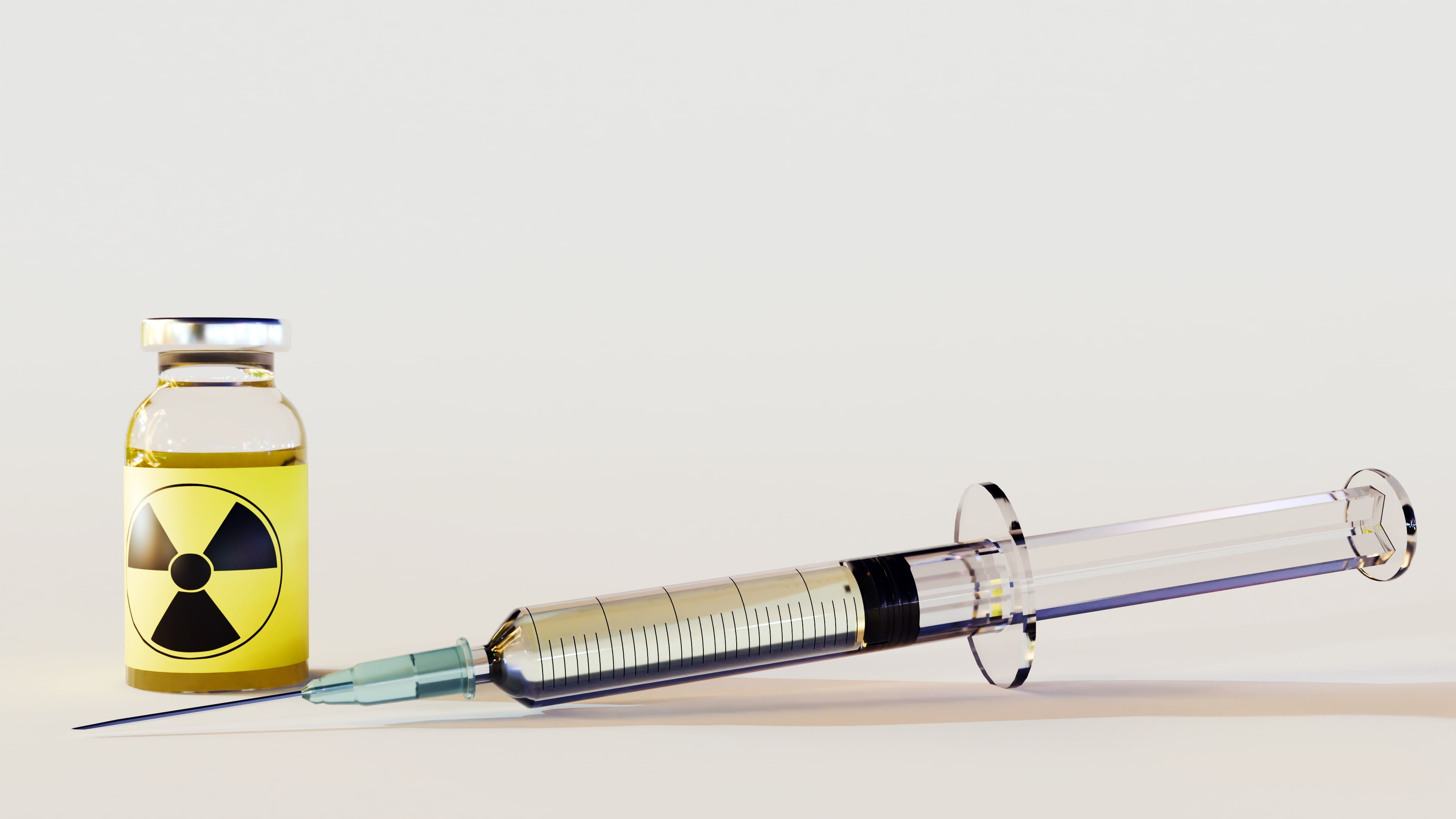
Radiopharmaceuticals are drugs that precisely deliver radioactive material to tumors, offering a targeted punch of radiation. Novartis's Pluvicto, approved in 2022 for prostate cancer, validated the field, but manufacturing and distribution challenges persist. Despite early setbacks, technical advancements and big pharma investments have spurred a wave of startups and renewed interest, with companies like Bayer and Fusion Pharmaceuticals advancing new candidates. This article provides a snapshot of the field's evolution and key players.