


Latest news
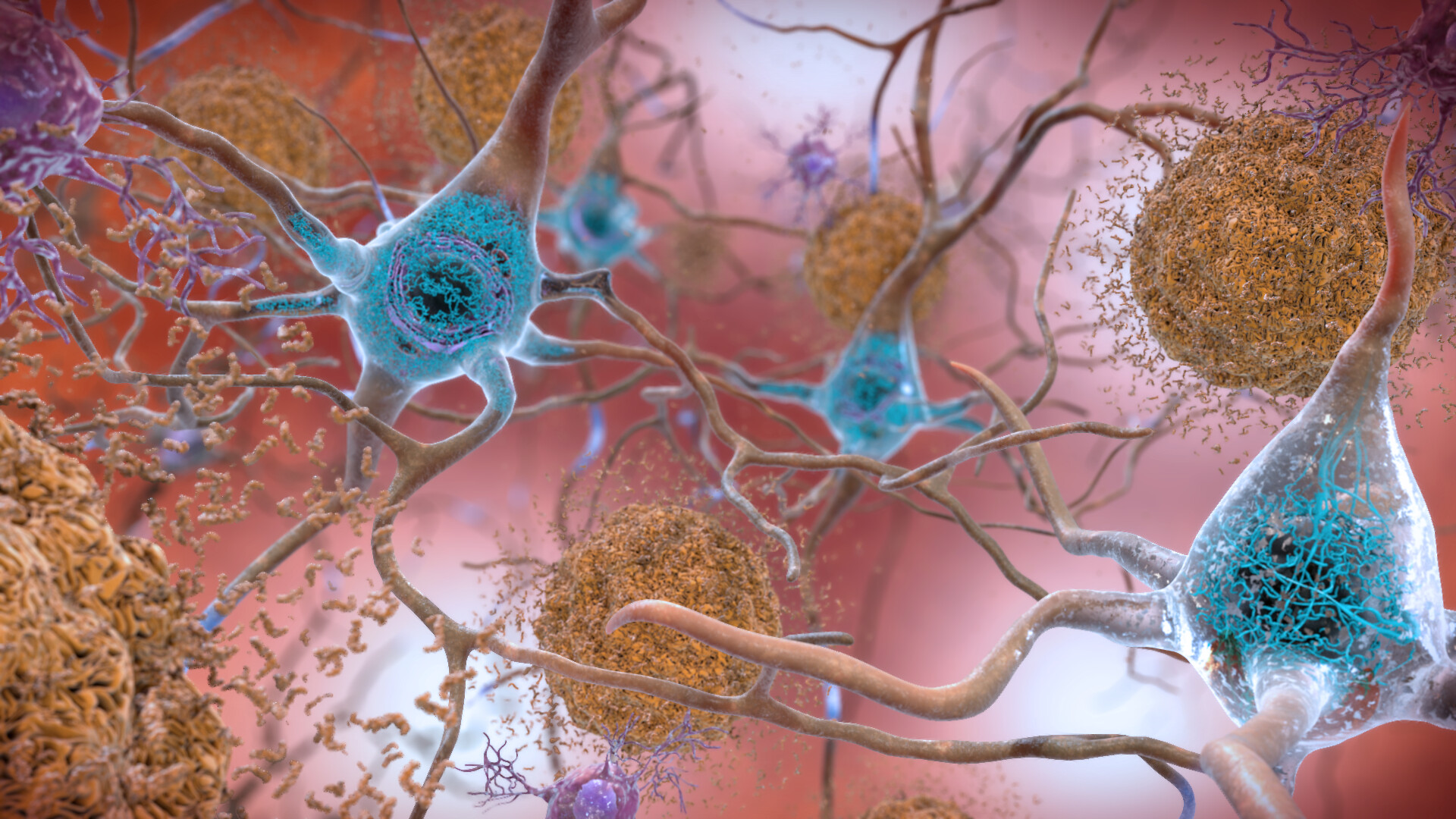
Biogen presented detailed findings from its mid-stage Celia trial of BIIB080, a tau-targeting antisense drug for early Alzheimer's disease. All three doses outperformed placebo on the CDR-SB after 18 months, with the lowest dose showing a 26% slowing of decline—comparable to Leqembi's 27%. However, the trial failed its primary goal of demonstrating a dose-response relationship, and statistical significance for secondary endpoints was nominal. Biogen plans to advance the drug to late-stage testing despite these issues, citing cognitive benefits and tau reduction. Analysts are divided on the investment case, with some questioning the strategic rationale given Biogen's pipeline priorities.

The START Center for Cancer Research and Istituti Fisioterapici Ospitalieri (IFO) have formed a strategic partnership to create a new START early-phase clinical trial site within the Regina Elena National Cancer Institute in Rome. The collaboration aims to expand access to investigational cancer therapies for patients in Rome, the Lazio region, and across Italy. Italy records approximately 390,000 new cancer diagnoses annually but has a lower number of clinical trials relative to its population than several major Western European markets. The Rome site will be START's first in Italy, integrating into its global network of 17 locations and nearly 1,000 active studies. Leaders from START and IFO highlighted the potential to bring early-phase research closer to patients and strengthen clinical research activity in Italy.

The FDA has issued long-awaited draft guidance aimed at accelerating the development of personalized therapies for extremely rare diseases. The guidance details a 'plausible mechanism pathway' that allows approval based on a single well-controlled clinical investigation plus confirmatory evidence, rather than randomized controlled trials, which are often infeasible for ultra-rare conditions. The move follows the case of KJ Muldoon, a baby who received a custom CRISPR-based gene-editing treatment at Children's Hospital of Philadelphia. HHS Secretary Robert F. Kennedy Jr. and FDA leaders highlighted the framework's potential to transform drug development for rare diseases, with expectations of a surge in applications.

Kivo, a GxP-compliant document and process management platform for life sciences, reported over 200 percent growth in biotech sponsors keeping trial master files and regulatory assets on its platform. Sponsors now manage more than 3,000 drug programs in Kivo. The company said its customers attracted more than $3 billion in investment in the last year. Kivo also noted increased sponsor adoption for TMF ownership, influenced by the ICH E6(R3) guideline, and its participation in the CDISC Vendor Committee and TMF Reference Model development.

The biotech sector is showing signs of recovery from a historic downturn, with increased dealmaking and venture funding. At the J.P. Morgan Healthcare Conference, attendees expressed renewed optimism, but also caution that the rebound may not last. Factors such as China's rising biotech ecosystem, FDA unpredictability, and the potential for another bubble were discussed. Experts emphasized the need for discipline to avoid repeating past mistakes.

Woven Health Collective has won a 2026 Healthcare Marketing Impact Award Gold for 'From Clues to Clarity: Recognizing ATTR-CM,' a virtual reality experience created for BridgeBio. Presented by Modern Healthcare and Ad Age, the Technology-Driven Campaign of the Year award recognizes strategic, creative, and results-driven health care marketing. The program helps health care professionals explore the patient experience of undiagnosed transthyretin amyloid cardiomyopathy (ATTR-CM) through immersive technology, combining motion-capture animation, visual and audio cues, and haptic feedback. Developed in four months, it was introduced to BridgeBio's field force and reached HCP audiences at major 2026 conferences, generating approximately 100 unique, in-depth engagements.

Biotech investors have historically bet on M&A, but a growing number of young drugmakers are trying to commercialize their own medicines—and succeeding. BridgeBio, Argenx, Insmed, and Madrigal have all beaten sales expectations, rewarding shareholders who stuck around. Companies like Alumis and LB Pharmaceuticals are weighing whether to launch their own drugs, while Kailera intends to do so. Analysts say this trend reflects a maturing sector, with more companies achieving self-sustaining businesses.

A new Harvard Medical School study examining Germany finds that President Trump's most-favored-nation drug pricing policy may backfire, pushing U.S. costs higher. The research shows that a 25% increase in German drug prices would add about $6.2 billion to German health insurance spending and raise U.S. Medicaid spending by about $300 million. The study comes as the pharmaceutical industry and the Trump administration pressure Germany to pay higher prices, even as Germany pursues reforms to lower healthcare costs. Germany's National Association of Statutory Health Insurance Funds, which supported the analysis, argues that Germany should retain independence in setting drug prices, as the pharmaceutical industry would be the sole beneficiary of two-way spending increases.

AstraZeneca has acquired vaccine startup Omniose for undisclosed terms, gaining bioconjugation technology for conjugate vaccines. The FDA has requested updated prescribing information for GLP-1 therapies to include the potential risk of NAION, a rare vision-loss condition. Compass Pathways has completed a U.S. approval application for its synthetic psilocybin drug COMP360 for treatment-resistant depression. Zura Bio's tibulizumab missed the primary goal of a Phase 2 trial in hidradenitis suppurativa, causing shares to plunge. Abeona Therapeutics acquired a Phase 3-ready eosinophilic esophagitis treatment from Ellodi Pharmaceuticals.

PepGen's PGN-EDODM1 demonstrated an average 46.5% splicing correction in six DM1 patients after 13 weeks, with four exceeding 50%, which the company claims is the highest level ever in a multi-dose DM1 study. Improvements in mobility and muscle strength were also observed, and side effects were mild to moderate. The results suggest potential best-in-class status compared to rivals, though a U.S. partial hold remains a risk. Shares surged more than 90% on Tuesday.