


Latest news

The FDA has approved Journavx, a non-opioid pain drug from Vertex Pharmaceuticals, for acute pain. While doctors and Wall Street see potential, the drug's $31-a-day price and insurers' preference for cheaper generics like opioids may hinder uptake. Vertex argues Journavx offers a safer alternative amid the opioid crisis, but analysts expect limited initial adoption. The launch will test whether a new pain therapy can overcome systemic barriers in a market dominated by low-cost treatments.


US biotech entrepreneurs and executives are increasingly looking to China for drug candidates, as Chinese companies demonstrate faster and cheaper drug development. This trend is forcing US biotechs to differentiate themselves and focus on innovation, with licensing deals reaching record levels. Despite geopolitical risks, experts expect the trend to continue.

The rapid rise of Chinese biotech startups is reshaping the global drug development landscape. American pharmaceutical companies and investment institutions are finding that the number of licensing deals from China has surged, and drug quality has significantly improved, evolving from "me-too" drugs to "me-better" or even first-in-class drugs. Facing geopolitical uncertainties and increasingly fierce competition, American biotech companies must reassess their positioning and focus on truly differentiated innovation.

Endometriosis, affecting about 10% of women and girls globally, remains poorly understood and underfunded. Patients often face diagnostic delays and limited treatment options, with only two new drugs approved in the U.S. in the past decade. Researchers and founders in women's health cite information deficits, historical exclusion of women from clinical trials, and limited investment as key barriers. Recent federal initiatives, including $100 million pledged by the Biden administration, aim to address these gaps, but challenges persist.

Endometriosis affects approximately 10% of women globally, yet related drug research has long been underfunded, facing challenges such as lack of information and inadequate representation in clinical trials. This article examines the challenges and progress in research and development in this field from the perspectives of patients, researchers, and industry professionals.

BioPharma Dive has built a database tracking venture capital funding rounds for private biotechnology companies developing human medicines. The database focuses on rounds involving 26 highly active venture capital firms and covers investments from January 1, 2022, onward. It reveals patterns such as the dominance of cancer investments in 2026, flatlined investment in cell and gene therapy, and a shift toward later-stage biotechs. The database will be updated regularly and includes methodology and limitations.

Drug development is costly and risky, and biotech startups often rely on venture capital to sustain operations. This database tracks investment rounds from 26 active venture capital firms, revealing industry trends.
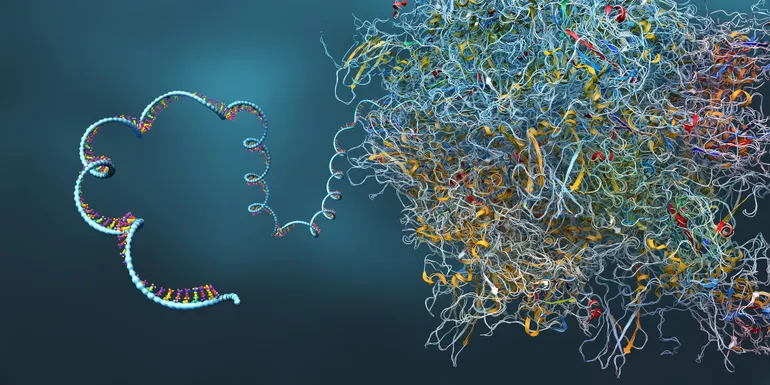
RNA editing, once overshadowed by CRISPR, is now a fast-growing biotech field with about a dozen companies pursuing therapies. Proponents say it may be safer and more flexible than DNA editing, but challenges remain, including limited clinical testing and the transient nature of its effects. Early clinical results from Wave Life Sciences provide initial validation, and large pharmaceutical companies like Eli Lilly, Roche, and Novo Nordisk have shown interest.