

Latest news
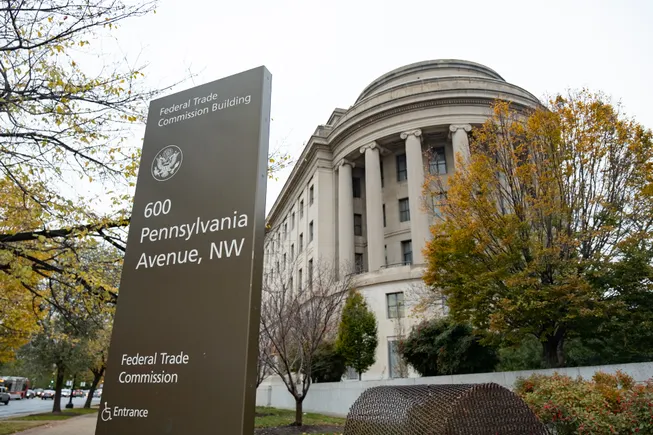
The U.S. Federal Trade Commission (FTC) and regulators in Europe, the UK, and Canada announced in March that they would reassess how pharmaceutical mergers are reviewed, particularly targeting major deals such as Bristol-Myers Squibb's acquisition of Celgene and AbbVie's acquisition of Allergan. Experts expect regulators to pay greater attention to the potential impact of mergers on drug prices, innovation, and the competitive landscape. Although the industry has yet to see a significant impact, the risk is already viewed as a "credible threat."
The U.S. FDA approved Aduhelm, the first new Alzheimer's drug in nearly 20 years, but significant disagreements remain among patients, doctors, and payers over its efficacy evidence, pricing, insurance coverage, and diagnostic capabilities.

The FDA made a historic decision on Monday, approving for the first time a drug aimed at slowing the progression of Alzheimer's disease, aducanumab (brand name Aduhelm). Developed jointly by Biogen and Eisai, the drug's clinical trial results were contradictory, and the FDA did not follow the recommendations of its advisory committee, sparking widespread controversy. Experts expect the drug to profoundly impact the treatment and drug development of Alzheimer's disease, but issues such as its clinical benefits, pricing, and insurance coverage remain unresolved.

Initial public offerings (IPOs) are the core engine driving the biotech industry. Over the past decade, Wall Street has opened its doors to biotech companies, peaking in 2021 when over 100 companies went public, raising nearly $15 billion. Since then, the market has sharply declined, with IPO activity stalling in 2022 and only 11 drugmakers pricing their offerings in 2023. Today, the path to the public market for emerging biotech companies is more rugged. BioPharma Dive uses its database to continuously track which companies successfully go public, create value, or fail, as well as which types of companies yield the best returns and who their investors are.

Over the past five years, three therapies for spinal muscular atrophy (SMA) have been approved sequentially, completely transforming the treatment outlook for this rare neuromuscular disease. From one-time gene therapy to intrathecal injections and oral medications requiring long-term maintenance, each option has its own advantages and disadvantages in terms of efficacy, convenience, and cost. However, due to the lack of directly comparative clinical data, patients and physicians still face many uncertainties regarding 'how to choose.'

A BioPharma Dive analysis of 231 publicly traded biotechnology and pharmaceutical companies shows that CEO compensation grew significantly between 2017 and 2019, with a median increase of about 50%, far outpacing employee compensation growth. The pay gap is particularly pronounced at large pharmaceutical companies, but biotechnology companies, due to higher employee compensation, have a relatively moderate overall gap.

Relay Therapeutics, a five-year-old biotechnology company, has raised nearly $1 billion. Its core method involves simulating protein motion to distinguish similar proteins and design better drugs. This year, the company publicly disclosed its first three investigational drugs, with RLY-4008 showing significantly better selectivity for FGFR2 in preclinical studies compared to existing drugs. However, experts caution that the importance of protein motion has not yet been proven, and the industry's failure rate remains high.