


Latest news

Beam Therapeutics announced that its base editing therapy risto-cel met its primary goal in a pivotal trial, helping sickle cell patients achieve freedom from severe vaso-occlusive crises. The data, from 31 patients with 12 months of follow-up, mark the first positive late-stage readout for base editing. Beam plans to file for FDA approval by year-end. If approved, risto-cel would be the third genetic therapy on the market, competing with Casgevy and Lyfgenia, which have seen slow uptake. Beam's shares fell 10% on the news.
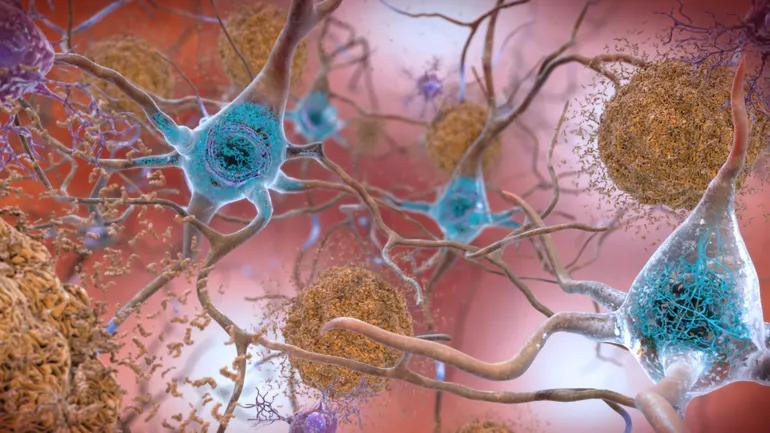
Oyster Therapeutics, a London-based biotechnology startup, has raised $60 million in an extension of its Series A round to support the development of tau-targeting protein degraders for neurodegenerative conditions such as Alzheimer's disease. The company's lead program uses a linker that splits the drug into two small molecules to enhance brain penetration and specifically targets disease-causing forms of tau. Oyster, formerly Kesmalea Therapeutics, is also collaborating with Massachusetts General Hospital to study a neurotoxic form of tau and is exploring applications in cancer and immunology. The Series A-2 round was led by 4BIO Capital with participation from eight other investors, including Eli Lilly.

BIO released 'BioAdvance: Securing America's Biotech Century,' a policy action plan with seven priorities for Congress and the Trump administration to maintain U.S. leadership in biotechnology. The proposal calls for a White House Office of Biotechnology, faster drug development, improved clinical trial infrastructure, increased investment, and stronger support for biomedical research. It comes as China's biotech sector advances, starting over a quarter of global clinical trials and aiming to develop a quarter of first-in-class drugs by 2030. BIO opposes broad restrictions like adding biotech to the COINS Act, arguing they could weaken U.S. competitiveness. Investors and CEOs generally welcome the plan but note that incentives and staffing must align for it to succeed.

The FDA approved Bayer's Sunharbo (asundexian) for secondary stroke prevention in certain adults. The Factor XIa inhibitor reduced ischemic stroke risk by 26% compared to placebo in a study of over 12,000 patients, with similar major bleeding rates. Sunharbo will be priced at $748.50 for a 30-day supply and will be used alongside antiplatelet therapy. Bayer sees stroke neurologists as key to the early rollout, with primary care physicians becoming more important over time. The drug represents a new class of anticoagulants, with competitors like Bristol Myers Squibb and Johnson & Johnson also developing Factor XIa inhibitors.
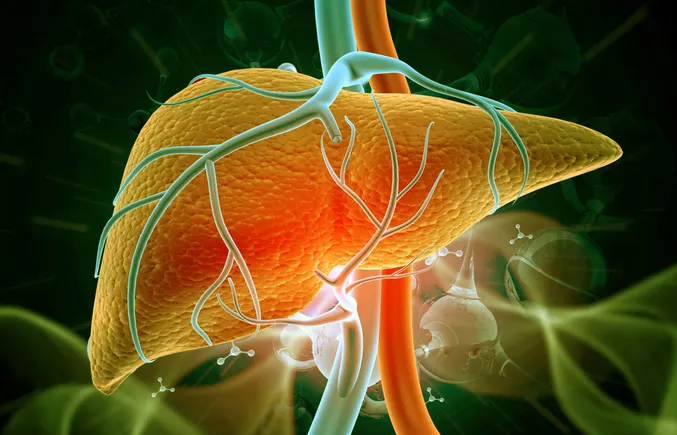
Vir Biotechnology announced that its experimental two-drug combination of elebsiran and tobevibart succeeded in the first of three Phase 3 trials for chronic hepatitis D. After 48 weeks, 44% of treated participants largely eliminated detectable signs of the virus and normalized levels of an important liver enzyme, compared to none in a delayed-treatment cohort. The regimen also met a key secondary endpoint, with 79% of treated patients achieving a treatment response. Two additional Phase 3 trials are ongoing, with data expected early next year, and positive results from all three would support a regulatory submission in 2027. Vir, which initially focused on infectious diseases and brought the COVID-19 antibody drug Xevudy to market in 2021, has since restructured to primarily work on T-cell engagers for cancer but retained its hepatitis D program. Hepatitis D is a liver infection that only occurs in people already infected with hepatitis B and affects about 5% of people with chronic hepatitis B worldwide, according to the WHO. Treatment options are limited but changing, with the FDA approving Gilead's Hepcludex earlier this year and Mirum Pharmaceuticals' acquired drug succeeding in a Phase 3 trial in September. Evercore ISI analyst Cory Kasimov predicted Vir's combination should become the preferred medicine for hepatitis D and a dominant front-line product upon approval, noting the results compare favorably to rival therapies. Vir shares rose about 12% in early Monday trading.

Argenx, a Netherlands-based biotechnology company focused on antibody drugs, has agreed to acquire Unnatural Products, a California-based protein specialist, in a deal potentially worth over $1 billion. The acquisition includes $550 million in upfront cash and up to $595 million in milestone payments. Unnatural Products' platform uses machine learning and screening to engineer macrocyclic peptides, which are larger and more complex than small molecules but can still be taken orally. Argenx plans to use the platform to develop oral, durable medicines for serious immune-mediated diseases. The deal is expected to close before the end of the year. Argenx CEO Karen Massey said the capabilities are highly complementary to the company's antibody engineering. The acquisition follows Argenx's potentially $2.2 billion purchase of Forte Biosciences and signals further focus on pipeline growth and diversification. Shares of Argenx rose nearly 3% by late Monday morning.

Vivek Ramaswamy lost Ohio’s governor race amid a surge of Democratic support. In the final days, six biotech leaders urged him to withdraw a TV ad featuring his opponent’s estranged mother, criticizing it for ignoring documented childhood trauma. The ad had already drawn bipartisan criticism. Ramaswamy defended it. The rebuke from the biotech industry raises questions about his characterization as a “successful biotech entrepreneur.” His company Roivant built a network of drug developers, but Axovant’s Alzheimer’s drug intepirdine failed a pivotal trial in 2017. While Roivant later achieved success with other medicines, the episode highlights the gap between raising money and producing clinical evidence. Roivant’s current CEO publicly disagreed with Ramaswamy’s attacks on the FDA. The article examines these facts and their implications for his political career.
Positive Phase II results clear the way for Phase III development, but a successful transition involves far more than scaling up the clinical program. As studies expand into new countries, decisions about country and site selection, formulation, manufacturing, supply, and regulatory requirements become increasingly interconnected. Phase III readiness requires understanding what needs to change across the development program, which decisions depend on one another, and what can be put in motion before Phase II is complete. Early planning across clinical, regulatory, and manufacturing functions can help teams anticipate dependencies and avoid delays.

As life sciences companies enter the commercial stage, their investments shift toward manufacturing, supply chain, and market expansion. State and local incentives can be a crucial part of investment planning, especially when evaluated before committing to a location. Key incentives include site selection packages, job creation and payroll incentives, manufacturing and capital investment incentives, sales and use tax exemptions, property tax relief, workforce recruitment and training, infrastructure and utility costs, and continued research and product-development activity. The appropriate mix depends on the project type, such as biologics manufacturing, medical devices, distribution, or headquarters. Incentives should be integrated into the investment model and modeled over the project's life, considering factors like upfront cash grants, tax credits, rebates, abatements, training reimbursements, infrastructure support, utility incentives, financing assistance, and permitting support. Manufacturing exemptions, particularly sales and use tax exemptions for qualifying machinery and equipment, are often prioritized due to the capital-intensive nature of commercial-stage projects. Companies should carefully review equipment lists and process flows and establish taxability rules before purchases to ensure exemptions are realized.

Novartis has reported that nine patients with spinal muscular atrophy who received its gene therapy Zolgensma later developed tumors, and two of those cases showed evidence that the adeno-associated virus used to deliver the treatment integrated into patient DNA. The company said it notified health authorities after each case. The FDA announced on Nov. 6 that it is investigating the cases, which involved tumors in the kidney, central and peripheral nervous systems, and areas around the spine. Patient groups SMA Europe and Cure SMA are seeking clearer information. Zolgensma, approved for SMA, has been used in about 6,000 people and remains the most commercially successful gene replacement therapy, though the theoretical risk of cancer from AAV integration has long been a concern in gene therapy research.