


Latest news

Innovation in protein-based molecules is driving the development of novel therapeutics such as antibody-drug conjugates (ADCs), multispecific antibodies, antibody fragments, and recombinant and synthetic peptides. These next-generation molecules offer improved efficacy, enhanced selectivity, and lower toxicity but pose complex manufacturing challenges. ADCs, a rapidly expanding oncology category, require high-potency handling and single-use technologies to ensure safety and reduce cross-contamination. Bispecific and multispecific antibodies, which can bind multiple antigens, show potential in oncology and other diseases, necessitating advanced purification solutions. The article discusses these challenges and solutions, referencing relevant studies and resources.

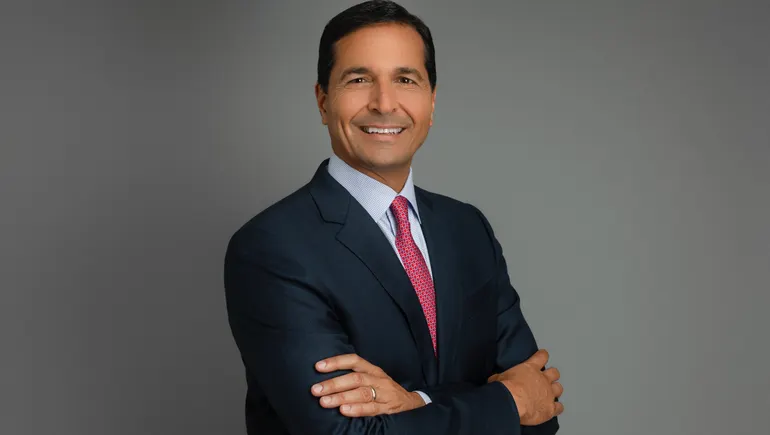
In this article, Ron Scarboro, CEO of Azurity Pharmaceuticals, explains that while the pharmaceutical industry focuses on discovering new molecules, there is another source of innovation and value in established medicines whose potential may have been limited by yesterday's market. He illustrates this with the history of naltrexone HCl/bupropion HCl, an oral anti-obesity medication approved in 2014 that became the most-prescribed branded anti-obesity medication by mid-2015 but whose manufacturer filed for Chapter 11 three years later. Scarboro argues that the market context for obesity treatment has since been transformed by GLP-1s, which changed the conversation around obesity, increased patient awareness, and normalized treatment. Azurity acquired naltrexone HCl/bupropion HCl in June, based on a disciplined view of how the market has changed and how its capabilities can create value. He emphasizes the importance of understanding why an asset underperformed and having a repeatable model to recognize and act on value that others may not see. Innovation, he concludes, isn't only about seeing what comes next but also about looking differently at what is already there.

BioPharma Dive's latest chart series highlights the resurgence of RNA interference (RNAi) drug developers. After more than a decade of little interest, the sector is experiencing an IPO boom, with ADARx Pharmaceuticals and City Therapeutics recently listing on the Nasdaq. ADARx raised $446 million in September, the first RNAi IPO since 2014, while City raised $100 million in a Series B round before its IPO. Venture capital has also flowed to five RNAi startups this year, including AusperBio Therapeutics with a $120 million Series C. Big pharma is placing larger bets as well: Merck KGaA agreed to acquire Silence Therapeutics for over $1 billion, a 130% premium over its closing price, the second-highest premium among larger biopharma deals this year. Analysts see the deal as locking in value and removing execution risk for Silence shareholders.
Moderna and Merck's individualized neoantigen therapy intismeran autogene, combined with Keytruda, reduced the relative risk of disease recurrence or death by 42% compared to Keytruda alone in a late-stage melanoma trial. The results, presented at ESMO after being leaked on social media, met the trial's primary goal but fell short of the 44% reduction seen in an earlier Phase 2 trial and the 40-50% range expected by Wall Street. Moderna's stock fell nearly 25% and Merck's around 1%, though some analysts defended the data as practice-changing. The companies are testing the approach in lung, bladder, and kidney cancers.
Biohaven announced that the FDA has accepted its resubmitted application for Vyglxia, a drug for spinocerebellar ataxia that was previously rejected. The FDA will convene an expert panel and expects to issue a new verdict in the first quarter of next year. The drug, which could be the first approved treatment for the condition, has faced regulatory hurdles in both the U.S. and Europe. Biohaven resubmitted with new positive supportive analyses, and the news sent shares up about 25%. Analysts see the advisory committee meeting as increasing approval chances, especially amid FDA leadership turnover and a stated desire for more flexibility in rare disease reviews.
Compounding pharmacy Apothecary Pharma has issued a voluntary recall of its copycat version of Eli Lilly's obesity drug Zepbound, covering 22 lots of compounded tirzepatide with beyond-use dates from Oct. 8 to Nov. 26. The recall, classified as Class II by the FDA, comes amid efforts by Lilly and Novo to stop sales of compounded GLP-1 counterparts. The FDA has warned about compounded versions, and a recent Gallup survey found about 20% of Americans using these medicines take compounded forms.
Roche on Thursday reaffirmed its full-year outlook and reported third-quarter group sales of 16.1 billion Swiss francs, up 7% and above the 15.8 billion franc consensus. Jefferies analyst Michael Leuchten noted the beat was aided by a new resource planning system and said underlying numbers would seem to be a miss. He added that the results and unchanged guidance raise questions about growth into 2027. Roche is facing threats to top-selling drugs including Xolair, Ocrevus, Tecentriq and Hemlibra, and is betting on pipeline assets such as giredestrant and obesity drugs, while also expanding in China through licensing deals.
The FDA approved Hibsago, a first-of-its-kind RNA-based medicine from GSK and Ionis for certain adults with chronic hepatitis B. In late-stage trials, about a fifth of patients achieved a functional cure when Hibsago was combined with antivirals, compared to none on placebo. The drug requires periodic injections over six months and carries a safety warning for liver inflammation and low platelet counts. GSK has not disclosed the list price, and the drug is already approved in Japan with reviews ongoing in China and Europe.

Roivant subsidiary Priovant Therapeutics will seek regulatory approval for a new indication for brepocitinib in non-infectious uveitis after the drug succeeded in two Phase 3 studies, Clarity-1 and Clarity-2. Patients on brepocitinib went a median of more than 48 weeks before treatment failure versus 12 weeks for placebo, and 40 weeks without needing immunosuppressive steroids. The drug also met all secondary endpoints, including resolving macular edema. Priovant already has FDA approval for brepocitinib as Lisraya in dermatomyositis and plans to submit a supplemental application in the first half of next year. The results mark another win for Roivant, which partnered with Pfizer in 2022 to create Priovant. Analysts see potential peak sales of $5 billion for brepocitinib in non-infectious uveitis.
Rapport Therapeutics’ RAP-219 narrowly succeeded in a mid-stage study of bipolar mania, with patients showing a 3.1-point greater improvement than placebo on a clinical scale. The drug was well-tolerated, with mostly mild to moderate adverse events. Analysts called the result unexpected and potentially worth over $1 billion in peak sales. Rapport plans to discuss the results with the FDA in early 2025 and initiate two Phase 3 trials in the second half of 2027. The drug, which dampens glutamate signaling, previously showed promise in focal onset seizures and is also being explored for other CNS indications.