


Latest news
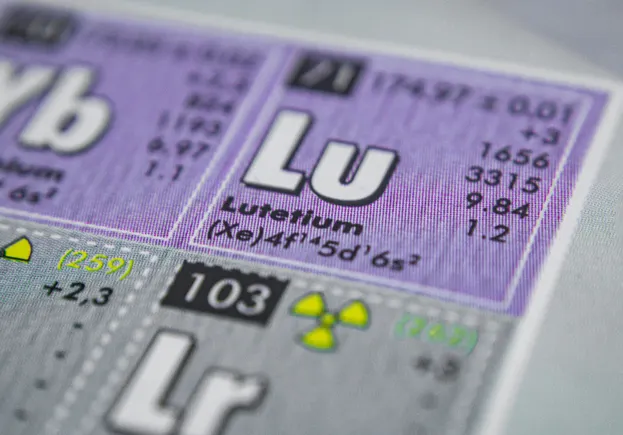
Telix, an Australian radioactive diagnostics seller, announced Sunday it will acquire German radiopharmaceutical developer ITM for $1.65 billion upfront, plus up to $700 million contingent on approval and sales targets for ITM-11. The deal, expected to close by the end of Telix's 2026 fiscal year, will give Telix shareholders about 76.3% of the combined company. ITM-11, a potential rival to Novartis' Lutathera, was rejected by U.S. regulators last month due to manufacturing concerns. The acquisition adds isotope manufacturing and distribution across more than 65 countries, which Telix says will provide greater control over the radiopharmaceutical value chain.

Xenon Pharmaceuticals' stock fell up to 30% after the company paused enrollment in Phase 3 trials of azetukalner for depression due to neuropsychiatric adverse events not seen in earlier testing. The trials will continue with enrolled patients and yield data in early 2027. Meanwhile, the FDA has begun reviewing azetukalner for focal seizures. Analysts believe the depression safety findings likely won't affect the epilepsy review, as other epilepsy drugs carry more serious risks, and some consider the sell-off overdone.

The FDA approved Ultragenyx's Fayuvi, the first gene therapy for Sanfilippo syndrome Type A, priced at $3.95 million. Bristol Myers Squibb discontinued development of ORM-6151, an experimental cancer drug licensed from Orum Therapeutics, after reviewing Phase 1 data. Roche's Lunsumio met its primary endpoint in a Phase 3 trial for follicular lymphoma. Longeveron will conduct a strategic review after its cell therapy laromestrocel failed a Phase 2 trial in heart disease. Rocket Pharmaceuticals reached an agreement with the FDA on modifications to a pivotal study for Danon disease and plans to enroll 9 additional patients.
Novo has signed a deal with fellow Danish company Orbis Medicines to discover multiple macrocycles that could replace injectable medicines, with Orbis eligible for up to $1.4 billion in upfront and downstream payouts plus sales royalties. The companies did not specify the number of drugs or diseases, only that they will pursue unnamed cardiometabolic targets. Macrocycles may help overcome limitations of standard oral peptides, such as poor digestive absorption. The deal is part of Novo's broader reboot after losing leadership in obesity and diabetes to Eli Lilly, which includes CEO changes, layoffs, board reshuffling, a rebranding to drop 'Nordisk' from daily use, and heavy investment in AI. Orbis, which launched with $93 million in January 2025, uses its nGen platform to model and design orally bioavailable molecules.
Novartis will pay $125 million upfront to acquire full ownership of Sironax's blood-brain barrier crossing delivery platform. Sironax, a Boston-area biotech, announced Tuesday that Novartis exercised its option under a prior agreement. Sironax retains rights to develop, manufacture, and commercialize certain assets and will use proceeds to advance three early-stage programs, including SIR2501 for ALS and chemotherapy-induced peripheral neuropathy, which has FDA fast track designation. The deal highlights industry efforts to overcome the blood-brain barrier challenge.

The FDA on Tuesday launched the Expedited Investigational New Drug Pilot, part of Operation Trialblazer, to speed up early clinical trials in the US. The program will select up to 10 qualified research institutions to work with drugmakers on applications for human trials, enabling rolling reviews. The initiative responds to challenges from drug sponsors regarding the time and uncertainty in moving from discovery to first-in-human trials. It aims to counter the trend of conducting early-stage studies in countries like China and Australia, where faster regulatory processes have led to a surge in trials. The FDA will select eight to 10 institution-drugmaker pairings, with applications due by Oct. 30. The program is part of broader US efforts to compete with China's biotech sector.
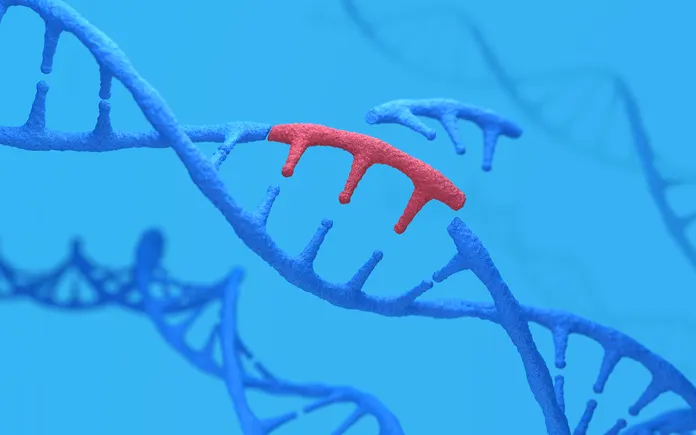
Cellectis is giving up on donor-derived cell therapies and shifting focus to gene editing medicines, citing a materially changed commercial and clinical landscape for CAR-T treatments in blood cancers. The decision ends clinical-stage CAR-T work and moves the company to preclinical gene editing therapies, significantly lengthening its path to market. Cellectis will seek strategic partnerships for lasme-cel and eti-cel, realign its organization, and support existing partnerships with Allogene, Servier, AstraZeneca and Iovance. Its new focus includes HEAL-101, a base editing therapy targeting APOC3 for high triglycerides, and HEAL-201, an epigenetic editing approach to lower PCSK9. Shares fell as much as 43% on the announcement.
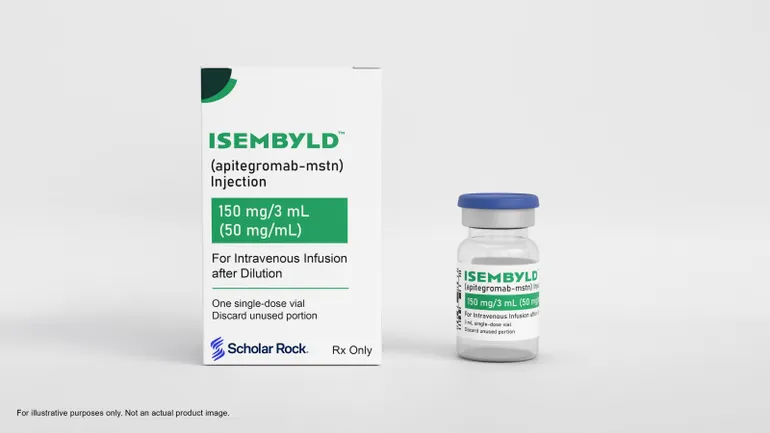
The FDA approved Scholar Rock's Isembyld (apitegromab) for spinal muscular atrophy, to be used alongside existing therapies in adults and children 2 years and older. The drug, priced at about $310,000 annually, blocks myostatin to improve motor function and will compete with Biogen, Novartis, and Roche. Approval followed manufacturing issues that led to a previous rejection, and the label includes a warning for bone fractures.

This week's biotech charts highlight RA Capital Management's aggressive financing pace, including Series A rounds for Solstice Oncology and Tectora Therapeutics; Eli Lilly's venture activity; Novartis' double-digit stock decline following failures in cardiovascular and myotonic dystrophy trials; and a record wave of reverse mergers among drug developers, with roughly two dozen announced so far this year.
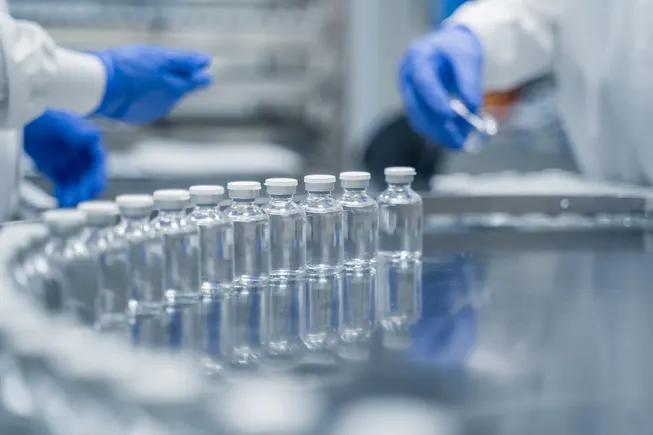
Merck and Moderna's personalized melanoma vaccine showed strong phase 3 results, but bringing individualized mRNA cancer vaccines to market requires overcoming manufacturing challenges, including n-of-1 production, rapid turnaround, and cost control. The recent termination of BioNTech and Genentech's colorectal cancer vaccine trial underscores the difficulty of treating immunologically 'cold' tumors. Experts discuss the need for scalable 'scale-out' manufacturing and chain-of-identity tracking, while pointing to lessons from Provenge's commercial struggles.