


Latest news

At the 2026 European Society of Cardiology (ESC) Annual Meeting, several major pharmaceutical and biotechnology companies presented detailed study data on drugs for various heart diseases. This article reviews three closely watched clinical data sets and their impact on investors and analysts: detailed data from Cytokinetics' Myqorzo Phase III study in non-obstructive hypertrophic cardiomyopathy showed robust efficacy, but the disclosure of specific heart failure events led to a stock price decline of over 7%; Arrowhead's plozasiran demonstrated comparable efficacy and potentially better safety versus Ionis' Tryngolza in two Phase III studies for severe hypertriglyceridemia, with a marketing application expected by year-end; and the detailed analysis following the Phase III failure of eplontersen, developed by AstraZeneca and Ionis, for transthyretin amyloid cardiomyopathy, sparked renewed discussion on the positioning of existing therapies and the prospects of Alnylam's investigational drug.

Verily Health, together with NVIDIA and the NIH All of Us research program, has developed the first multimodal foundation model integrating EHR and genomic data, achieving significant improvements in type 2 diabetes risk prediction, and has open-sourced Forecast™ 1.0 via GitHub, providing an early blueprint for multimodal medical AI.

The U.S. Food and Drug Administration (FDA) has approved updated COVID-19 vaccines from Pfizer/BioNTech, Moderna, and Novavax targeting the XFG variant. Moderna also announced it raised $2.6 billion through the issuance of convertible notes to support its cancer drug business. Additionally, Generate Biomedicines saw a sharp stock decline due to premature disclosure of trial data, ProFound Therapeutics received a $35 million investment from the Gates Foundation, and Gilead's new HIV drug Bixlenvo was also approved by the FDA.

A latest study in the New England Journal of Medicine shows that the RNA drug eplontersen from AstraZeneca and Ionis failed to significantly reduce the risk of death or cardiovascular events in patients with TTR cardiomyopathy, contrasting with the positive data of Alnylam's Amvuttra from two years ago, sparking an industry debate over the actual benefits of RNA drug add-on therapy.

BioPharma Dive launches a new data chart series, with the first installment focusing on the upward trend in biotech M&A and IPOs, as well as the strong recovery of the XBI index after a downturn. Data shows that the number of biotech IPOs in 2026 has already surpassed the full-year total of last year, M&A activity is equally robust, and large pharma companies are accelerating acquisitions of mid-to-late-stage assets to address the patent cliff.
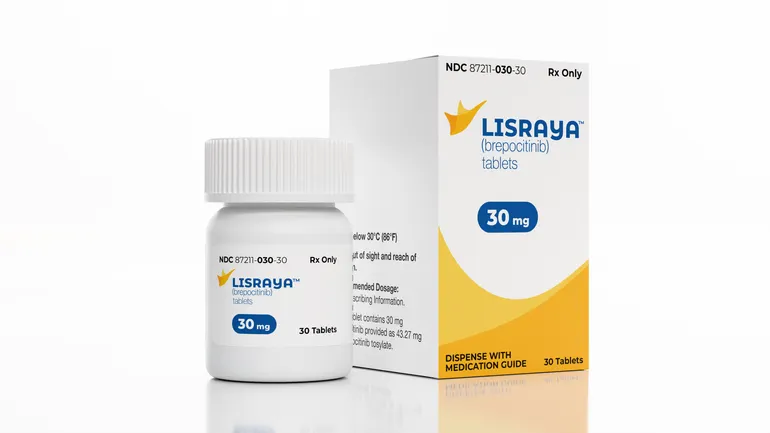
The FDA approved Lisraya (brepocitinib) for dermatomyositis, the first oral therapy for the rare condition. Developed by Priovant Therapeutics and originally discovered by Pfizer, the drug targets TYK2 and JAK1. A 30-day supply is priced at $35,000. In Phase 3 trials, Lisraya improved muscle strength and skin symptoms and reduced steroid use, with a safety profile consistent with other JAK inhibitors. Dermatomyositis affects about 34,000 people in the U.S.
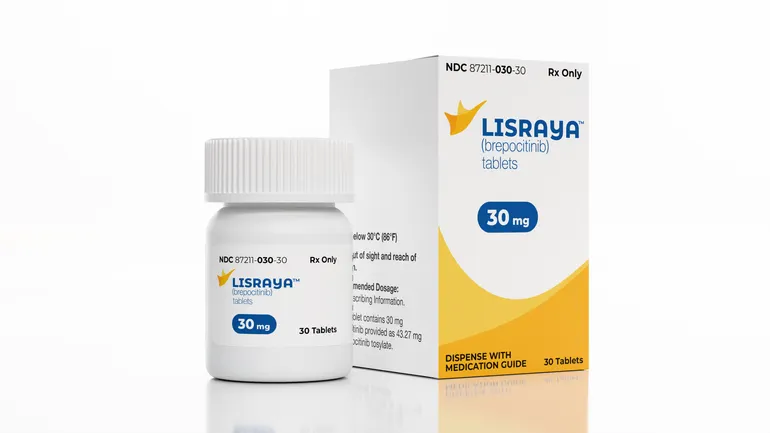
The U.S. FDA on Thursday approved the first oral drug brepocitinib (brand name Lisraya) for the treatment of dermatomyositis, a rare and debilitating skin disease. The drug was initially discovered by Pfizer and licensed to Priovant Therapeutics, a subsidiary of Roivant Sciences. The list price for a 30-day course is $35,000.

Outer Bio recently emerged from stealth mode, with its core technology capable of keeping ex vivo skin tissue alive for about a month and using AI to screen millions of compounds to discover new skincare ingredients or skin disease therapies. Co-founder and CEO Michael Polansky stated that the company deliberately avoids the traditional biotech path, instead focusing on efficient data generation and planning to prioritize the cosmetics market route over pharmaceuticals.
AstraZeneca and Amgen announced that their immunology drug Tezspire met all primary and secondary endpoints in a Phase III trial for eosinophilic esophagitis, and plan to communicate with regulatory agencies and publish detailed data. The drug is already approved for severe asthma and chronic rhinosinusitis, and if the new indication is approved, it will compete with Sanofi and Regeneron's Dupixent.
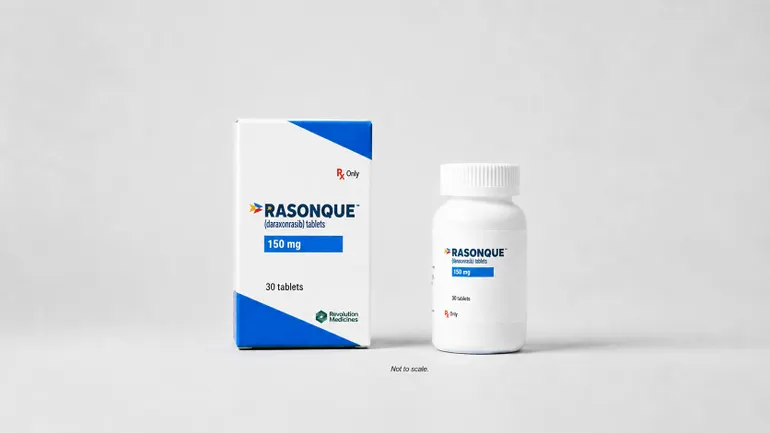
Revolution Medicines' pancreatic cancer drug Rasonque has launched at a higher-than-expected price, and analysts believe it is poised to quickly become a blockbuster and potentially rank among the world's top-selling drugs. The drug is priced at $39,800 for a 30-day course, with an annual procurement cost exceeding $477,000. Evercore ISI projects its sales to reach $2.4 billion next year, and by 2034, sales from the pancreatic cancer indication alone could reach $15.1 billion. If expanded to other cancer types, peak annual revenue could reach $20.8 billion.