


Latest news
The FDA has placed another clinical hold on Regenxbio's gene therapy RGX-121 after investigators detected likely benign masses on the MRIs of five participants treated three to six years ago for Hunter syndrome. The patients are asymptomatic and clinically stable, but the hold follows a January pause and a rejected application. Regenxbio no longer plans to file a near-term application, and shares fell over 25%. The company stresses no clinical or pathological evidence confirms the nature of the findings and is evaluating next steps with partner NS Pharma.
Regenxbio's gene therapy RGX-121 has encountered another FDA clinical hold in clinical trials due to "possibly" benign masses found on spinal MRIs of five subjects. The company stated that patients are asymptomatic and clinically stable, but its plan to resubmit the marketing application in June has been shelved. Previously, the therapy had been placed on hold in January due to safety concerns and was rejected by the FDA in March.
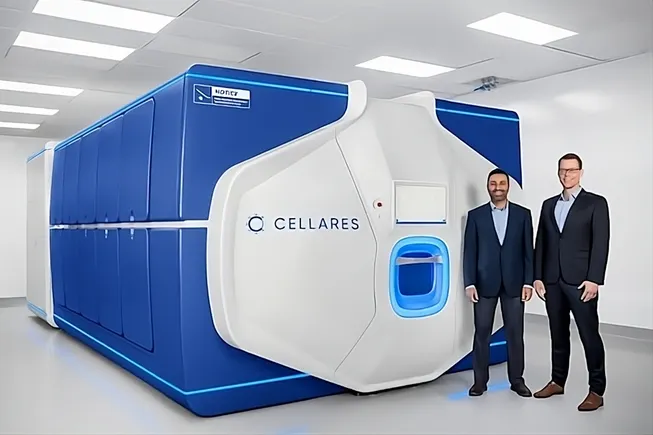
Cellares, a biotech startup focused on cell therapy manufacturing, announced a restructuring two months after completing a $327 million Series D funding round, planning to lay off 100 employees due to the loss of an unnamed pharmaceutical partner. The layoffs mainly affect software engineers, quality control, design, and manufacturing specialists, and are expected to take effect on October 20.
Roche announced a licensing agreement with Hanmi Pharmaceutical to obtain global rights outside South Korea for the novel obesity drug HM17321. The drug aims to promote weight loss while preserving muscle tissue and is considered a next-generation therapy targeting potential deficiencies of GLP-1 class drugs. The deal includes an upfront payment of $190 million, with milestone payments potentially reaching up to $2.3 billion.
This season's podcast brings together experts such as Dr. Maria Carrillo, Chief Science Officer of the Alzheimer's Association, and Dr. Phyllis Ferrell, a brain health innovator, with host Dr. John Harrison to discuss key topics including early detection, blood-based diagnostics, policy equity, sex differences, and the integration of clinical trials with patient care.

As 2027 brand planning kicks off, AI is changing how doctors access information. 81% of U.S. doctors use AI tools, and platforms like OpenEvidence reach 65% of doctors in a single month. Pharmaceutical marketers need to shift from traditional share of voice to answer share (SOA), optimizing budgets based on affinity data and AI platform engagement signals, avoiding blind investment.

This article summarizes the latest developments at Capricor Therapeutics, Bristol Myers Squibb, Eli Lilly, Kynexis, and Network Bio, covering shareholder actions, AI drug discovery collaborations, RNA vaccine development, and financing for emerging companies.

The competition between Eli Lilly and Novo Nordisk in the weight-loss market is extending from the supply side to pricing and public perception. Latest earnings reports and multiple surveys indicate that affordability, physician prescribing preferences, and social stigma are becoming key factors influencing the trajectory of the GLP-1 drug market.
Ultragenyx received FDA approval for Glenglycos, the first gene therapy for glycogen storage disease type Ia. The one-time therapy, priced at $2.7 million per patient, aims to restore a missing enzyme and stabilize blood sugar. The approval comes with a priority review voucher Ultragenyx plans to sell, supporting its path to profitability by 2027. Analysts expect peak sales of $362 million. The company is also awaiting FDA action on UX111 and pivotal trial data for GTX-102.
AstraZeneca announced on Monday the termination of its phase III clinical trial (Evolve Lung 02) of the bispecific antibody drug volrustomig, because an independent data monitoring committee concluded in an interim analysis that the drug combined with chemotherapy was unlikely to improve overall survival in patients with non-small cell lung cancer compared with standard treatment (Keytruda combined with chemotherapy). The drug, one of the key candidates for AstraZeneca's $80 billion sales target by 2030, is still being tested in other phase III trials for mesothelioma, cervical cancer, and head and neck cancer.