


Latest news
The FDA approved Moderna's mFlusiva, a first-of-its-kind mRNA flu vaccine, for adults 50 and older, with accelerated approval for those 65 and older pending a postmarketing study. The decision follows a tumultuous regulatory path and unanimous support from an FDA advisory committee. Moderna expects the shot to be available in the U.S. for the 2026-2027 flu season.
The U.S. Food and Drug Administration (FDA) has approved Moderna's world's first mRNA influenza vaccine, mFlusiva (formerly known as mRNA-1010), for the prevention of seasonal influenza in adults aged 50 and older. The approval for individuals aged 65 and above is an "accelerated approval," requiring post-marketing confirmatory studies. Moderna expects the vaccine to be available in the United States before the 2026-2027 influenza season, with reviews currently underway in Europe, Canada, and Australia.
The Financial Times, citing sources familiar with the matter, reported that AstraZeneca and Bristol-Myers Squibb discussed a merger in recent months, but Wall Street reacted negatively, with AstraZeneca's share price falling over 8% at one point, erasing approximately $22 billion in market value. Analysts questioned the rationale for the deal and noted that antitrust issues and valuation differences could be major obstacles.

The Health Resources and Services Administration said Friday that certain 340B drug discounts will be provided as rebates instead of upfront savings beginning in 2027. It is the Trump administration's second attempt to impose rebates in the program after an earlier pilot was abandoned this year due to court losses. Hospitals, including the American Hospital Association and 340B Health, criticized the move, with the AHA saying it is considering all options to block the pilot. The rebate program will apply to 25 medications with a maximum fair price in 2026 and 2027 under the Inflation Reduction Act, including Ozempic and Eliquis, though none are top spending drivers in 340B. Regulators argue rebates are needed to validate discounts as 340B has grown into a multi-billion-dollar system, a stance echoed by drugmakers. Hospitals contend the approach is flawed and will burden providers.

The U.S. Trump administration is again attempting to introduce a rebate mechanism into the 340B drug discount program. HRSA announced on Friday that, starting in 2027, some 340B discounts will be provided as rebates rather than upfront discounts. This is the second attempt after a pilot proposal earlier this year was invalidated following a court loss. Hospital groups have expressed opposition, with the American Hospital Association stating it is considering all available options to prevent the pilot program from taking effect.
The U.S. FDA advisory committee voted 10 to 3 on Thursday to support Replimune's experimental melanoma treatment drug RP1, finding the efficacy results of its key study to be "assessable and clinically meaningful." Despite earlier concerns from FDA scientists about insufficient efficacy evidence, the majority of committee members believed that the tumor response signals observed in the refractory patient population warranted support. The FDA is expected to make a final approval decision by August 2.
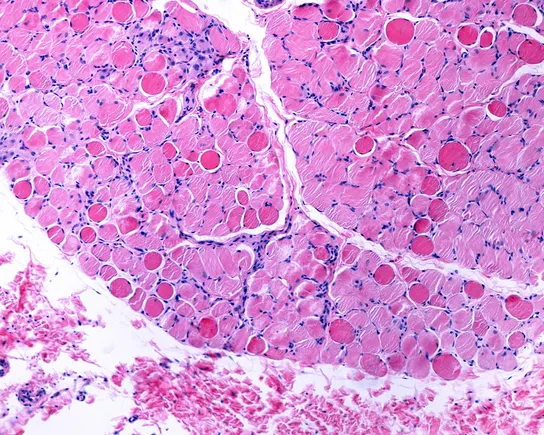
The U.S. FDA advisory committee voted 9 to 3 on Wednesday, determining that Capricor Therapeutics' experimental cell therapy deramiocel failed to provide sufficient evidence of its efficacy for Duchenne muscular dystrophy-associated cardiomyopathy. FDA scientists expressed skepticism about the data submitted by Capricor, despite the therapy meeting its primary goal in a Phase III study. The FDA is expected to make a decision on Capricor's latest submission by August 22.
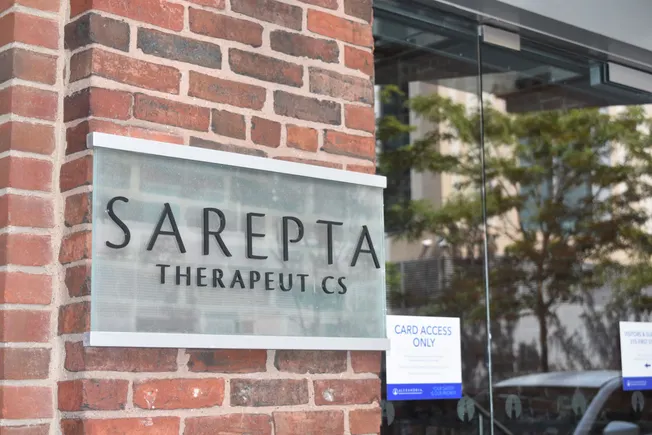
Sarepta Therapeutics announced that Michael Severino will assume the role of CEO on July 28, succeeding Doug Ingram, who had previously announced his retirement. Severino has held executive positions at AbbVie, Amgen, and Tessera Therapeutics, with over 25 years of experience in the biopharmaceutical industry. Sarepta is currently grappling with declining Elevidys sales, multiple clinical trials failing to meet primary endpoints, and a substantial decline in stock price from its peak. The new CEO's industry background is seen as a key factor in addressing these challenges.

Presented by Almac Clinical Services, this six-episode podcast series delves into the end-to-end process of clinical trial supply, from protocol design to patient dosing. Each episode focuses on a key theme: protocol translation, supply strategy, trial kit design, global distribution, quality compliance, and team collaboration, revealing the planning and execution details behind the complex supply chain.

Arrowhead Pharmaceuticals announced that its gene medicine plozasiran met primary endpoints in two Phase III clinical trials for severe hypertriglyceridemia, with median reductions in triglyceride levels of 79% and 81% and a 78% reduction in acute pancreatitis events. The company plans to submit a supplemental application by the end of the year to expand the drug's indication. Analysts call this a 'best-case scenario'.