


Latest news

The biotech industry has long relied on M&A exits, but in recent years, companies such as BridgeBio and Madrigal have achieved better-than-expected sales through independent commercialization, changing investors' entrenched expectations of 'listing to sell.' This article analyzes the strategic considerations, success cases, and industry impact behind this trend.

Nektar Therapeutics reported Monday that its experimental autoimmune drug rezpegaldesleukin helped alopecia areata patients who had responded in a Phase 2 trial grow more hair over time. After 52 weeks, 29% of low-dose and 31% of high-dose recipients saw SALT scores drop to 20 or below, versus none of four placebo patients. The data follow a 36-week analysis that missed statistical significance due to four ineligible patients. Nektar's shares rose nearly 25% to just over $105. The drug activates IL-2 to boost regulatory T cells and has also shown promise in eczema. JAK inhibitors are approved for alopecia but linked to blood clots. Nektar said adverse events were mild to moderate, mostly injection site reactions.

Nektar Therapeutics announced on Monday that its experimental autoimmune drug rezpegaldesleukin helped patients who had previously responded to treatment grow more hair during the 52-week extension phase of a Phase II trial for alopecia areata. Although the drug did not achieve statistical significance at 36 weeks, the latest data supports its advancement into later-stage development. Boosted by the news, Nektar's shares rose nearly 25% in early trading, reaching their highest level since 2022.
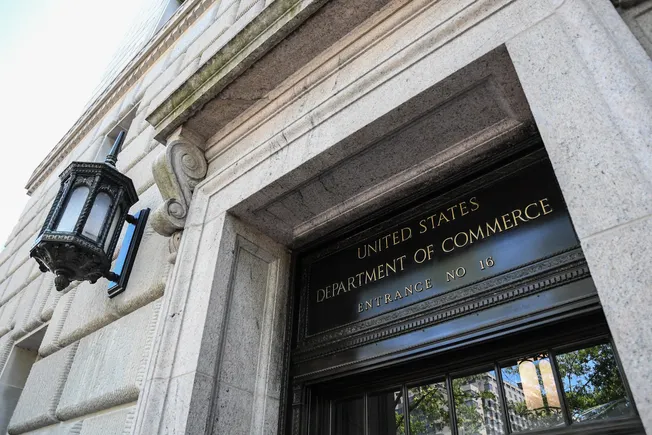
The Trump administration has revived 100% tariffs on imported pharmaceuticals under a national security trade law, but included broad exemptions: drugs from countries with U.S. trade deals, companies with pricing and manufacturing onshoring agreements, and all generics and biosimilars. Companies that have agreed to invest $400 billion in U.S. manufacturing and accept most-favored-nation pricing are exempt, with 13 companies listed. EU, Japan, Korea, Switzerland, and Liechtenstein face a 15% tariff, while the UK will have a lower unspecified rate. Tariffs take effect in 120 days for large companies and 180 days for smaller ones. Analysts see the policy as manageable, though mid-sized biotechs and PhRMA oppose it, and legal challenges may arise. Exemptions sunset in January 2029, creating uncertainty.
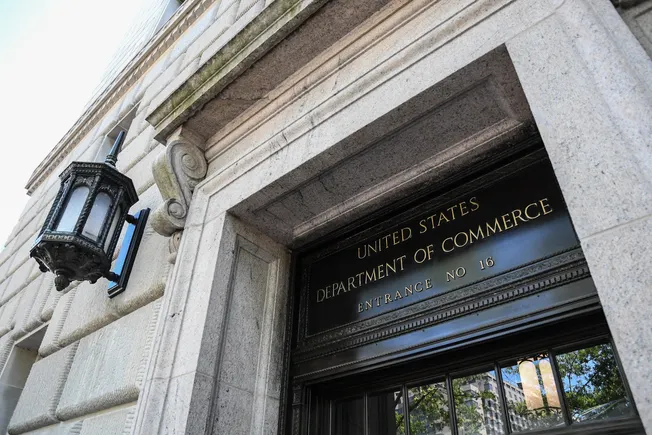
The Trump administration, citing national security trade laws, imposed 100% tariffs on imported pharmaceuticals, but exempted countries with signed trade agreements, companies investing in U.S. manufacturing and participating in pricing agreements, as well as all generic drugs and biosimilars. Analysts believe the policy's impact on the industry is limited, but long-term uncertainty remains.
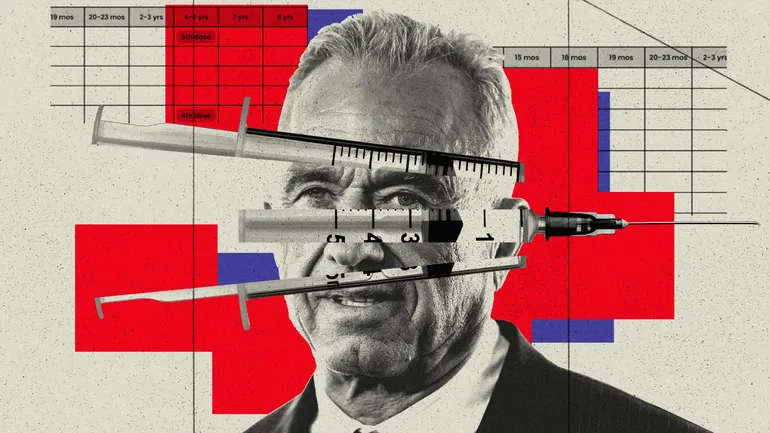
In a five-part series, Healthcare Dive, MedTech Dive and BioPharma Dive examine changes at HHS one year after sweeping layoffs. Former CDC official Demetre Daskalakis says the agency has become a 'hijacked plane' under Robert F. Kennedy Jr., citing the firing of ACIP members, weakened vaccine guidance and the removal of director Susan Monarez. Experts warn of eroded public trust and rising preventable disease outbreaks.

In the year since Marty Makary took over the FDA, the agency has experienced unusual turmoil: five CDER directors, CBER director Vinay Prasad's two departures, and public spats with drugmakers like UniQure. Industry watchers say the volatility and unpredictable communications have added risk to drug development, though HHS defends Makary's record and points to initiatives to streamline reviews.
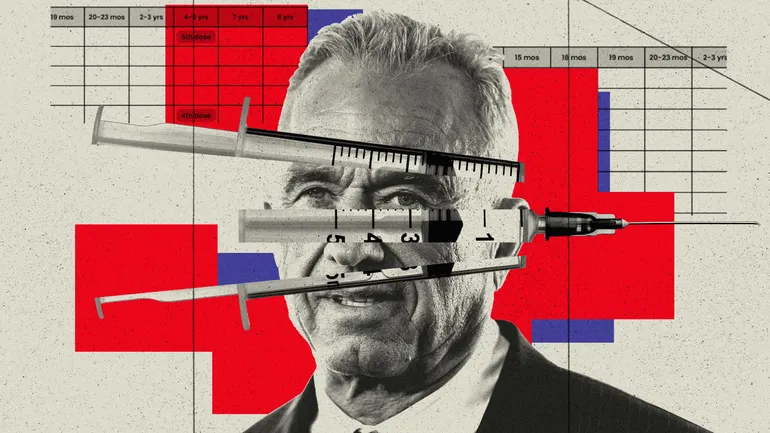

In the year since Marty Makary took the helm of the FDA, frequent personnel changes and unconventional public communications have left the pharmaceutical industry deeply concerned about regulatory predictability. This article, based on a joint investigation by Healthcare Dive, MedTech Dive, and BioPharma Dive, examines the trust crisis facing the agency amid leadership transitions, shifting review policies, and transparency reforms.
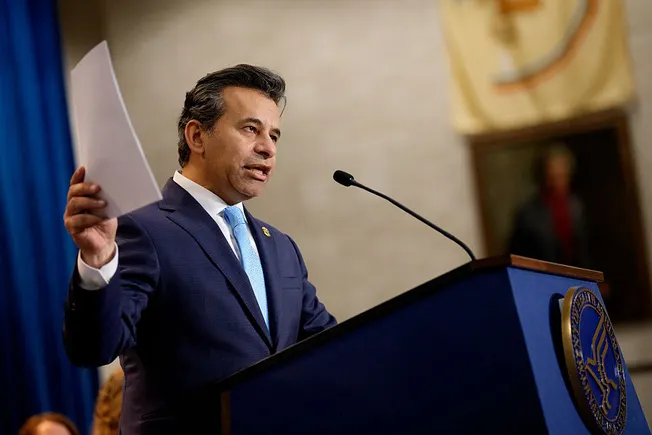
The FDA has issued draft guidance that would lower the bar for biosimilar testing in some cases, allowing companies to use data from a comparator product outside the U.S. and potentially cutting development costs by about half. Since the first biosimilar approval 11 years ago, more than 80 biosimilars have been approved, but their uptake has been uneven due to limited formulary access and patent barriers. The new guidance could pave the way for more approvals, introduce competition, and lower prices for consumers. Biosimilars have shown promise in oncology, where drugs like Keytruda, Yervoy, Opdivo, and Perjeta face exclusivity losses before 2030. However, deep discounts, such as those seen with Humira biosimilars, have created unsustainable margins for manufacturers, raising concerns about diminished competition and higher long-term costs.