


Deep Dive
来自我们记者的行业洞察
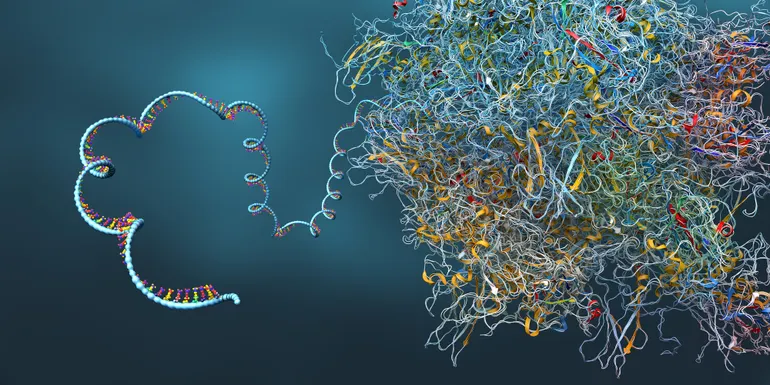
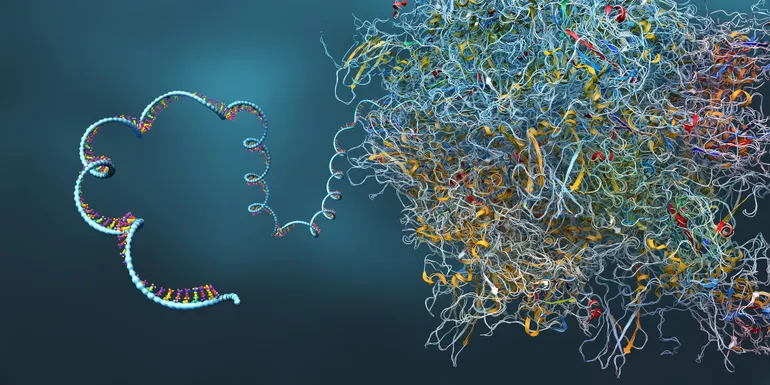
RNA editing, once overshadowed by CRISPR, is now a fast-growing biotech field with about a dozen companies pursuing therapies. Proponents say it may be safer and more flexible than DNA editing, but challenges remain, including limited clinical testing and the transient nature of its effects. Early clinical results from Wave Life Sciences provide initial validation, and large pharmaceutical companies like Eli Lilly, Roche, and Novo Nordisk have shown interest.
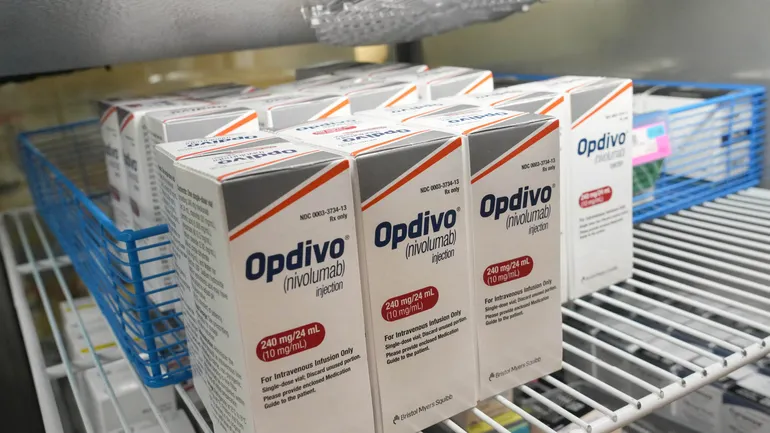
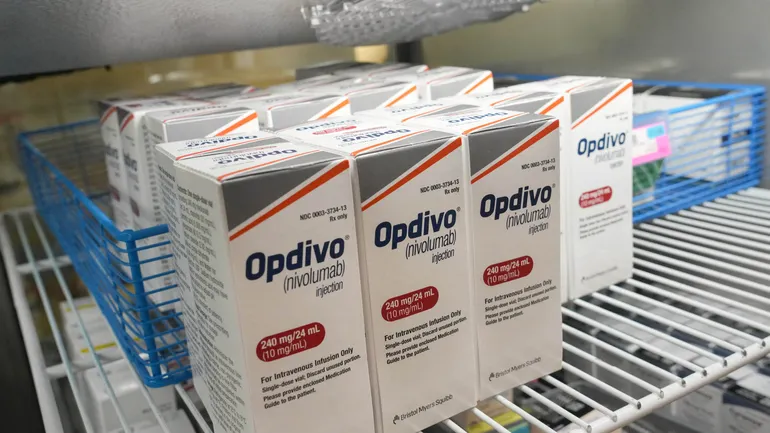
A decade after Keytruda's FDA approval, PD1 inhibitors like Keytruda and Opdivo have revolutionized cancer treatment, offering long-term survival for some patients. However, the field has yet to deliver another breakthrough of similar magnitude, and companies are shifting focus to other approaches.

In the second half of 2024, multiple key clinical trials will see data readouts, covering areas such as obesity, inflammatory bowel disease, schizophrenia, depression, lupus, lung cancer, cardiovascular disease, and cytomegalovirus. The results of these trials may reshape the competitive landscape in related therapeutic areas, affecting the market positions of multiple pharmaceutical companies including Novo Nordisk, Amgen, AbbVie, Bristol Myers Squibb, Biogen, Roche, and Moderna.

The second half of 2024 will bring important clinical trial results across the pharmaceutical industry. Novo Nordisk's CagriSema and Amgen's MariTide will report data in obesity, while Teva and Sanofi's TL1A blocker, AbbVie's emraclidine for schizophrenia, Summit's ivonescimab in lung cancer, Biogen and UCB's lupus drug, Neumora's depression therapy, Roche's lupus treatment, NewAmsterdam's CETP inhibitor, and Moderna's CMV vaccine are also ones to watch.
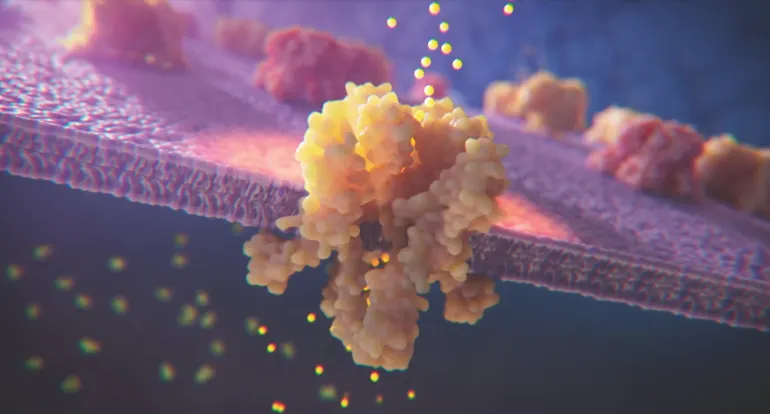
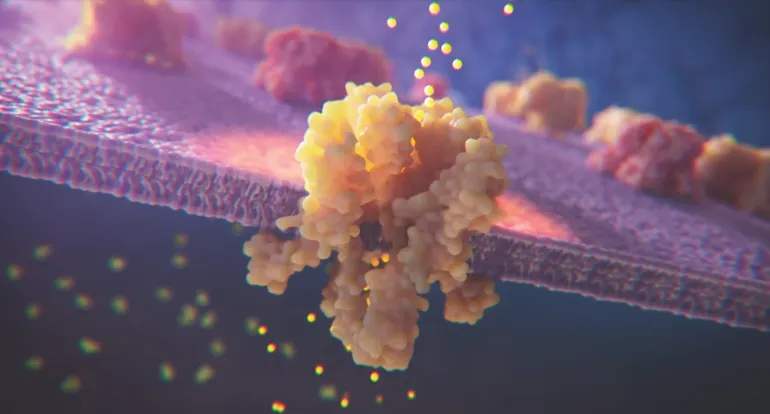
Ion channels, proteins that control electrical signaling in cells, are drawing renewed interest from drugmakers after years of being considered difficult targets. Advances in imaging and automated screening are enabling more precise drugs, and companies like Biohaven, Neurocrine, and Jazz are investing in treatments for epilepsy, tremor, depression, and pain. Vertex Pharmaceuticals leads with its cystic fibrosis therapies and a late-stage pain drug, while new deals and funding rounds signal growing momentum despite past setbacks.

The patent system grants pharmaceutical companies legal monopolies to reward their R&D investments and keep generics off the market for extended periods. As the industry faces a 'patent cliff' with over $200 billion in annual revenue at risk from the late 2020s through 2030, companies are confronting critical choices between boosting R&D or filling gaps through acquisitions. Based on 2025 sales figures, BioPharma Dive has compiled the core patent expiration dates for the top 50 best-selling drugs, detailing its data sources and methodology.

Patents grant drugmakers legal monopolies that keep generic competition at bay and allow higher prices. With a major patent cliff approaching this decade, more than $200 billion in annual revenue is at risk through 2030, forcing companies to decide between investing in R&D or acquiring other drugmakers. BioPharma Dive has compiled a database of upcoming expiration dates for key patents protecting the 50 top-selling drugs by 2025 sales, detailing the methodology and factors such as patent term extensions and thickets that can extend market exclusivity.