


Biotech

Eli Lilly will combine its U.S. and international divisions into Lilly Global Markets, led by Ilya Yuffa, as Patrik Jonsson retires at the end of 2026. Novartis reported a $1.9 billion impairment charge related to del-desiran, an experimental drug acquired in its $12 billion Avidity Biosciences buyout, after a late-stage trial failure. Astellas obtained an option to license Audax Biosciences' DAX-044 for up to $1.05 billion in milestones. The FDA expanded approval of Pfizer's Talzenna with Xtandi for earlier use in metastatic prostate cancer. Prana Therapeutics will go public through a reverse merger with Bolt Biotherapeutics, backed by a $120 million private financing.
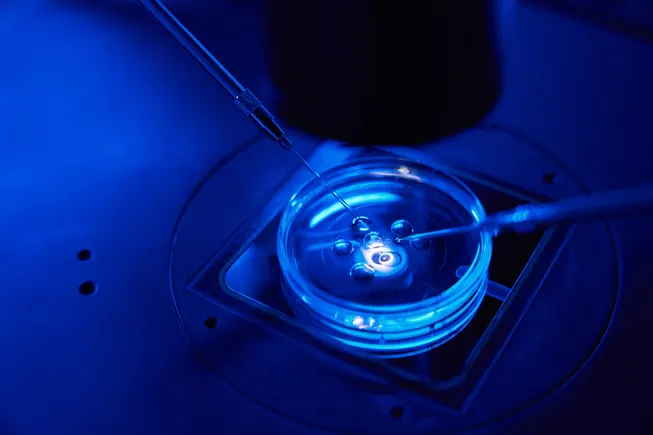
Ferring Pharmaceuticals has agreed to buy fertility treatment startup Gameto in a potentially $1.4 billion deal. The acquisition includes Fertilo, a stem cell-derived technology that aims to simplify and shorten IVF cycles by reducing the need for hormone injections. Fertilo is cleared in Australia and parts of Latin America, with Phase 3 trials underway in the U.S. Gameto is also developing Deovo and Ameno. The deal includes milestone payments and the companies will operate independently until closing.

Artiva Biotherapeutics will lay off most of its staff and stop developing its experimental natural killer cell therapy, AlloNK, for autoimmune conditions after reporting two patient deaths in a clinical trial. The company stated both deaths appear unrelated to AlloNK: one was linked to the chemotherapy fludarabine used in conditioning, and the other was a sudden death not attributed to the therapy or regimen. The FDA requested a pause in the Phase 2a trial, and Artiva also stopped enrollment and dosing in a Phase 3 trial. AlloNK's effects were not durable enough to support continued development. Artiva plans to lay off 94% of its staff, has hired a financial adviser for a strategic review, and held $319.1 million in cash as of September. The news follows setbacks for other cell therapies for autoimmune diseases from Novartis and Bristol Myers Squibb.
Corxel Pharmaceuticals, a drug startup developing weight loss medicines, announced Monday it will go public by merging with special purpose acquisition company Amanat Acquisition Corp. The deal includes a $300 million private investment that will help Corxel take CX11, a GLP-1 pill licensed from Vincentage Pharma, into late-stage testing. In June, Corxel reported that CX11 helped participants in a U.S. Phase 2 trial lose up to 11.5% of body weight after 36 weeks with favorable gastrointestinal tolerability. The combined company will also advance a preclinical amylin-targeting obesity prospect. A third drug licensed from Biogen for acute ischemic stroke is not part of the deal and will remain in a private parent entity. Corxel will name a new U.S.-based CEO in the coming months. The SPAC deal follows a $287 million Series D round less than a year ago, as investors sought a more dedicated focus on obesity. CX11 is positioned as a differentiated, next-generation therapy for people who may not stay on injectable GLP-1s, with a global Phase 3 trial potentially starting in the first quarter of 2027.
Bristol Myers Squibb disclosed that a participant in a multiple sclerosis trial of its experimental CAR-T therapy zola-cel died 44 days after infusion following late-onset motor symptoms and septic pneumonia. The company said no other deaths occurred in its autoimmune trials but the news adds to safety concerns. Separately, the U.S. Treasury proposed rules adding biotech to technologies subject to greater federal scrutiny under the COINS Act, though cross-border drug licensing deals may not be significantly affected. Gilead agreed to pay nearly $1.3 billion for PepStar Therapeutics' experimental immune disease drug HCXT-2001, and Roche licensed Zymeworks' dual-acting antibody ZW209 for lung cancer in a deal worth up to $813 million.

Innovation in protein-based molecules is driving the development of novel therapeutics such as antibody-drug conjugates (ADCs), multispecific antibodies, antibody fragments, and recombinant and synthetic peptides. These next-generation molecules offer improved efficacy, enhanced selectivity, and lower toxicity but pose complex manufacturing challenges. ADCs, a rapidly expanding oncology category, require high-potency handling and single-use technologies to ensure safety and reduce cross-contamination. Bispecific and multispecific antibodies, which can bind multiple antigens, show potential in oncology and other diseases, necessitating advanced purification solutions. The article discusses these challenges and solutions, referencing relevant studies and resources.

This week, licensing deals between Chinese biotech companies and Western pharmaceutical firms remained active, Eli Lilly accelerated its M&A pace, while Alumis and Ultragenyx saw stock declines due to clinical trial failures.

This week's pharmaceutical industry highlights: FDA approved Ionis's Zanvastro for the rare disease Alexander disease; Pfizer signed an ADC co-development agreement with Medicus Pharma; Climb Bio reported positive early data for CLYM116; Revolution Medicines' Rasonque study was published in NEJM; Typewriter Therapeutics secured $56 million in funding; Tscan Therapeutics announced a 75% workforce reduction.
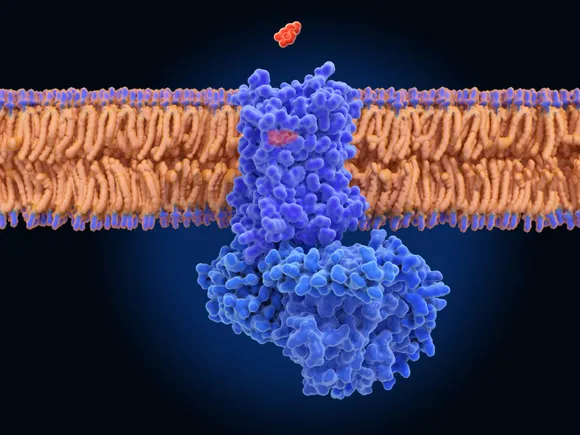
AI drug discovery company Superluminal Medicines announced the completion of an oversubscribed $60 million Series B financing round to advance its first candidate drug targeting rare genetic obesity into the clinic. The drug targets the MC4R receptor and is expected to enter human testing by the end of the year. The company plans to initially focus on Bardet-Biedl syndrome and hypothalamic obesity, with potential future expansion to Prader-Willi syndrome and general obesity.