


Drug Pricing
The Trump administration has revived 100% tariffs on imported pharmaceuticals under a national security trade law, but included broad exemptions: drugs from countries with U.S. trade deals, companies with pricing and manufacturing onshoring agreements, and all generics and biosimilars. Companies that have agreed to invest $400 billion in U.S. manufacturing and accept most-favored-nation pricing are exempt, with 13 companies listed. EU, Japan, Korea, Switzerland, and Liechtenstein face a 15% tariff, while the UK will have a lower unspecified rate. Tariffs take effect in 120 days for large companies and 180 days for smaller ones. Analysts see the policy as manageable, though mid-sized biotechs and PhRMA oppose it, and legal challenges may arise. Exemptions sunset in January 2029, creating uncertainty.
The Trump administration, citing national security trade laws, imposed 100% tariffs on imported pharmaceuticals, but exempted countries with signed trade agreements, companies investing in U.S. manufacturing and participating in pricing agreements, as well as all generic drugs and biosimilars. Analysts believe the policy's impact on the industry is limited, but long-term uncertainty remains.
Since the US FDA approved the first biosimilar 11 years ago, it has cleared over 80 products. The new draft guidance released this week aims to lower testing thresholds in some cases and permit the use of reference drug data from outside the US, potentially cutting development costs by about half. This move is expected to alleviate high prices for biologic drugs, especially in oncology, though patent barriers and thin profit margins remain challenges.
The FDA has issued draft guidance that would lower the bar for biosimilar testing in some cases, allowing companies to use data from a comparator product outside the U.S. and potentially cutting development costs by about half. Since the first biosimilar approval 11 years ago, more than 80 biosimilars have been approved, but their uptake has been uneven due to limited formulary access and patent barriers. The new guidance could pave the way for more approvals, introduce competition, and lower prices for consumers. Biosimilars have shown promise in oncology, where drugs like Keytruda, Yervoy, Opdivo, and Perjeta face exclusivity losses before 2030. However, deep discounts, such as those seen with Humira biosimilars, have created unsustainable margins for manufacturers, raising concerns about diminished competition and higher long-term costs.
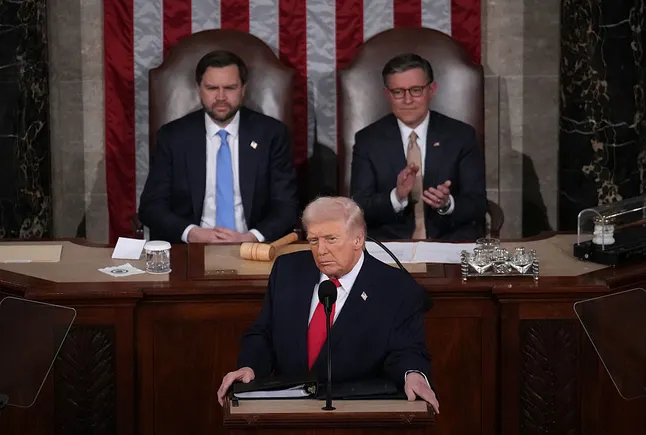
In his State of the Union address, President Trump spent only about five minutes on healthcare, criticizing the Affordable Care Act as a 'rip-off' and urging Congress to codify his 'Great Healthcare Plan' and 'Most Favored Nation' drug pricing deals. He also promoted TrumpRx, his direct-to-consumer drug platform. However, details on the healthcare plan remain vague, and experts note that the policies are unlikely to significantly reduce costs for most Americans. The president did not address other controversial healthcare issues such as vaccine access, research funding cuts, or Medicaid reductions.
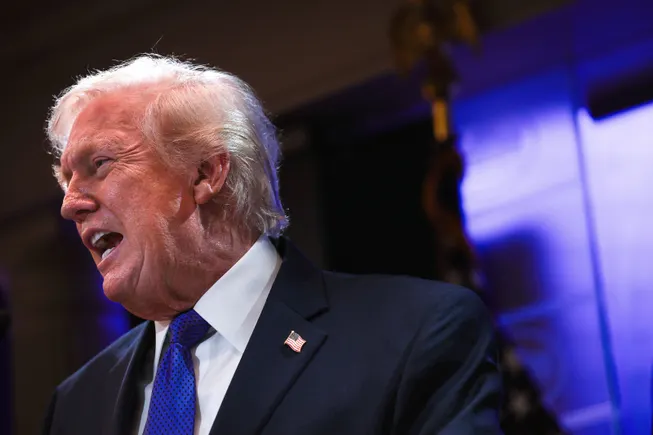
President Donald Trump on Friday signed a proclamation imposing a 10% surcharge on imports entering the U.S., effective Feb. 24 and lasting until July 24 unless extended by Congress, following the Supreme Court's rejection of his previous global levies under the International Emergency Economic Powers Act. The surcharge, authorized by Section 122, includes exemptions for critical minerals, pharmaceuticals, passenger vehicles, certain electronics, aerospace parts, and agricultural products, and does not stack on existing Section 232 tariffs. Trump indicated he might raise the rate to 15%, but no official documentation has been published. U.S. Trade Representative Jamieson Greer said Section 301 investigations into many trading partners would be initiated on an accelerated timeframe.
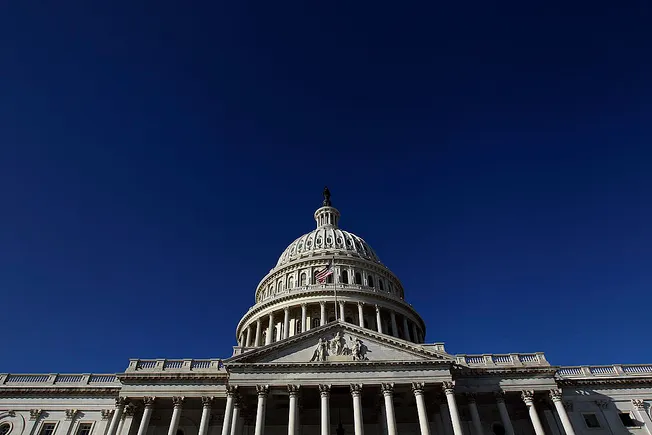
During a House Energy and Commerce subcommittee hearing on Wednesday, lawmakers from both parties decried high drug costs that lead patients to skip care. Democrats criticized Republican and Trump administration policies, including Medicaid cuts, NIH grant reductions, and the lapse of enhanced ACA subsidies, arguing they exacerbate affordability issues. They also questioned the effectiveness of the TrumpRx portal and warned that shifts in vaccine policy and research funding could hinder innovation. The hearing, the second in a series on healthcare costs, focused on the drug supply chain and featured testimony from industry trade groups. Lawmakers on both sides raised concerns about pharmacy benefit managers (PBMs), citing consolidation and opaque practices, while a PBM representative defended market competition.
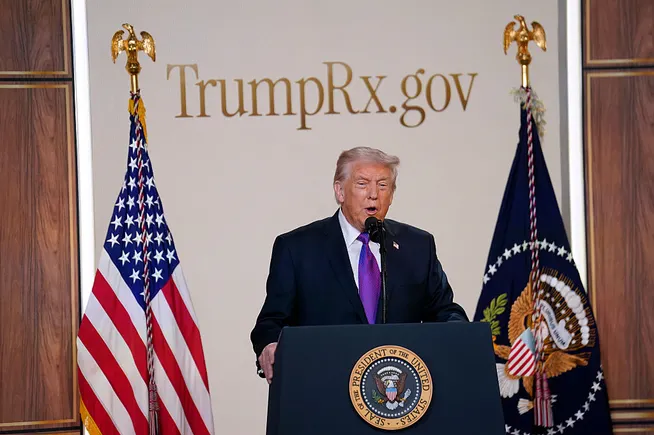
The Trump administration unveiled TrumpRx, an online portal allowing purchases of around 40 drugs from companies like Eli Lilly, Novo Nordisk, Pfizer, Merck, and AstraZeneca that have struck 'most favored nation' pricing deals. The platform offers medications such as Zepbound, Wegovy, and Ozempic, but will have little impact on the vast majority of Americans whose drugs are covered by insurance. Drugmakers gained a three-year reprieve from tariffs in return. Critics call it a 'glorified coupon book,' and the future of the pricing agreements remains uncertain pending a Supreme Court ruling on tariffs.