


Gene Therapy

Caribou Biosciences, a CRISPR gene-editing company, is discontinuing research, laying off staff, and exploring strategic alternatives after failing to raise capital. The decision ends its work on two off-the-shelf CAR-T cancer therapies, including vispa-cel, which was ready for Phase 3 testing. CEO Rachel Haurwitz cited the challenging financing environment for allogeneic CAR-T cell therapies. The company's board will consider mergers, acquisitions, or other transactions, and a substantial workforce reduction will be mostly completed by the end of the year. Caribou, co-founded by Nobel laureate Jennifer Doudna, went public in 2021 but has faced research setbacks and workforce reductions. Despite the promise of vispa-cel and CB-011, investors were unwilling to fund the trial, according to analyst Daina Graybosch.

Beam Therapeutics sued YolTech Therapeutics and Serapha Bio on Sept. 25 in U.S. District Court in Massachusetts, alleging that former employee Zi Jun “Emma” Wang secretly founded YolTech while at Beam and later filed patent applications based on Beam's confidential information. The complaint also names YolTech CEO Yuxuan “Jensen” Wu as a defendant. Beam claims YolTech licensed an AATD program to Serapha that uses base editing technology derived from Beam's trade secrets. Serapha denies the allegations and vows to defend itself. The therapy, SERP-01, targets the same mutation as Beam's BEAM-302.

UniQure lost about $1 billion in market value Tuesday after releasing four-year data from a key trial of its Huntington's gene therapy, AMT-130. The data showed a 44% slowing of disease progression compared to an external control, but the difference was not statistically significant. A separate daily activities scale showed 61% slowing. However, three-year data from 15 patients showed stronger results, with 80% and 67% slowing on two scales. Analysts noted caveats due to missing data in the external control, but some found the results impressive and supportive of accelerated approval. UniQure's stock fell 40% to just below $24.

Roche and Ionis Pharmaceuticals reported that sefaxersen, an antisense oligonucleotide targeting complement factor B, succeeded in a Phase 3 trial for IgA nephropathy, significantly improving proteinuria. The companies plan to present full data at a medical meeting and share with regulators. If approved, sefaxersen would compete with existing therapies like Novartis' Fabhalta and other recently cleared drugs, offering the convenience of monthly self-injection. Analysts view the drug as a potential earnings driver for Roche and a much-needed win for Ionis.

Beacon Therapeutics' gene therapy laru-zova succeeded in a late-stage study of X-linked retinitis pigmentosa, helping a higher proportion of patients read at least 15 more letters on a low-light visual acuity test than untreated participants after one year. The company plans to begin a rolling approval application by year-end, with full data to be presented in October. The trial tested two doses in 85 male patients; 24% on low dose and 31% on high dose achieved the primary endpoint versus none in the control group. Two serious adverse events were attributed to the surgical procedure. Laru-zova is the first and only pivotal trial in XLRP to meet its main goal, according to Beacon.

The FDA approved Ultragenyx's Fayuvi, the first gene therapy for Sanfilippo syndrome Type A, priced at $3.95 million. Bristol Myers Squibb discontinued development of ORM-6151, an experimental cancer drug licensed from Orum Therapeutics, after reviewing Phase 1 data. Roche's Lunsumio met its primary endpoint in a Phase 3 trial for follicular lymphoma. Longeveron will conduct a strategic review after its cell therapy laromestrocel failed a Phase 2 trial in heart disease. Rocket Pharmaceuticals reached an agreement with the FDA on modifications to a pivotal study for Danon disease and plans to enroll 9 additional patients.

Cellectis is giving up on donor-derived cell therapies and shifting focus to gene editing medicines, citing a materially changed commercial and clinical landscape for CAR-T treatments in blood cancers. The decision ends clinical-stage CAR-T work and moves the company to preclinical gene editing therapies, significantly lengthening its path to market. Cellectis will seek strategic partnerships for lasme-cel and eti-cel, realign its organization, and support existing partnerships with Allogene, Servier, AstraZeneca and Iovance. Its new focus includes HEAL-101, a base editing therapy targeting APOC3 for high triglycerides, and HEAL-201, an epigenetic editing approach to lower PCSK9. Shares fell as much as 43% on the announcement.

Merck and Moderna's personalized melanoma vaccine showed strong phase 3 results, but bringing individualized mRNA cancer vaccines to market requires overcoming manufacturing challenges, including n-of-1 production, rapid turnaround, and cost control. The recent termination of BioNTech and Genentech's colorectal cancer vaccine trial underscores the difficulty of treating immunologically 'cold' tumors. Experts discuss the need for scalable 'scale-out' manufacturing and chain-of-identity tracking, while pointing to lessons from Provenge's commercial struggles.
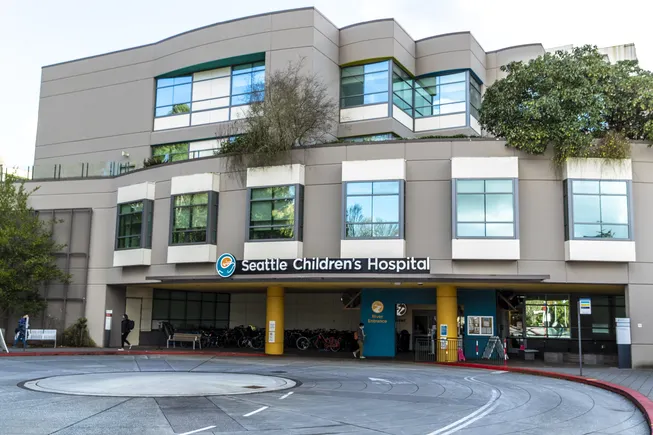
BrainChild Bio, a cell therapy developer focused on CAR-T treatments for children with rare brain cancers, has raised $116 million in a venture financing round. The company, spun out of Seattle Children's Hospital three years ago, is developing two brain cancer cell therapies specifically for children. Its lead candidate, BCB-276, is in Phase 2 testing for diffuse intrinsic pontine glioma (DIPG), a rare and deadly brain stem tumor. Another treatment, BCB-214, is in preclinical development for glioblastoma and is expected to begin human testing next year. The financing round was led by an unnamed private family fund and foundation, with participation from Seattle Children's and the venture arm of the Washington Research Foundation.
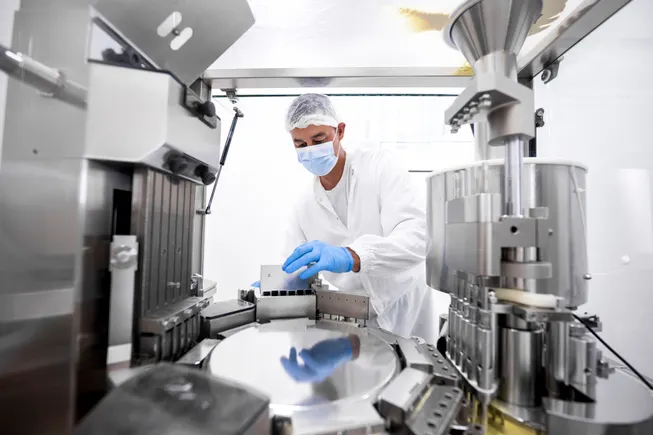
Autologous CAR-T therapy faces a unique "horizontal scaling" challenge in commercial expansion: each additional patient requires a new personalized production batch, rather than simply increasing batch size. The rapid growth of Carvykti from Legend Biotech and Johnson & Johnson highlights the highly coupled complexity of manufacturing, testing, logistics, and clinical scheduling. The industry is attempting to overcome this scaling bottleneck through automation, standardized processes, and new approaches such as in vivo CAR-T.