


Gene Therapy
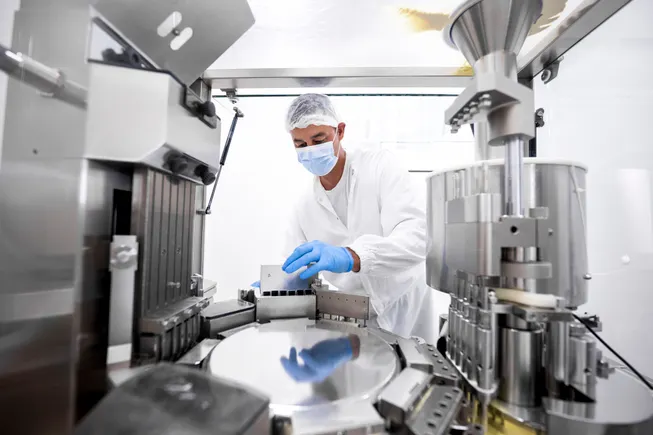
Carvykti's second-quarter net trade sales reached $657 million, up 50% year over year, but growth still depends on adding thousands of patient-specific manufacturing runs rather than producing larger batches. Industry experts explain that scaling autologous cell therapy requires coordinating patient cells, manufacturing slots, quality testing, logistics and treatment center schedules. Legend Biotech has expanded its manufacturing network to four sites and reports a 99% success rate and 29-day median turnaround time in the U.S. The FDA's 2025 removal of risk management requirements for some CAR-T therapies may ease downstream access, but upstream coordination remains critical. Developers are advised to address manufacturability early, and next-generation in vivo CAR-T approaches could shift much of the burden to standardized vectors.

Novartis and Bristol Myers Squibb have paused multiple trials of their CAR-T therapies in autoimmune disorders following safety incidents, including three deaths in Novartis' case. The news has raised investor questions about the broader autoimmune cell therapy landscape, prompting companies like Kyverna, Cabaletta, and others to emphasize differences in their manufacturing processes and trial designs. Analysts suggest that faster production methods may be linked to the safety issues, while traditional processes and allogeneic approaches could offer safer profiles.
UniQure announced on Wednesday that it has submitted a marketing application for AMT-130 gene therapy, which could become the first drug to treat the underlying cause of Huntington's disease. The company is seeking FDA priority review and accelerated approval, based on three-year data showing the therapy significantly slows disease progression. Previously, new FDA leadership had questioned its data and required a new double-blind trial, but later shifted stance after leadership changes. Analysts believe regulatory risks remain, but avoiding sham surgery controls makes confirmatory trials more feasible.
UniQure has submitted applications to the FDA for its AMT-130 gene therapy, potentially the first approved treatment targeting the underlying cause of Huntington's disease. The company is seeking priority review and accelerated approval based on three-year data showing AMT-130 may significantly slow disease progression. The submission follows a turbulent year that included a drastic change in the FDA's view of the therapy and leadership changes at the agency. Analysts note remaining regulatory risk but are encouraged that UniQure appears aligned with the FDA on a confirmatory study that will not require a sham surgery control. Four-year follow-up data expected by month's end is the next major catalyst.
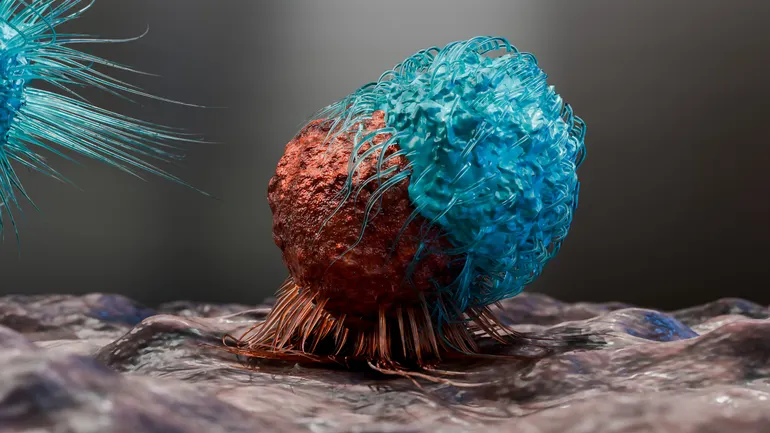
Novartis and Bristol Myers Squibb confirmed on Monday that they have paused several trials of their cell therapy programs for autoimmune diseases after observing inflammatory side effects in the studies. Novartis reported three cases of immune effector cell-associated hemophagocytic lymphohistiocytosis (IEC-HS), including a fatal outcome, while Bristol Myers Squibb proactively paused enrollment after monitoring transient, reversible inflammatory events. Both companies stated they are reviewing the data and communicating with regulators, while emphasizing confidence in their respective products. Analysts noted that rapid manufacturing processes may increase the risk of cell expansion and toxicity, but other factors could also be relevant.
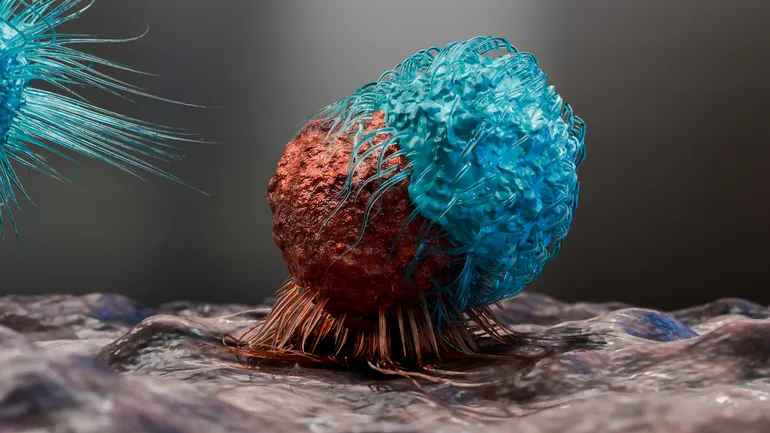
Novartis and Bristol Myers Squibb have paused multiple trials of their CAR-T therapies for autoimmune diseases after detecting inflammatory side effects. Novartis reported three cases of immune effector cell-associated hemophagocytic syndrome (IEC-HS) in its rap-cel program, leading to fatal outcomes, and initiated holds on Aug. 24. Bristol Myers paused enrollment in zola-cel trials after transient and reversible inflammatory events. Both companies are reviewing data and working with regulators. The therapies use technology to speed production, which may contribute to increased cell expansion and toxicities. Other biotechs are also testing CAR-T therapies for autoimmune conditions, and the impact on market adoption will be monitored.
The FDA has placed another clinical hold on Regenxbio's gene therapy RGX-121 after investigators detected likely benign masses on the MRIs of five participants treated three to six years ago for Hunter syndrome. The patients are asymptomatic and clinically stable, but the hold follows a January pause and a rejected application. Regenxbio no longer plans to file a near-term application, and shares fell over 25%. The company stresses no clinical or pathological evidence confirms the nature of the findings and is evaluating next steps with partner NS Pharma.
Ultragenyx received FDA approval for Glenglycos, the first gene therapy for glycogen storage disease type Ia. The one-time therapy, priced at $2.7 million per patient, aims to restore a missing enzyme and stabilize blood sugar. The approval comes with a priority review voucher Ultragenyx plans to sell, supporting its path to profitability by 2027. Analysts expect peak sales of $362 million. The company is also awaiting FDA action on UX111 and pivotal trial data for GTX-102.

PTC Therapeutics has agreed to acquire Sangamo Therapeutics' experimental gene therapy ST-920 for Fabry disease for up to $211 million. The deal, part of Sangamo's bankruptcy proceedings, gives PTC an advanced asset already in a rolling FDA submission. ST-920 delivers a functional copy of the GLA gene in a one-time infusion and has shown promising results. PTC plans to complete the application in Q4 and potentially launch the therapy in 2027. Analysts view the acquisition favorably due to the ongoing regulatory process and synergies with PTC's rare disease business, though risks remain around FDA's stance on gene therapies.

Gene-editing company Scribe Therapeutics, based at a former naval shipyard in California, is attempting to bring CRISPR technology to the masses. In an interview, CEO Benjamin Oakes explains its epigenetic silencing strategy, views on the competitive landscape, and why it opted for an IPO a year before clinical data is released.