


Latest news

A report from the Institute for Clinical and Economic Review (ICER) finds that two-thirds of new prescription drugs reviewed between 2022 and 2025 launched at prices exceeding its cost-effectiveness threshold. The median net price of new medicines rose from $190,000 in 2022 to $257,000 in 2025, with nearly a quarter of drugs evaluated last year priced above $500,000. ICER calls for fair pricing from drugmakers and streamlined access for patients, noting high rejection rates for prescriptions. The report highlights drugs like Brinsupri and Winrevair as having the largest price-value disconnects, while Journavx and Casgevy are priced within or near ICER's thresholds.

The article examines three oncology strategies attracting major pharma investment—PD-(L)1/VEGF bispecifics, B7-H3 antibody-drug conjugates, and in vivo CAR-T—and assesses the strength of clinical evidence for each. PD-(L)1/VEGF has strong but mixed data, including a phase 3 win for ivonescimab in China and a narrowly missed overall survival endpoint in a global trial. B7-H3 ADCs have two phase 3 survival wins in China, but shared payloads and limited geography leave questions. In vivo CAR-T has striking early data in just six patients, far behind the scale of deal-making. Experts caution that deals reflect price, not proof, and that the central question is what each approach has actually demonstrated in patients.

Disc Medicine's bitopertin succeeded in a Phase 3 trial for erythropoietic porphyria (EPP), meeting all primary and secondary endpoints. The drug reduced PPIX levels by about 46% versus 4% for placebo and increased pain-free light exposure by 12.2 hours. Disc plans to resubmit an FDA application by the end of the year, with a possible launch in 2027. The positive results follow a prior FDA rejection and could lead to the company's first drug approval.
Merck KGaA announced a $1.3 billion buyout of Silence Therapeutics, paying $20 per U.S.-listed share—a 130% premium—to acquire divesiran, an RNAi therapy that delivered positive Phase 2 data in polycythemia vera. Key shareholders holding 14% of voting power have agreed to the deal, expected to close in Q1 2027. Divesiran, which silences TMPRSS6 to raise hepcidin levels, could compete with Takeda and Protagonist Therapeutics' Mimrylo and older treatments like Jakafi. Analysts from Cantor Fitzgerald suggest divesiran may be best-in-class and could require fewer patients in Phase 3 than Mimrylo's trial. Merck KGaA CEO Kai Beckmann framed the deal as part of transforming the pipeline toward high-specialization areas, following last year's Springworks Therapeutics acquisition.
Merck KGaA announced a $1.3 billion buyout of Silence Therapeutics, paying $20 per U.S.-listed share at a 130% premium. The deal gives Merck KGaA access to divesiran, a short-interfering RNA therapy that has shown positive Phase 2 data in polycythemia vera and could be best-in-class, competing with Takeda and Protagonist's Mimrylo and older treatments like Jakafi. Key Silence shareholders representing 14% of voting power have agreed; the deal is expected to close in Q1 2027. CEO Kai Beckmann said the acquisition supports transforming the pipeline toward high-specialization areas, following last year's Springworks buyout. Analysts note divesiran's strong efficacy may reduce Phase 3 enrollment needs and execution risk.

Roche has entered a partnership with Hansoh Pharmaceutical Group potentially worth $15 billion, focusing on antibody-drug conjugates. Veradermics' experimental oral minoxidil drug succeeded in a second late-stage study for male pattern baldness. European regulators recommended approval of Revolution Medicines' pancreatic cancer drug Rasonque with tighter restrictions than the FDA. Nouscom raised $135 million in Series D financing for its cancer immunotherapy. OrbiMed raised nearly $3 billion across two funds for life sciences and healthcare investments. Ultragenyx sold a priority review voucher for $203 million.
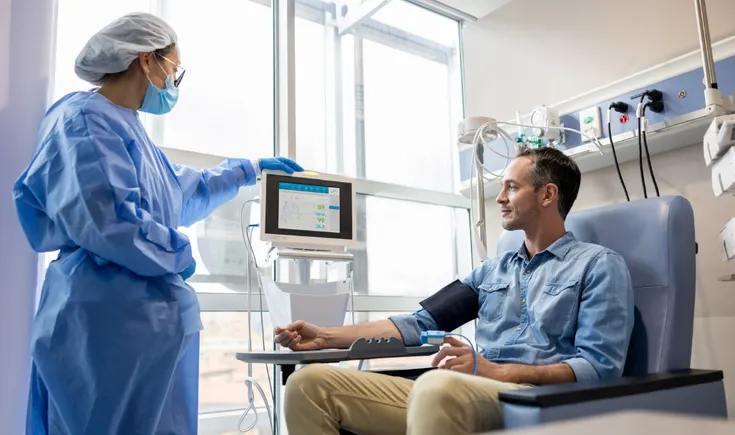
Bringing a therapy to clinic requires parallel clinical, nonclinical, regulatory, and CMC activities. While engaging a CDMO early can help teams understand technical requirements and timelines, committing to CMC decisions before supporting evidence is available can result in rework. A case study illustrates how an early formulation decision based on a preliminary target product profile had to be repeated after nonclinical studies showed a simpler approach was viable, delaying IND filing and trial start. The key is to engage early but keep certain decisions flexible, advancing drug substance development and fit-for-purpose clinical supply while allowing emerging data to inform later choices. The goal is to optimize the overall development plan, not CMC in isolation, through ongoing cross-functional communication.

BioPharma Dive's latest charts show Moderna's dramatic turnaround in 2026, with shares up more than 600% following positive Phase 3 results for intismeran autogene, a melanoma vaccine co-developed with Merck. The stock has far outpaced the XBI biotech index's 23% gain. Meanwhile, Roche has accelerated dealmaking with Chinese drugmakers, forming five alliances worth over $5 billion since late August, placing it ahead of other large pharma companies like GSK and AstraZeneca in China deal activity.

Estuary Biotherapeutics, a California-based genetic medicines developer, has officially launched with $93 million in Series A funding and backing from Biogen and other investors. Founded in 2022, the company is built on research from Yale scientists Stefan Somlo and Michael Caplan, who discovered that reactivating polycystin proteins can shrink kidney cysts and reverse inflammation and scarring in mice. Estuary's lead programs, EST-201 and EST-101, target the two main drivers of autosomal dominant polycystic kidney disease (ADPKD) and are expected to enter human testing in 2027 and 2028. The funding will support efforts to overcome delivery challenges for kidney gene therapy.
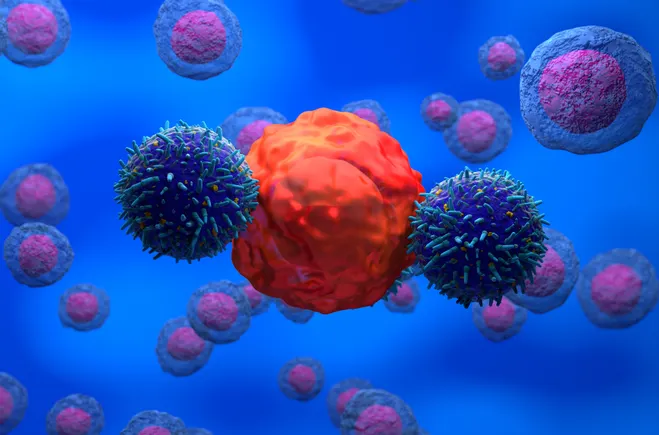
Lakefront Biotherapeutics, formerly Galapagos, has sold its cell therapy assets to Armed Cell Therapeutics, a new Belgian startup chaired by former Galapagos CEO Paul Stoffels. The deal includes two armed CAR-T therapies nearing human testing for non-Hodgkin lymphoma and small cell lung cancer, plus three confidential preclinical projects. Armed Cell is paying €8 million upfront with up to $230 million in future milestones. The sale revives research that Lakefront had decided to wind down after Stoffels announced his retirement. Armed Cell also named Willemijn Kremer, formerly Galapagos' VP of cell therapy corporate development, as CEO, succeeding Stoffels as interim CEO.