


Latest news
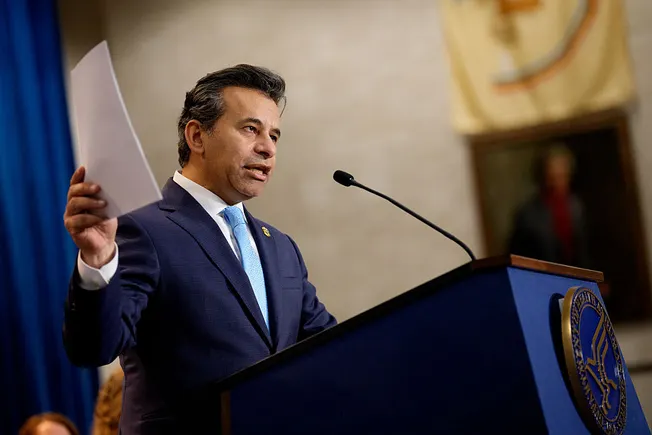
Since the US FDA approved the first biosimilar 11 years ago, it has cleared over 80 products. The new draft guidance released this week aims to lower testing thresholds in some cases and permit the use of reference drug data from outside the US, potentially cutting development costs by about half. This move is expected to alleviate high prices for biologic drugs, especially in oncology, though patent barriers and thin profit margins remain challenges.
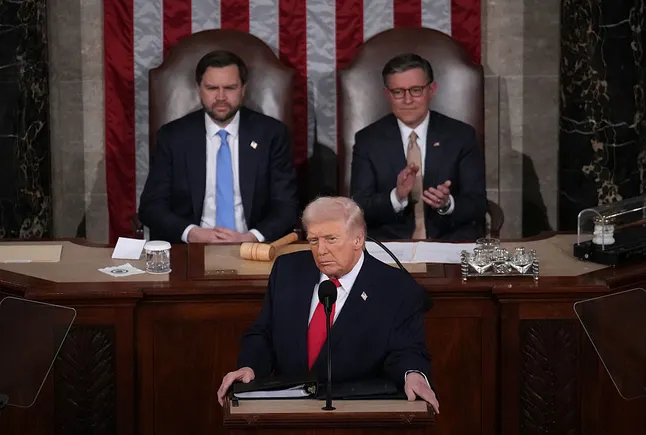
In his State of the Union address, President Trump spent only about five minutes on healthcare, criticizing the Affordable Care Act as a 'rip-off' and urging Congress to codify his 'Great Healthcare Plan' and 'Most Favored Nation' drug pricing deals. He also promoted TrumpRx, his direct-to-consumer drug platform. However, details on the healthcare plan remain vague, and experts note that the policies are unlikely to significantly reduce costs for most Americans. The president did not address other controversial healthcare issues such as vaccine access, research funding cuts, or Medicaid reductions.
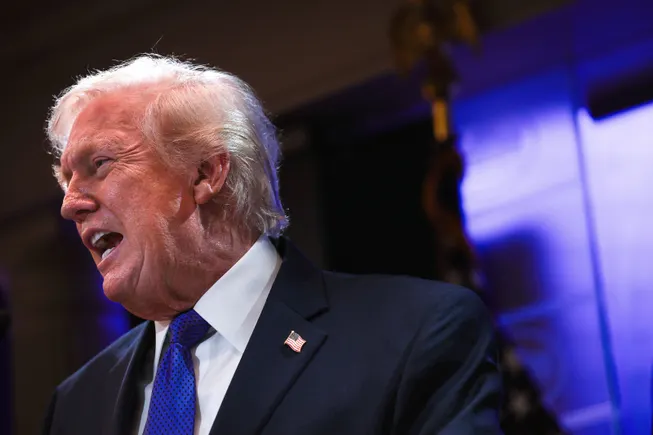
President Donald Trump on Friday signed a proclamation imposing a 10% surcharge on imports entering the U.S., effective Feb. 24 and lasting until July 24 unless extended by Congress, following the Supreme Court's rejection of his previous global levies under the International Emergency Economic Powers Act. The surcharge, authorized by Section 122, includes exemptions for critical minerals, pharmaceuticals, passenger vehicles, certain electronics, aerospace parts, and agricultural products, and does not stack on existing Section 232 tariffs. Trump indicated he might raise the rate to 15%, but no official documentation has been published. U.S. Trade Representative Jamieson Greer said Section 301 investigations into many trading partners would be initiated on an accelerated timeframe.
During a House Energy and Commerce subcommittee hearing on Wednesday, lawmakers from both parties decried high drug costs that lead patients to skip care. Democrats criticized Republican and Trump administration policies, including Medicaid cuts, NIH grant reductions, and the lapse of enhanced ACA subsidies, arguing they exacerbate affordability issues. They also questioned the effectiveness of the TrumpRx portal and warned that shifts in vaccine policy and research funding could hinder innovation. The hearing, the second in a series on healthcare costs, focused on the drug supply chain and featured testimony from industry trade groups. Lawmakers on both sides raised concerns about pharmacy benefit managers (PBMs), citing consolidation and opaque practices, while a PBM representative defended market competition.
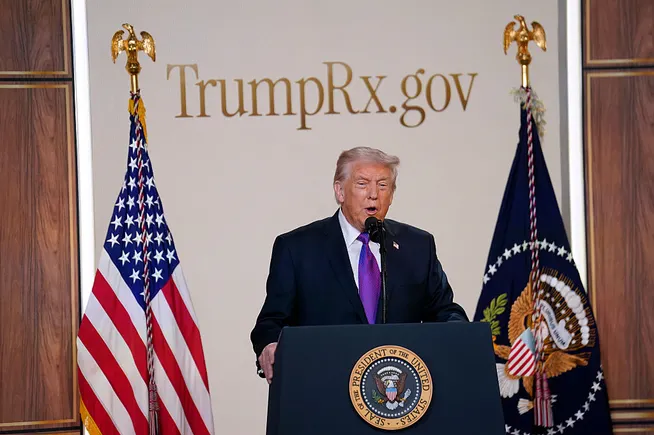
The Trump administration unveiled TrumpRx, an online portal allowing purchases of around 40 drugs from companies like Eli Lilly, Novo Nordisk, Pfizer, Merck, and AstraZeneca that have struck 'most favored nation' pricing deals. The platform offers medications such as Zepbound, Wegovy, and Ozempic, but will have little impact on the vast majority of Americans whose drugs are covered by insurance. Drugmakers gained a three-year reprieve from tariffs in return. Critics call it a 'glorified coupon book,' and the future of the pricing agreements remains uncertain pending a Supreme Court ruling on tariffs.

Even in dark times, biopharma investors and executives usually express optimism in January at the J.P. Morgan Healthcare Conference. In 2026, they have reason to feel hopeful: several sector health indicators turned positive in the second half of 2025, generalist investors returned, and investment banks predict the run will continue. However, sentiment could change quickly due to regulatory uncertainty, drug price reform threats, lackluster IPOs, competition from China, and shifting vaccine standards. The article poses five key questions for biopharma in 2026: Will biotech's recovery last? Will the dealmaking upswing continue? How will the U.S. respond to China's biotech ascent? Will the FDA tumult subside? How will vaccine policy change?


North Country HealthCare, a federally qualified health center serving rural Northern Arizona, sees AI scribes as a potential solution to clinician burnout but faces challenges in implementation. Experts note that safety-net providers often lack the financial resources, technical expertise, and IT infrastructure needed to adopt and monitor AI tools safely. With slim margins and workforce shortages, these providers risk falling further behind, exacerbating existing disparities. Some support programs exist, but scaling them remains a challenge.

Artificial intelligence is expected to reduce the burden on clinicians, but resource-poor safety-net medical institutions face multiple challenges in implementing AI, including technology, funding, and manpower, which may widen the digital divide in healthcare.
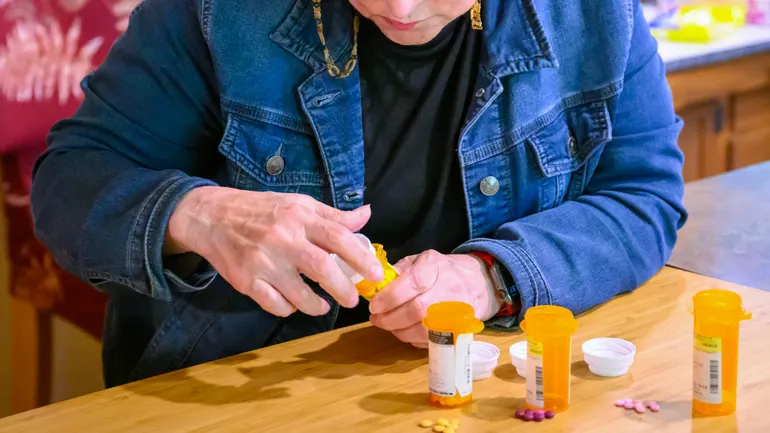
Cancer patients are living longer due to research breakthroughs, but their pain often goes untreated as drugmakers avoid pain research and healthcare system failures limit access to effective therapies. Patients like Mary Sage endure severe pain daily, relying on opioids despite side effects and stigma. Experts say new non-opioid drugs like Journavx are not designed for cancer pain, and systemic issues including shortages, insurance hurdles, and lack of specialists exacerbate the problem.