
Latest news
Affected by multiple factors such as the pandemic, geopolitical conflicts, inflation, and interest rate hikes, the IPO window for medical technology companies has narrowed sharply, with the number of applications in 2022 declining significantly year-over-year. Analytical institutions expect that the market is unlikely to recover in the short term, and companies may turn to alternative paths such as private financing, bridge loans, or mergers and acquisitions, while facing the dual challenges of valuation downgrades and a capital winter.


The biotech industry is undergoing a deep adjustment triggered by external macroeconomic factors. Although venture capital firms have ample ammunition, they are becoming more selective in the face of uncertain capital markets: requiring startups to strictly control budgets, delay listing plans, and seek partnerships or acquisitions earlier. Investment preferences are also shifting from expensive platform companies to lower-risk, more product-focused enterprises.

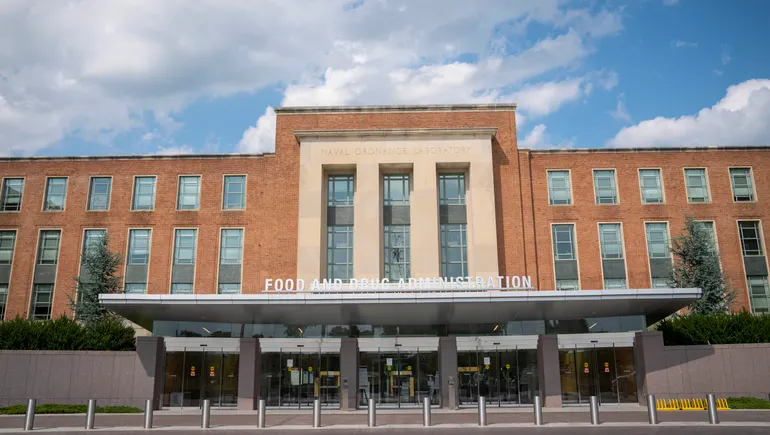
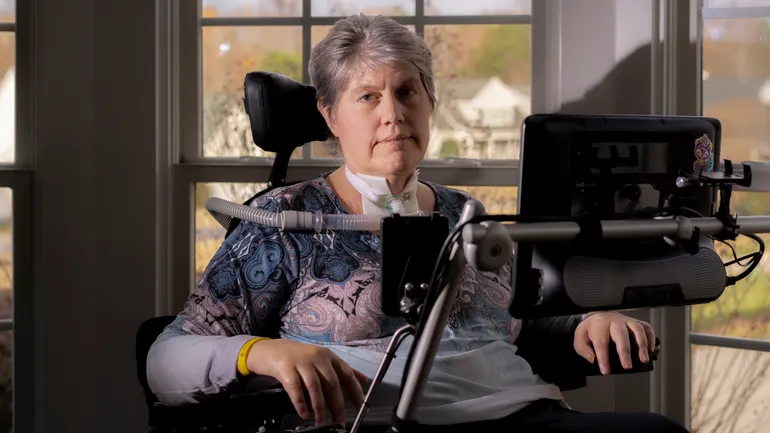
A decade ago, Brown University undergraduates Justin Klee and Josh Cohen conceived a drug idea without funding or a laboratory. Today, their company, Amylyx Pharmaceuticals, has brought this ALS candidate drug, AMX0035, to the FDA approval threshold. This Wednesday, an FDA advisory committee will vote on the sufficiency of the evidence. Although data show a slowdown in patients' functional decline and an extension of survival by about five to seven months, FDA scientists' review documents note that the evidence is 'not particularly compelling' and question assumptions in the trial analysis. Amid strong calls from the patient community and regulatory caution, the FDA faces a difficult decision, with a final ruling expected by June 29.
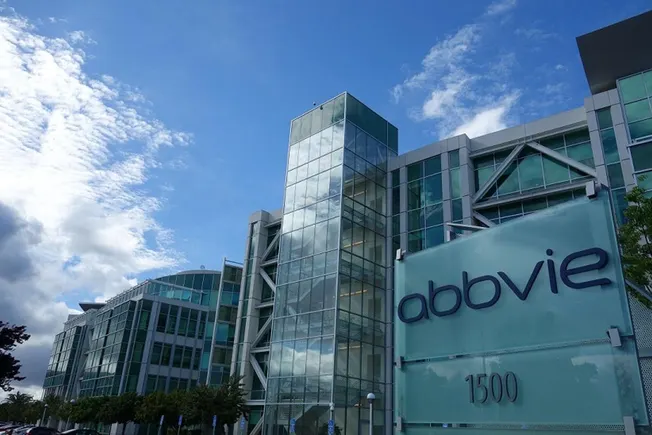
In January 2023, the first Humira biosimilar will enter the U.S. market, marking the end of AbbVie's two-decade market exclusivity period that generated nearly $20 billion in revenue. This article reviews Humira's patent barriers, competitive landscape, and industry impact.