


Latest news
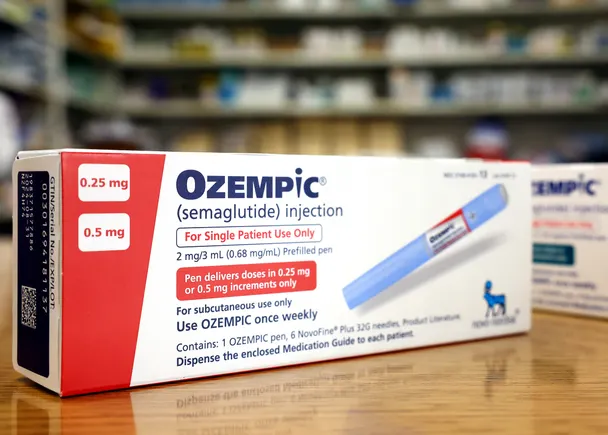
Eli Lilly’s triple-acting metabolic drug retatrutide outperformed Novo’s Ozempic in a Phase 3 diabetes trial, with the 12 mg dose lowering blood sugar by 2.2 percentage points versus 1.8 for Ozempic after 80 weeks. Retatrutide also produced greater weight loss (21% at highest dose vs. 9% for Ozempic), though discontinuation due to side effects was higher (8% vs. 3%). Analysts see retatrutide as a potential differentiated therapy and expect $15 billion in annual sales by 2032.
The FDA announced a draft guidance for personalized gene therapies that would let drugmakers gain approval for a therapy targeting one mutation, then later secure clearance for other mutations using lab data instead of new clinical trials. The plan, part of the agency's rare disease efforts, could change the economics of developing treatments for ultra-rare diseases. Analysts see a 'plug and play' option for gene editing companies like Prime Medicine and Beam Therapeutics, whose shares rose. CMS is also expanding a program for Medicaid access to cell and gene therapies.

Eli Lilly will combine its U.S. and international divisions into Lilly Global Markets, led by Ilya Yuffa, as Patrik Jonsson retires at the end of 2026. Novartis reported a $1.9 billion impairment charge related to del-desiran, an experimental drug acquired in its $12 billion Avidity Biosciences buyout, after a late-stage trial failure. Astellas obtained an option to license Audax Biosciences' DAX-044 for up to $1.05 billion in milestones. The FDA expanded approval of Pfizer's Talzenna with Xtandi for earlier use in metastatic prostate cancer. Prana Therapeutics will go public through a reverse merger with Bolt Biotherapeutics, backed by a $120 million private financing.

Ferring Pharmaceuticals has agreed to buy fertility treatment startup Gameto in a potentially $1.4 billion deal. The acquisition includes Fertilo, a stem cell-derived technology that aims to simplify and shorten IVF cycles by reducing the need for hormone injections. Fertilo is cleared in Australia and parts of Latin America, with Phase 3 trials underway in the U.S. Gameto is also developing Deovo and Ameno. The deal includes milestone payments and the companies will operate independently until closing.
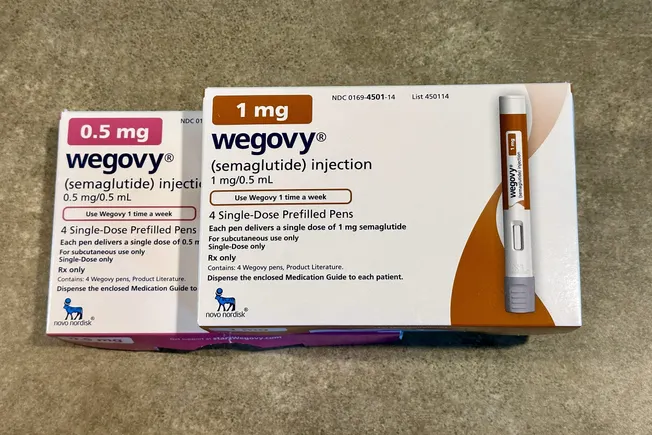
A federal judge denied Novo's motion to block Eli Lilly's advertising campaign comparing obesity drugs Wegovy and Zepbound. Novo argued the ads used outdated studies and caused irreparable harm, but the judge found no decline in Wegovy prescriptions during the campaign and noted the ads acknowledged higher-dose Wegovy. The ruling is not a final resolution of Novo's false advertising claims, according to a Novo spokesperson. The decision comes amid an intense commercial battle between the two companies in a market expected to exceed $100 billion by 2030.

Artiva Biotherapeutics will lay off most of its staff and stop developing its experimental natural killer cell therapy, AlloNK, for autoimmune conditions after reporting two patient deaths in a clinical trial. The company stated both deaths appear unrelated to AlloNK: one was linked to the chemotherapy fludarabine used in conditioning, and the other was a sudden death not attributed to the therapy or regimen. The FDA requested a pause in the Phase 2a trial, and Artiva also stopped enrollment and dosing in a Phase 3 trial. AlloNK's effects were not durable enough to support continued development. Artiva plans to lay off 94% of its staff, has hired a financial adviser for a strategic review, and held $319.1 million in cash as of September. The news follows setbacks for other cell therapies for autoimmune diseases from Novartis and Bristol Myers Squibb.

Corxel Pharmaceuticals, a drug startup developing weight loss medicines, announced Monday it will go public by merging with special purpose acquisition company Amanat Acquisition Corp. The deal includes a $300 million private investment that will help Corxel take CX11, a GLP-1 pill licensed from Vincentage Pharma, into late-stage testing. In June, Corxel reported that CX11 helped participants in a U.S. Phase 2 trial lose up to 11.5% of body weight after 36 weeks with favorable gastrointestinal tolerability. The combined company will also advance a preclinical amylin-targeting obesity prospect. A third drug licensed from Biogen for acute ischemic stroke is not part of the deal and will remain in a private parent entity. Corxel will name a new U.S.-based CEO in the coming months. The SPAC deal follows a $287 million Series D round less than a year ago, as investors sought a more dedicated focus on obesity. CX11 is positioned as a differentiated, next-generation therapy for people who may not stay on injectable GLP-1s, with a global Phase 3 trial potentially starting in the first quarter of 2027.
BioNTech and DualityBio announced that their antibody-drug conjugate trastuzumab pamirtecan met its primary goal in a Phase 3 study in HER2-low breast cancer, delaying tumor progression. However, the improvement was 'modest,' and the treatment was linked to higher rates of interstitial lung disease and severe or fatal events in a small proportion of patients. The trial was not long enough to show a clear survival benefit. Given the current treatment landscape, the companies suggest the potential benefit to patients would be limited and will discuss next steps. Trastuzumab pamirtecan is also being tested in endometrial cancer and advanced solid tumors. BioNTech obtained the drug through a 2023 licensing deal with DualityBio worth potentially over $1.6 billion.

BioPharma Dive summarizes three notable storylines from the European Society for Medical Oncology (ESMO) annual meeting. Moderna and Merck's personalized cancer vaccine intismeran autogene reduced recurrence or death risk by 42% in melanoma, but investor skepticism persists over its broader applicability and manufacturing. Roche's divarasib cut the risk of death or disease progression by 42% and death by 44% in KRAS G12C non-small cell lung cancer, outperforming Krazati and Lumakras, prompting Roche to raise peak sales estimates to 3 billion Swiss francs. Amgen's Imdelltra combined with Imfinzi reduced the risk of death by 58% versus Imfinzi alone in extensive-stage small cell lung cancer, with median overall survival of 21.1 months versus 12.7 months, potentially expanding its market opportunity to $9.6 billion.
Bristol Myers Squibb disclosed that a participant in a multiple sclerosis trial of its experimental CAR-T therapy zola-cel died 44 days after infusion following late-onset motor symptoms and septic pneumonia. The company said no other deaths occurred in its autoimmune trials but the news adds to safety concerns. Separately, the U.S. Treasury proposed rules adding biotech to technologies subject to greater federal scrutiny under the COINS Act, though cross-border drug licensing deals may not be significantly affected. Gilead agreed to pay nearly $1.3 billion for PepStar Therapeutics' experimental immune disease drug HCXT-2001, and Roche licensed Zymeworks' dual-acting antibody ZW209 for lung cancer in a deal worth up to $813 million.