


Latest news

Nine mid-sized drugmakers—Alcon, Astellas Pharma, BeOne Medicines, BridgeBio Pharma, CSL, Kyowa Kirin, Sun Pharma, Teva Pharmaceuticals and UCB—have agreed to participate in the Centers for Medicare and Medicaid Services' GENEROUS program, which links Medicaid prices to the lowest charges paid in other countries, while increasing U.S. manufacturing. In exchange, they are spared from tariffs under Section 232 of the Trade Expansion Act. Some companies also pledged to equalize future drug costs to 'most favored nation' prices and donate active pharmaceutical ingredients to a U.S. reserve. However, the deals don't apply to commercial insurance or Medicare, and Medicaid already pays steeply discounted prices, making the additional impact unclear. Analysts suggest the commercial impact may be minimal, with potential upside for shares as the threat of price controls appears to have abated.
Nine mid-sized pharmaceutical companies announced on Monday an agreement with the White House to participate in a Medicaid demonstration project, aligning prices for specific drugs with payment levels in other countries and increasing U.S. domestic manufacturing, in exchange for exemptions from Section 232 tariffs. Specific terms of the agreement were not disclosed. Analysts noted that, since Medicaid accounts for less than 2% of sales for the relevant companies, the commercial impact of the agreement may be limited.
Novartis announced on Tuesday that its oral BTK inhibitor remibrutinib met primary endpoints in two Phase III clinical trials for relapsing multiple sclerosis, significantly reducing annualized relapse rates and brain inflammatory lesions, with no liver safety concerns observed. Following this news, Novartis shares rose more than 4%.

Alumis's TYK2 inhibitor envudeucitinib missed primary and secondary endpoints in a Phase IIb study of systemic lupus erythematosus, but the high interferon gene signature subgroup showed a "robust" response. The company still plans to move forward and will discuss the Phase III trial path with regulators. Shares plunged nearly 55% after the announcement.
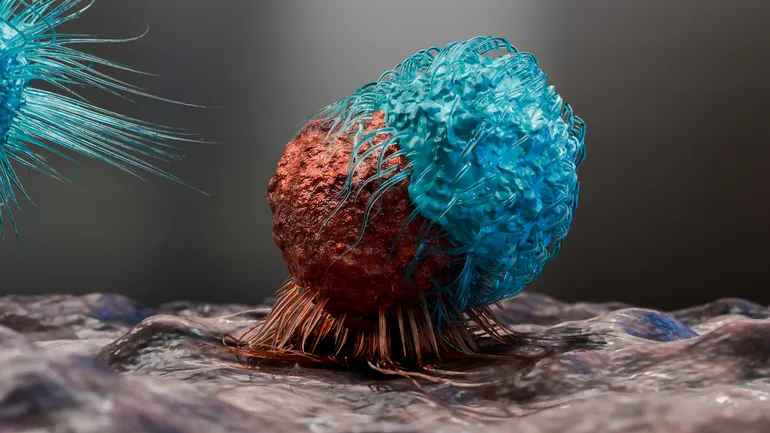
Novartis and Bristol Myers Squibb have paused multiple trials of their CAR-T therapies for autoimmune diseases after detecting inflammatory side effects. Novartis reported three cases of immune effector cell-associated hemophagocytic syndrome (IEC-HS) in its rap-cel program, leading to fatal outcomes, and initiated holds on Aug. 24. Bristol Myers paused enrollment in zola-cel trials after transient and reversible inflammatory events. Both companies are reviewing data and working with regulators. The therapies use technology to speed production, which may contribute to increased cell expansion and toxicities. Other biotechs are also testing CAR-T therapies for autoimmune conditions, and the impact on market adoption will be monitored.
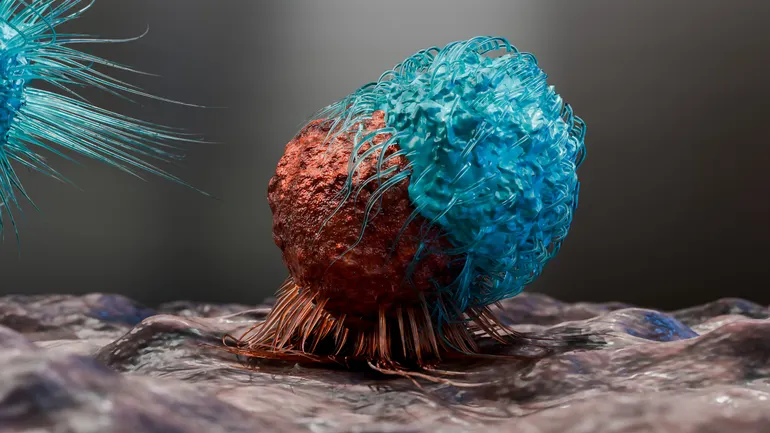
Novartis and Bristol Myers Squibb confirmed on Monday that they have paused several trials of their cell therapy programs for autoimmune diseases after observing inflammatory side effects in the studies. Novartis reported three cases of immune effector cell-associated hemophagocytic lymphohistiocytosis (IEC-HS), including a fatal outcome, while Bristol Myers Squibb proactively paused enrollment after monitoring transient, reversible inflammatory events. Both companies stated they are reviewing the data and communicating with regulators, while emphasizing confidence in their respective products. Analysts noted that rapid manufacturing processes may increase the risk of cell expansion and toxicity, but other factors could also be relevant.
The FDA has approved Mimrylo (rusfertide), developed by Takeda and Protagonist Therapeutics, for polycythemia vera, a rare blood cancer characterized by excess blood cells. Mimrylo is the first medicine of its kind, mimicking hepcidin to control iron levels and reduce red blood cell production. It is specifically cleared for erythrocytosis in adults and has a list price of $4,200 per vial. The approval includes a broader-than-expected label that does not require prior treatment with other drugs. In Phase 3 testing, about 77% of participants receiving Mimrylo did not need phlebotomies over 32 weeks, compared to 32.9% on placebo. Common adverse events included injection site reactions and anemia. Protagonist, which discovered the drug, licensed it to Takeda in 2024 for $300 million and will receive $275 million in payouts related to the approval, with eligibility for up to $875 million more plus royalties. The approval follows the recent clearance of Takeda's narcolepsy drug Orzeyful and precedes the expected approval of autoimmune treatment zasocitinib.
The U.S. FDA has approved Mimrylo (rusfertide), a first-in-class drug developed in collaboration between Takeda Pharmaceutical and Protagonist Therapeutics, for the treatment of erythrocytosis in adult patients with polycythemia vera. The drug mimics hepcidin activity to reduce red blood cell production, and a Phase III trial showed that 77% of patients did not require phlebotomy. Mimrylo is priced at $4,200 per vial, and its label does not restrict prior treatments; analysts expect peak annual sales to reach $2 billion.
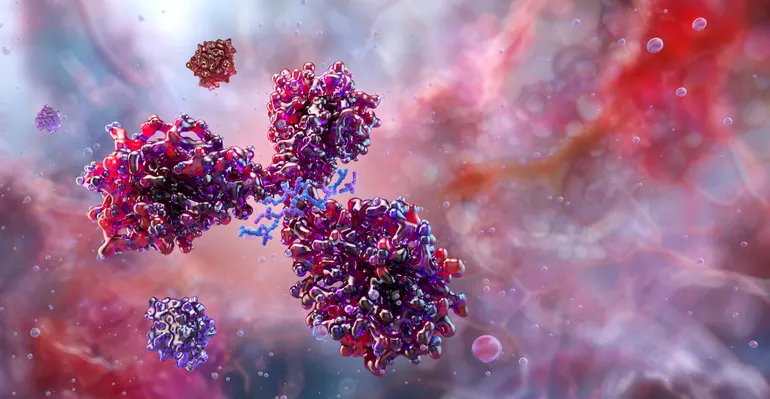
Eli Lilly announced on Monday the acquisition of privately held biotechnology company Merida Biosciences for nearly $2.9 billion in total, including milestone payments. Merida has developed technology that targets and eliminates abnormal antibodies involved in various autoimmune diseases. This acquisition is the 12th corporate deal announced by Eli Lilly since 2026 and its third transaction in the immunology field.